Last updated November 18, 2026





Free written scope consultation - allowances, timeline, and change-order rules on paper before a single trade is scheduled
Seasonal Construction Care for Winchester: Year-Round Homeowner’s Guide
The most expensive season for a Winchester home isn’t summer. It’s the stretch just after summer, when stucco, caulk, paver joints and window seals that swelled and shifted through months above 100°F start to pull back and crack, often before anyone thinks to walk the property and look. Most homeowners here run a spring-and-fall maintenance routine borrowed from milder climates, and it misses the two windows that actually matter: the weeks before the heat locks in and the weeks after it breaks. This guide lays out a genuine Winchester calendar, built around the desert’s real rhythm, so you know what to check, when to check it, and when a small repair needs a contractor before the busy spring schedule fills up.
Quick Answer
Seasonal construction care in Winchester means working around two hard markers, not four gentle seasons: prep the roof, caulk and penetrations before temperatures climb past 100°F, then inspect for heat-driven movement (stucco cracks, paver joints, window seals) as the heat peaks and again when it breaks. Winter here is mild but real, so pipe insulation, roof drain clearing and freeze-thaw checks on exterior tile and pavers belong on the calendar too. Sequence repairs so anything needing a contractor gets scheduled in fall or early winter, well before spring demand.
Styles & brands we work with
- Kitchen remodeling
- Bathroom remodeling
- Home additions & ADU
- Roofing
- Windows & doors
- Driveway & pavers
- Fence
Table of Contents
- Why Winchester Has Two Real Seasons, Not Four
- The Pre-Summer Checklist: Before the Heat Locks In
- Mid-Summer Inspections Unique to Desert Homes
- The Fall Reset: Catching Heat-Season Movement
- Winter Readiness in a Mild Desert Winter
- How to Sequence Annual Maintenance Around the Construction Calendar
- What You Can Check Yourself vs. What Needs a Contractor
- Common Mistakes to Avoid
- When to Call a Professional
- Frequently Asked Questions
Why Winchester Has Two Real Seasons, Not Four
Winchester doesn’t get four equal seasons. It gets a short, genuine winter with real overnight freezes, a long brutal stretch where daytime temperatures run above 100°F, and high-UV shoulder seasons on either side that quietly age exterior materials faster than most homeowners track. That imbalance is why a generic spring-and-fall checklist underperforms here. The heat window is so long that materials spend months expanding, and the transition out of it is when everything moves at once.
Think about what that does to a house. Stucco, sealant, window frames, paver sand and roof flashing all behave differently at 105°F than they do at 65°F. The materials aren’t failing because they’re cheap; they’re working through a wider temperature swing than most of the country puts them through. A home in Winchester that looks fine in April can show hairline stucco cracks by September, and those cracks let in the first cool-weather moisture if nobody catches them.
The practical takeaway is that your maintenance calendar should be built around heat, UV and the transitions in and out of both, not around the calendar page. We’ve watched this pattern enough to know the two critical inspection windows sit in late spring (before peak heat) and early fall (as heat releases). Get those right and most of the rest takes care of itself.
What the Winchester Climate Actually Stresses
- Roofing: prolonged UV breaks down asphalt shingle granules and ages sealant around flashing and vents faster than in cooler zones.
- Stucco and exterior caulk: repeated expansion and contraction opens hairline cracks and pulls joints at windows and penetrations.
- Pavers and hardscape: joint sand washes and shifts, and slab edges move through the temperature swing.
- Windows and doors: UV cycling degrades seals and weatherstripping, and heat can warp frames that weren’t rated for it.
- Plumbing and exterior tile: brief winter freezes put expansion pressure on exterior pipe runs and tile-set surfaces.
The Pre-Summer Checklist: Before the Heat Locks In
The single most valuable maintenance window in Winchester is the few weeks before temperatures routinely climb past 100°F. Anything you seal, fasten or clear now has a full season to prove itself before the heat peaks. Do it after the heat arrives and you’re working against trapped moisture and materials that are already moving.
Roofing tops the list. Have the roof inspected for lifted or missing shingles, worn flashing and cracked sealant around vents and penetrations. If your roof is nearing the end of its service life, spring is the right time to plan a replacement rather than discover a problem mid-summer, and material choice matters: a GAF Timberline or CertainTeed Landmark system, properly installed, holds up to the UV load here better than an entry-level shingle chosen purely on price.
Next, exterior caulk and penetrations. Every joint around windows, doors, hose bibs, dryer vents and HVAC line sets is a potential entry point for water and heat. Re-caulking with a product rated for high UV and temperature swing is cheap insurance. Don’t forget the HVAC penetrations specifically: gaps around refrigerant lines and condensate drains let hot air and pests in and can let monsoon-season water track down a wall.
Pre-Summer Steps at a Glance
- Inspect the roof for lifted shingles, flashing wear and cracked vent sealant; schedule repairs or a replacement assessment early.
- Re-caulk all exterior joints at windows, doors and penetrations with a high-UV sealant.
- Check HVAC line-set and condensate penetrations for gaps and seal them.
- Clear roof drains and scuppers so any summer storm water has a path off the roof.
- Walk paver and concrete flatwork for settled areas or missing joint sand and top off before the heat.
- Inspect window and door weatherstripping for UV cracking.
Mid-Summer Inspections Unique to Desert Homes
Once temperatures are running above 100°F, the job changes from prep to observation. This is the window when the heat exposes weaknesses: stucco cracks open, paver joints give way, and window seals that were fine in spring start to fog or fail. These checks are quick and mostly visual, and they catch problems while they’re still small.
Stucco is the first thing to look at. Walk the exterior walls and note any new hairline cracks, particularly around corners, window frames and where different materials meet. Small, stable hairline cracks are common in a desert climate and often cosmetic. Widening or lengthening cracks deserve a closer look, because they can indicate movement that’s more than surface. We don’t recommend climbing or probing high areas in extreme heat; look at what you can safely see from the ground and note the rest for a professional inspection.
Paver joint integrity matters as much. Polymeric or standard joint sand that’s washed or blown out lets pavers shift, and shifting pavers open gaps that collect water and weeds. Window seal failure from UV cycling shows up as fogging between panes or condensation that won’t clear; once a seal fails, the unit’s insulating performance is gone and replacement is usually the fix. Catching these mid-summer keeps a window replacement a small job instead of a wall-and-framing issue.
- Stucco: note new or widening cracks, especially at corners and material transitions.
- Pavers: check joint sand depth and any rocking or shifted units.
- Windows: look for fogging, persistent condensation or failed seals.
- Roof: glance for curled or lifted shingles from the ground; don’t walk a hot roof.
- Doors: check that exterior doors still latch and seal cleanly as frames move in the heat.
The Fall Reset: Catching Heat-Season Movement
This is the season most homeowners overlook, and it’s the one that costs the most when it’s missed. As temperatures drop out of the 100s, everything that expanded through the summer contracts. Caulk joints pull, slab expansion gaps widen, and stucco that looked stable in August may crack further. A thorough fall inspection catches all of it before the first cold snap and before winter moisture has a chance to work into fresh openings.
Start with caulk joints, because they’re the first to telegraph movement. Any joint that’s pulled, cracked or separated needs re-sealing now, while the weather is still workable. Then check slab expansion gaps around driveways, patios and walkways: gaps that have widened or filled with debris should be cleaned and re-sealed so water doesn’t sit against the slab edge through winter. Stucco cracks noted mid-summer should be re-checked; if they’ve grown, it’s time for a professional assessment rather than another tube of caulk.
Fall is also when you make the call on bigger projects. If your roof is aging, your windows are failing, or you’re planning exterior work, fall is the right time to get estimates and get on the schedule. Spring is the busiest construction season in Winchester, and the homeowners who book in fall get their work done first. This is where a single accountable contractor earns their keep: roofing, windows, doors, fencing and hardscape under one relationship means one schedule and one point of contact instead of four.
Fall Reset Checklist
- Re-inspect and re-seal all exterior caulk joints that pulled or cracked through the heat.
- Clean and re-seal slab expansion gaps at driveways, patios and walkways.
- Re-check mid-summer stucco cracks; escalate any that widened.
- Clear roof drains and gutters ahead of winter rain.
- Book spring-queued projects (roofing, windows, additions) with estimates now.
- Service the HVAC system and confirm exterior penetrations are sealed before cold weather.
Winter Readiness in a Mild Desert Winter
Winchester’s winter is short and mild, but it’s real, and overnight freezes do happen. The risk isn’t a deep freeze; it’s the brief freeze-thaw cycle that catches people off guard. Exterior plumbing, exposed pipe runs and tile-set surfaces on patios and walkways are the usual casualties. A little preparation in late fall prevents most of it.
Insulate exposed exterior pipe runs, including hose bibs and any plumbing in unheated garages or crawl spaces, and know where your main shutoff is in case a pipe does freeze. Clear roof drains and scuppers so winter rain drains instead of pooling at the roof edge or against the foundation. Then check exterior tile and pavers for freeze-thaw vulnerability: any loose tile, hollow-sounding paver or open joint is a spot where water gets in, freezes and pries the surface apart over a couple of winters.
Doors and windows deserve a winter check too. Heat-driven movement through summer can leave a door that no longer seals tightly, and that’s a draft and a water entry point in winter. If your exterior doors are aging, winter is a good time to plan replacement with a door rated for the temperature swing. If a loose tile or paver issue is more than a single unit, it’s worth having a professional look before the next freeze makes it worse. A paver or tile repair done right in winter is far cheaper than a spring rebuild.
How to Sequence Annual Maintenance Around the Construction Calendar
Here’s the part most guides skip: sequencing. It isn’t enough to know what to check; you have to time it so that anything needing a contractor gets caught early enough to book before the spring rush. In Winchester, spring is the busiest construction season, and good contractors fill their schedules. A repair you identify in March may wait weeks; the same repair identified in October gets scheduled immediately.
The sequencing principle is simple: inspections happen in fall, and contractor-needing repairs get estimated and booked in fall or early winter. That way the work is done before spring, or at least on the schedule before the queue builds. If you’re considering a larger project like an addition or an ADU, fall planning is even more important, because design and permitting take time. Prefab and modular ADU systems from brands like Abodu, Cover or Dvele move faster than a ground-up build, but they still need planning lead time. A traditional addition needs more.
Annual Sequencing at a Glance
- Late spring: prep work (caulk, roof inspection, penetration sealing) before the heat locks in.
- Mid-summer: observation only (stucco, pavers, window seals) while the heat exposes issues.
- Early fall: full inspection and re-seal as materials contract, the most important window of the year.
- Late fall: winterize (pipe insulation, roof drains, freeze-thaw checks).
- Winter: get estimates and book any contractor work before spring demand.
- Early spring: confirm your booked work and address any winter damage.
If you’d rather not manage all of that yourself, this is where one contractor handling multiple trades genuinely simplifies things. Roofing, windows, doors, fencing, hardscape and interior work under one relationship means a single inspection can flag across trades, and a single schedule handles it. You can see the full scope of what that covers on the Construction Winchester page.
What You Can Check Yourself vs. What Needs a Contractor
A lot of seasonal care is observation, and you can and should do that yourself. Walking the property, noting cracks, checking joint sand and looking for window fogging costs nothing and catches most issues early. Where it changes is the moment a repair involves height, structure, roofing, electrical or anything that could cause injury if it goes wrong. Roof work and any high-access inspection are genuinely dangerous in this climate, between the heat and the pitch of most roofs, and they belong with trained professionals.
The line to draw is between checking and fixing. Check what you can safely see from the ground. Fix what’s within reach and within your comfort. Hand off everything above that. A stucco crack you can reach and seal with a rated product is a reasonable homeowner task; a widening crack that suggests structural movement is not. A paver that’s settled a quarter inch is a top-off; a run of pavers that’s heaved or a slab edge that’s lifting is a professional repair.
- You can: walk the property, note cracks and shifting, check joint sand, look for window fogging, clear low gutters and drains.
- You can: re-caulk reachable joints, insulate exposed pipes, top off paver joint sand on flat, reachable areas.
- Call a professional: any roof inspection or repair, high-access work, widening stucco cracks, structural paver or slab issues, window and door replacement, and anything electrical or plumbing.
If you’re replacing windows or doors as part of the annual reset, high-performance window brands like PGT, CGI and ES Windows hold up to this climate’s UV and temperature swing better than builder-grade units. We’re authorized to supply and install from a broad roster of manufacturers, so you choose the product and we handle the build. That breadth matters more in a place like Winchester than it does in a mild climate, because the wrong product fails faster here.
Common Mistakes to Avoid
- Running a spring-and-fall checklist from a cooler climate. It misses the pre-heat prep window and the post-heat inspection window that actually matter in Winchester, and it assumes a winter that doesn’t match the desert’s real cold snaps.
- Waiting until spring to book contractor work. Spring is the busiest season in Winchester, and the repairs you identify then may wait weeks. Fall booking is the fix.
- Ignoring mid-summer stucco cracks because they look cosmetic. Most hairline cracks are cosmetic, but a widening crack is a signal to look closer, and skipping it lets a small issue become a repair.
- Re-caulking with a product not rated for high UV and temperature swing. It fails within a season here, and you’re back where you started. Use a product made for the load.
- Assuming a mild winter means no freeze risk. Brief overnight freezes still hit exterior pipes and tile, and freeze-thaw is what pries loose pavers and tile apart over time.
- Walking a hot roof to “check it yourself.” Roof inspection is genuine height work and dangerous in extreme heat. Note what you can see from the ground and hand off the rest.
- Skipping the fall slab-gap check. Widened expansion gaps collect water and debris, and over a couple of winters that means movement and cracking at the slab edge.
When to Call a Professional
Call a professional when a repair involves height, structure or systems you shouldn’t be working on: any roof inspection or repair, high-access work, widening stucco cracks, heaving pavers or lifting slab edges, window and door replacement, and anything electrical or plumbing. Also call when the scope crosses trades, because that’s where a single contractor saves real time. If you’re planning exterior work, a full replacement, or a larger project like an addition or an ADU, fall is the time to start the conversation. If you’re weighing a fence or hardscape project as part of the annual reset, the fence installation page and the driveway & pavers page walk through what each involves. Construction Winchester offers free estimates in Winchester. Call (888) 345-2603. We answer 24/7. Fast dispatch from 7am to 7pm, Sunday through Friday.
Frequently Asked Questions
Early fall is the single most valuable inspection window, because that’s when materials that expanded through the heat contract and crack, exposing issues before winter. The late-spring pre-heat prep is the second-most important window. Between the two, you catch nearly everything that matters.
Check caulk and stucco at least twice a year: once before the heat locks in and once as it breaks in fall. In a high-UV, high-temperature-swing climate, caulk fails faster than in milder zones, and a twice-yearly look keeps small cracks from becoming repairs. Call (888) 345-2603 for a free estimate if a crack has widened.
No. Overnight freezes are real here, and brief freeze-thaw cycles are what damage exterior pipes, tile and pavers over time. Insulating exposed pipes, clearing roof drains and checking exterior tile and pavers for freeze-thaw vulnerability are quick, cheap steps that prevent expensive spring repairs.
UV cycling and the wide temperature swing are the main reasons. Pavers move and lose joint sand through heat expansion, and window seals degrade under prolonged UV exposure. Choosing products rated for the load, like a high-performance window line, and staying on top of joint sand extends their life.
You can handle observation and reachable fixes: walking the property, noting cracks, topping off joint sand, re-caulking what you can safely reach. Roofing, high-access work, structural paver or slab issues, and window or door replacement need a professional, partly because of the height and the heat risk.
Book in fall or early winter for work you want done in spring, because spring is the busiest construction season and good contractors fill up. Fall planning matters even more for larger projects like additions and ADUs, since design and permitting take time. Call (888) 345-2603 to get on the schedule.
The Bottom Line
Seasonal care in Winchester isn’t a four-season routine; it’s a heat-first calendar. Prep roof, caulk and penetrations before 100°F, observe stucco, pavers and window seals mid-summer, do your real inspection in early fall as the heat breaks, and winterize the brief-but-real freeze risk. The homeowners who come out ahead are the ones who catch contractor-needing repairs in fall and book them before spring demand builds. From the driveway to the roofline, one contractor handling the full scope means fewer calls and one schedule. Call (888) 345-2603 for a free estimate. We answer 24/7. Fast dispatch from 7am to 7pm, Sunday through Friday.
Written by the team at Construction Winchester.
See the difference
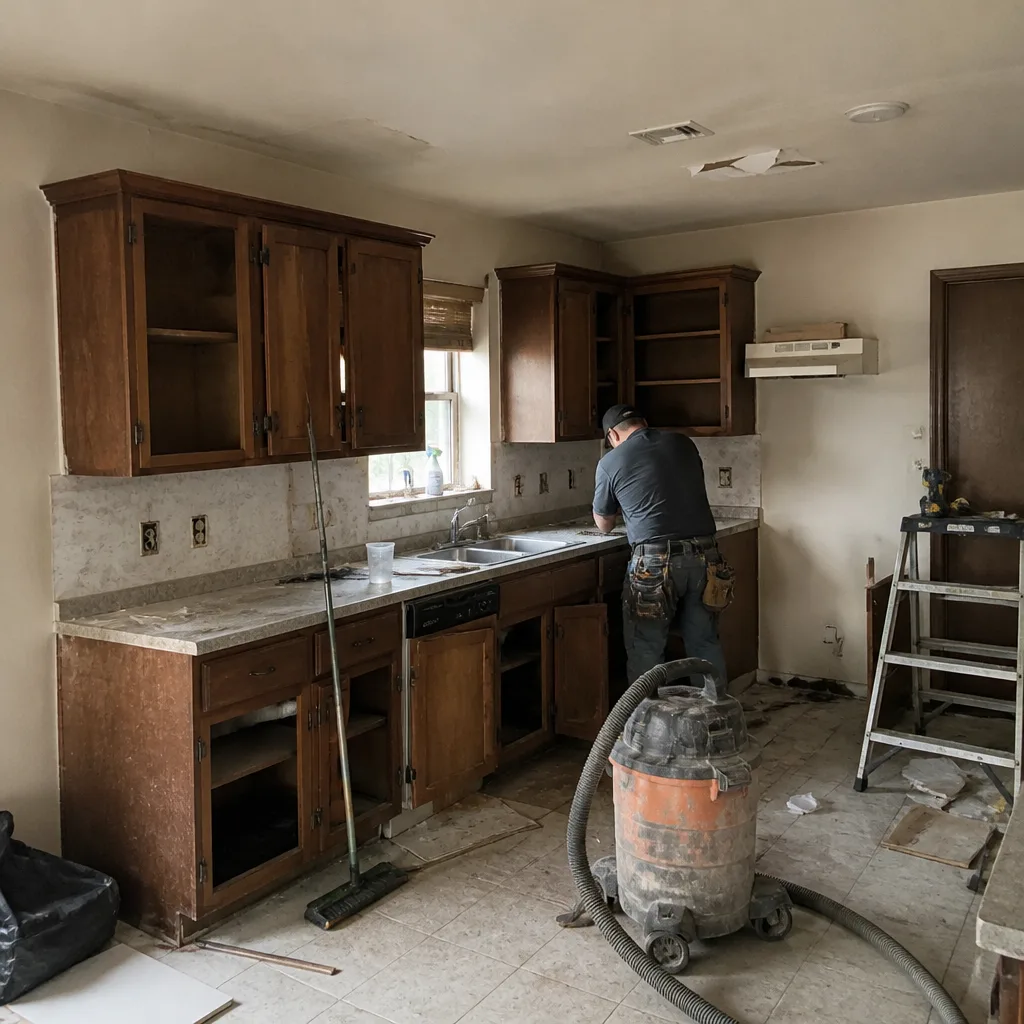 Before
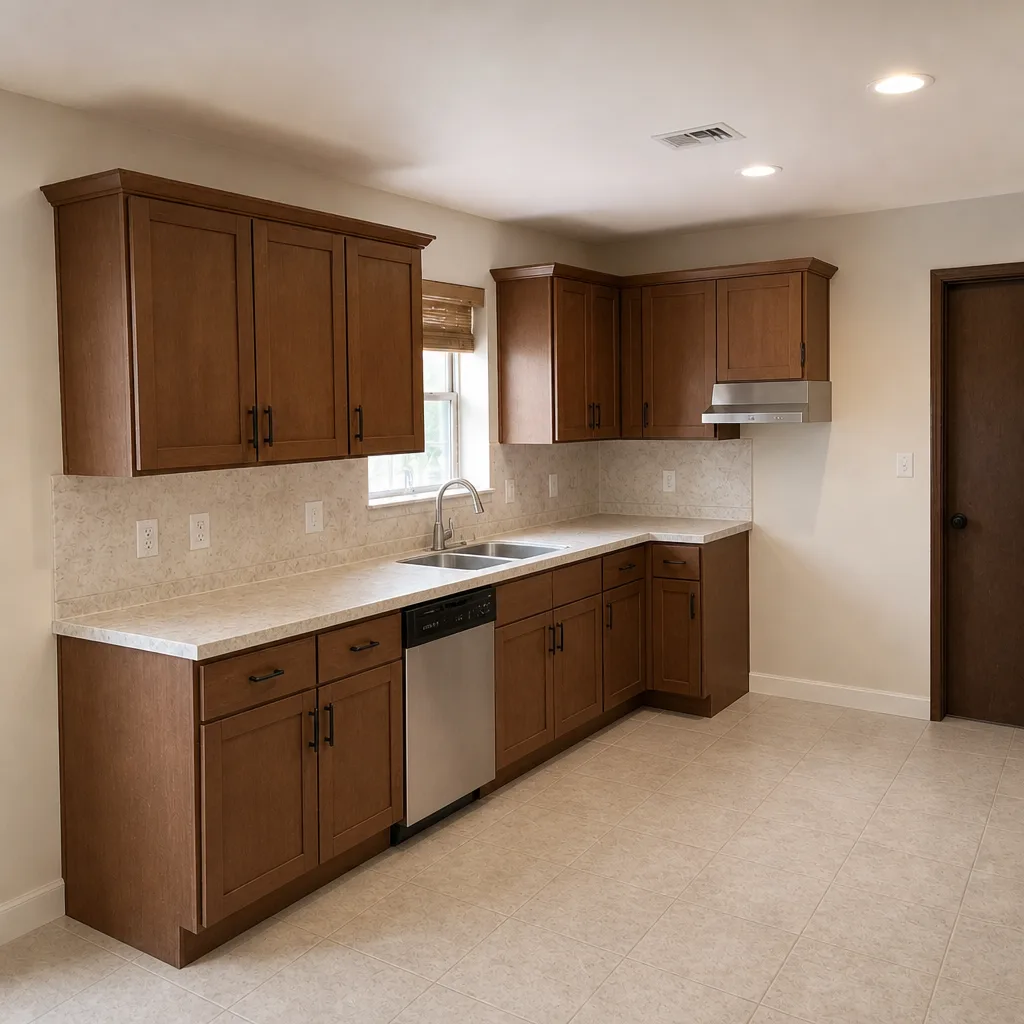 After
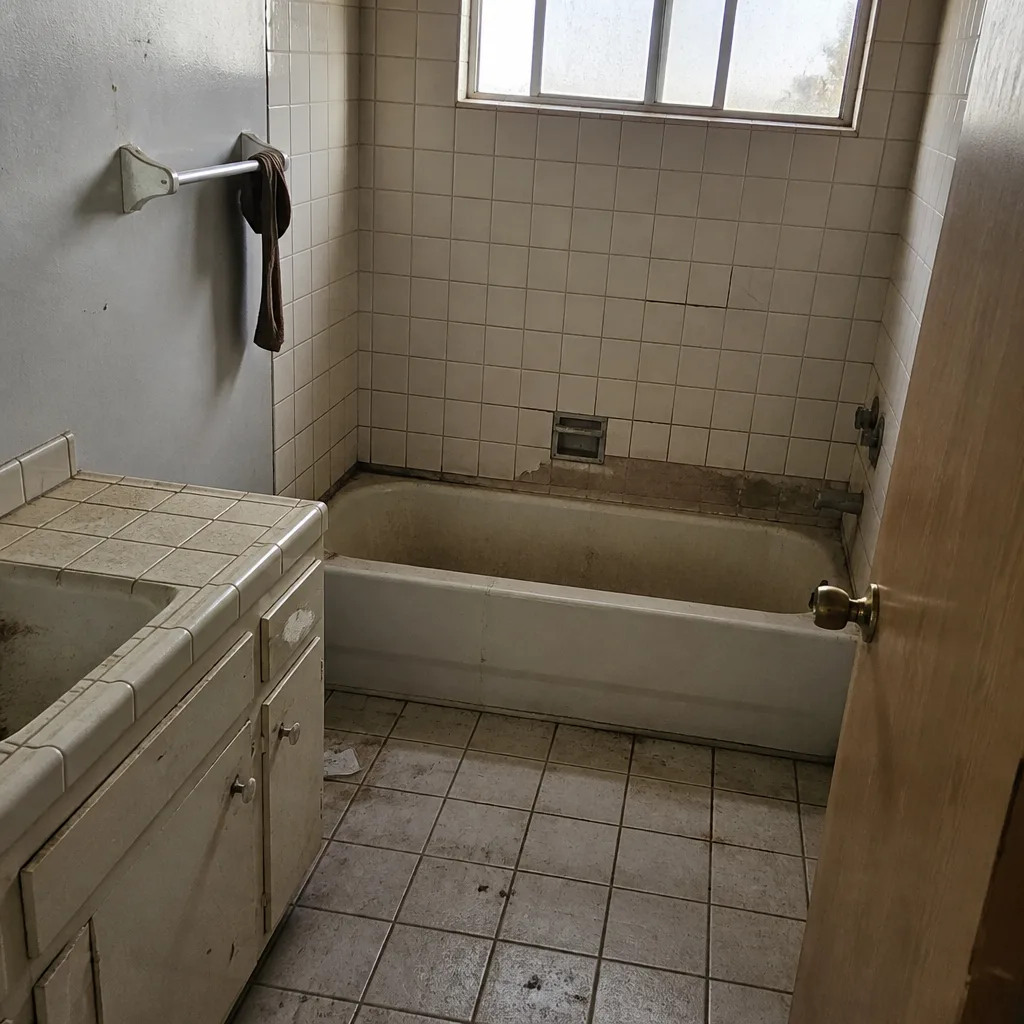 Before
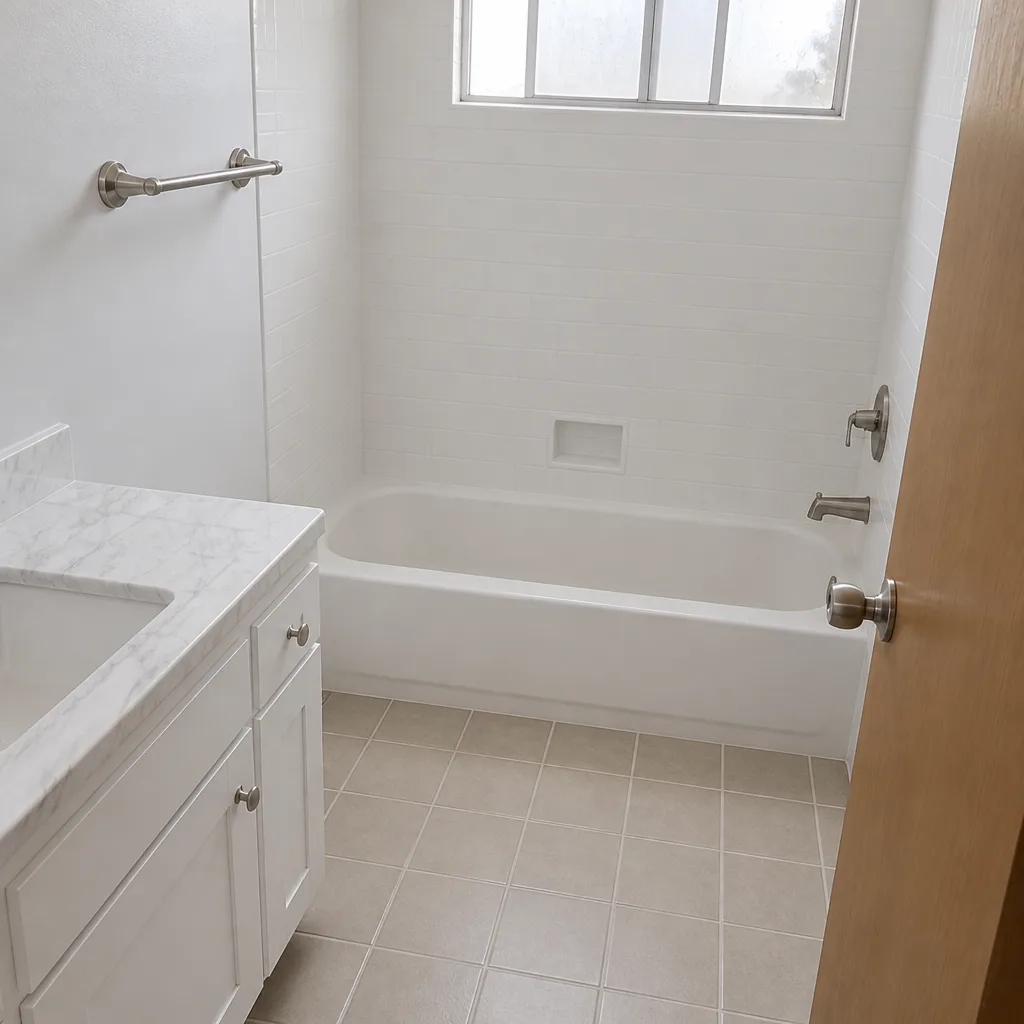 After
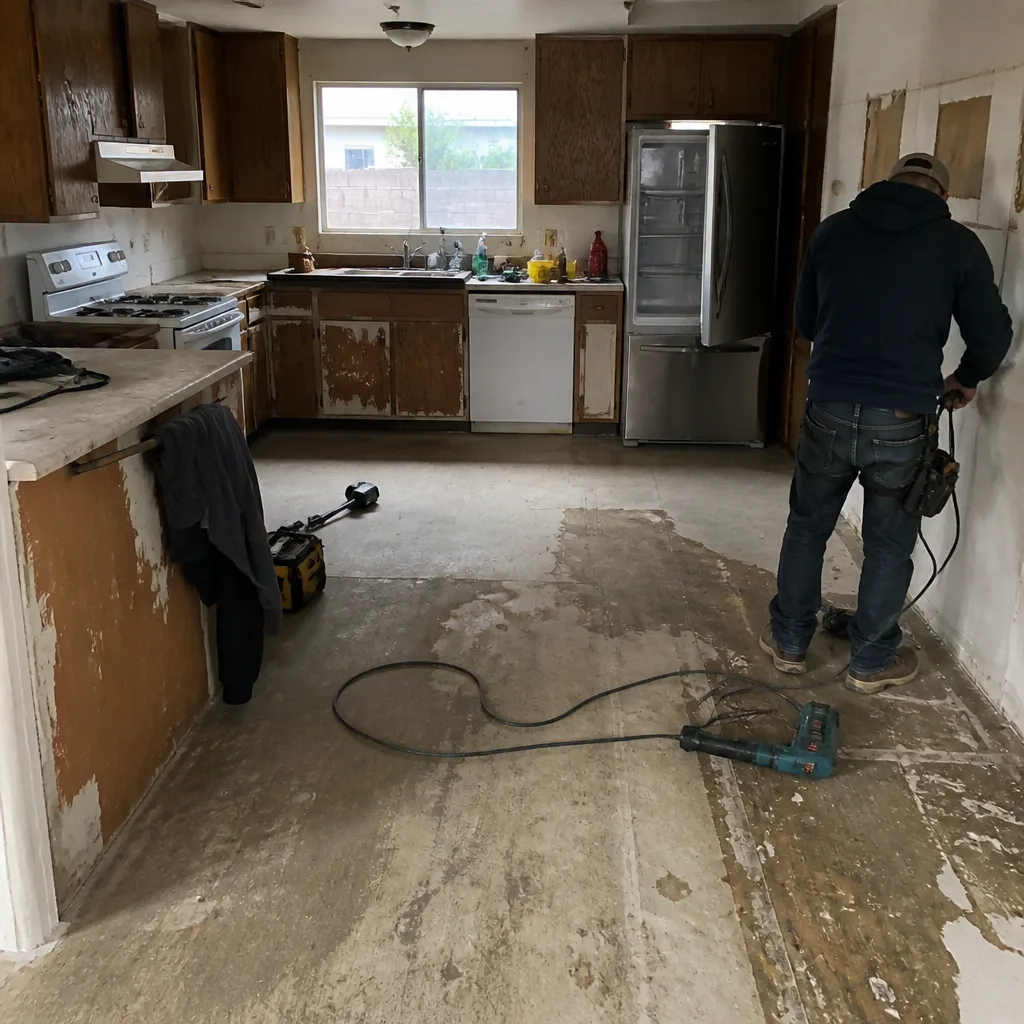 Before
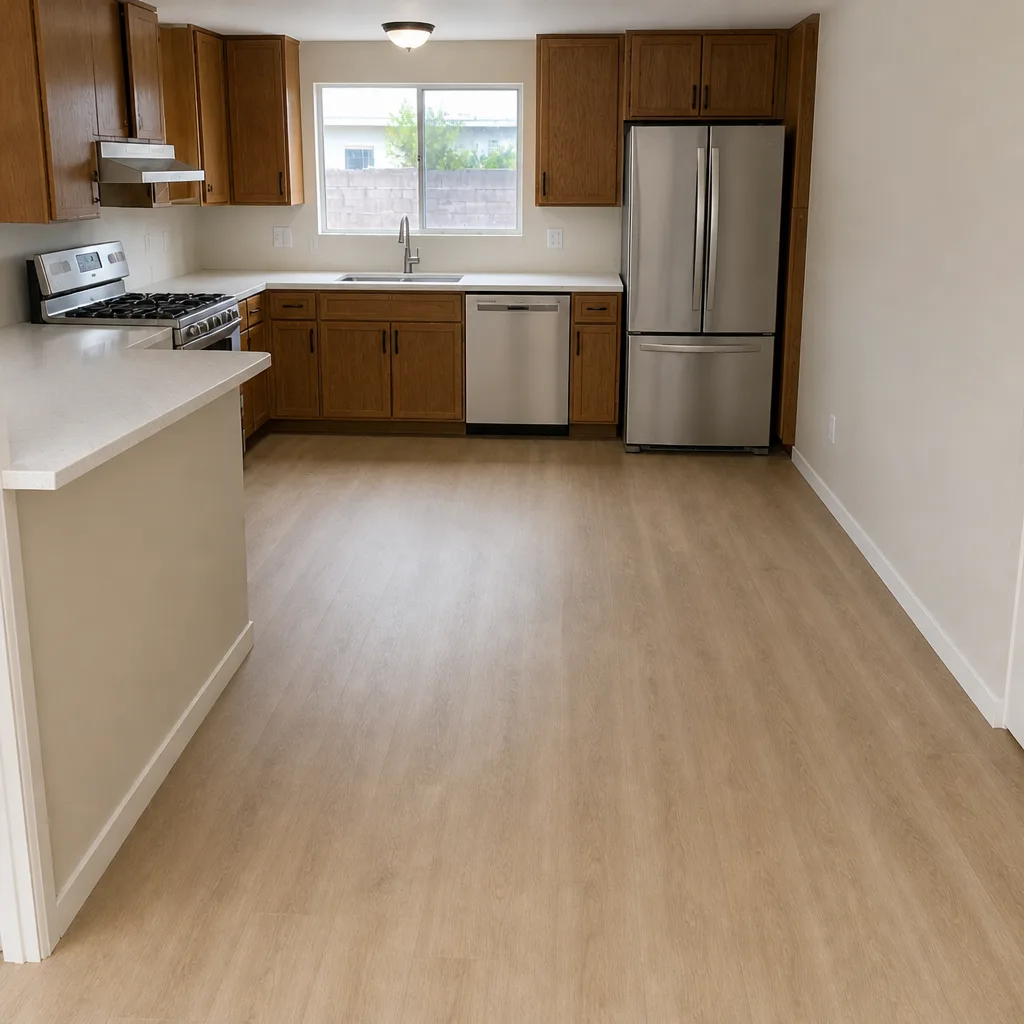 After