
Last updated November 18, 2026






Free written scope consultation - allowances, timeline, and change-order rules on paper before a single trade is scheduled
How to Hire a Construction Contractor in Winchester: A Step-by-Step Guide
Most homeowners think the hard part of hiring a contractor is finding one. It isn’t. In Winchester, plenty of people can swing a hammer and plenty of companies can hand you a bid on nice paper. The hard part is filtering for the right Nevada license class, active Clark County compliance, and a builder who won’t quietly hand your project to unvetted subs the week after you sign. Nevada runs one of the most detailed contractor licensing structures in the country, and hiring the wrong license class for your job can void your permits and complicate an insurance claim. This guide walks you through that filter, step by step, so you know exactly what to verify before a single permit is pulled.
Quick Answer
To hire a construction contractor in Winchester, verify the contractor’s license class and status on the Nevada State Contractors Board database, confirm the license matches your project scope, get a written contract with a clear change-order process and payment schedule, and ask for lien waivers as work progresses. Choose a contractor whose license covers your full scope so you’re not coordinating multiple specialty subs yourself.
Styles & brands we work with
- Kitchen remodeling
- Bathroom remodeling
- Home additions & ADU
- Roofing
- Windows & doors
- Driveway & pavers
- Fence
Table of Contents
- Why Hiring in Winchester Is Different From Hiring Anywhere Else
- Step 1: Verify the Nevada Contractor License on the NSCB Database
- What Nevada License Classes Actually Mean for Your Project
- The Contract Clauses That Separate Professionals From Operators
- Las Vegas Metro Red Flags: Bids, Subs, and Boom-Era Crews
- Why a Single Full-Scope Contractor Lowers Your Risk
- Three Questions to Ask Before You Sign
- Permits and Inspections: Who Actually Pulls Them?
Why Hiring in Winchester Is Different From Hiring Anywhere Else
Winchester sits inside Clark County, which means every contractor working here answers to a state licensing board and a county building department at the same time. That dual layer is good for homeowners, but only if you know how to use it. Nevada’s licensing structure is more granular than most states: it splits contractors into classifications by the type of work and the dollar value of the project, and a contractor licensed for one scope is not automatically licensed for another.
The local market adds a second wrinkle. The Las Vegas metro, Winchester included, has absorbed several construction booms over the years. Booms pull in out-of-state crews, some legitimate and some simply licensed somewhere else and working here on a handshake. A roofing bid from a company whose license is registered in another state, or a kitchen remodel priced by someone who can’t produce a Nevada license number, is a problem you want to catch before work starts, not after.
Homeowners in Winchester also deal with the local building stock. A lot of the housing was built in waves, and remodels often mean opening walls that were closed decades ago, tying new work into older framing, or updating envelope systems on homes that were never designed for today’s window and roofing standards. That reality favors contractors who can handle structural work, envelope work, and interior remodeling without handing you off to three different companies. When you hire for a whole project under one accountable contractor, you also avoid the scheduling gaps that come from coordinating trades yourself. You can see how that plays out across our Construction Winchester services.
Step 1: Verify the Nevada Contractor License on the NSCB Database
Start every contractor search with the Nevada State Contractors Board (NSCB) database. It’s a public lookup, it’s free, and it will tell you in a few minutes whether the license on the business card is real, active, and classified for your project. Do this before you take a bid seriously, not after.
Here’s the sequence we recommend:
- Ask for the license number in writing. A legitimate contractor gives it without hesitation. If you get a “I’ll get back to you on that,” move on.
- Look up the number on the NSCB database. Confirm the status reads active and the business name matches the name on your bid.
- Check the license classification. Confirm the class covers the work you’re hiring for, not a neighboring scope.
- Confirm the expiration date. A license that lapses mid-project is your problem, not theirs.
- Look for any disciplinary history or complaints. The board record is the honest version of the company, not the brochure version.
- Ask for proof of insurance. Confirm current general liability coverage and workers’ compensation, and call the insurer if anything looks off.
In our experience, contractors who know the NSCB process will often walk you through it unprompted. They’ve been through the verification before, they expect it, and it doesn’t rattle them. When a contractor gets defensive about a license lookup, that’s information. Treat it as one of the clearest red flags in the hiring process.
What Nevada License Classes Actually Mean for Your Project
Nevada separates contractor licensing into classes that cover different scopes and project values, and the classification you need depends entirely on the work. A license class that covers a general building project is not the same class that covers a specialty trade like roofing or a limited-scope finish trade like painting. Hiring a specialty contractor for a project that requires a general class is a real problem: the specialty license may not cover the permit, and the cost and timeline can blow up.
Here’s the practical version:
- General building work and multi-trade projects. A remodeling project that combines structural changes, plumbing, electrical, finish work, and envelope work under one contract typically needs a class that covers that full scope. A single specialty license won’t cover it.
- Specialty trade licenses. Roofing, fencing, and similar single-trade scopes are often handled under specialty classifications. These make sense for narrow work but not for projects that touch multiple systems.
- Project dollar thresholds. Nevada classifications also tie to project value, so a contractor licensed for smaller jobs may not be licensed to bid the value of yours.
- Scope of a license vs. scope of a bid. A bid can promise more than the license covers. The license is the actual boundary.
The safest rule is simple: match the license class to the full scope of your project before you sign anything. If your project touches multiple categories, that rule means hiring a contractor whose license supports the whole job, not a company whose license covers one slice of it. If you’re planning work that spans home additions & ADU scopes, confirm the contractor’s license and permitting track record on structural work specifically, because that’s where the classification matters most.
The Contract Clauses That Separate Professionals From Operators
The contract tells you more about how a project will go than any conversation does. We’ve read through enough of them to know which clauses keep homeowners protected and which ones quietly shift risk onto you. Before you sign, read for these specific items.
Change-order procedure. Any professional contract names the exact process for changing work once construction starts: who writes it, who signs it, and how the price and timeline adjust. If the contract has no change-order language, every surprise is a negotiation on the fly.
Payment schedule tied to milestones. Payments should follow progress, not calendar dates. A reasonable schedule doesn’t ask for full payment up front and doesn’t front-load large sums before substantial work is on the ground. Each payment should be tied to a specific, verifiable milestone.
Lien waivers. This is the clause most homeowners overlook and later regret. Subcontractors and suppliers can file a lien against your property if they aren’t paid by the general contractor, even if you paid the general contractor in full. A professional contract includes conditional and unconditional lien waivers tied to each payment, so you can prove subs and suppliers were paid as work progressed.
Written scope and schedule. The contract should name the materials, the brands, and the timeline in writing. “Quality materials” isn’t a scope. “GAF Timberline or CertainTeed Landmark, depending on your selection,” is. Same for cabinet lines, countertop materials, and fixtures. If your contract doesn’t name what’s going in, you don’t yet know what you’re paying for.
Permit responsibility. The contract should state clearly who pulls permits and how inspections are scheduled. If the answer is vague, the permit is often the first thing to slip.
These clauses are the difference between a professional builder and an operator who’s running on a handshake and a hope. Read for them, ask about them, and don’t sign until they’re in writing.
Las Vegas Metro Red Flags: Bids, Subs, and Boom-Era Crews
Winchester sits inside the Las Vegas metro market, which has specific patterns that reward homeowners who know what to watch for. The local market swings with the broader construction cycle, and that creates a handful of warning signs that come up here again and again.
Out-of-state crews during boom periods. When the local market heats up, crews arrive from out of state to chase work. Some are excellent and properly licensed. Some are working on a license registered elsewhere or a borrowed license. Verify the Nevada license specifically, not just “licensed and insured” on a business card.
Bids 30% or more below the rest. This is the single most reliable red flag in Winchester. A bid that comes in a third below every other bid didn’t materialize because someone found a secret discount on materials. It usually shows up later as a change order, a cheaper substitution, or work that never gets done. Multiple bids clustered near each other are a sign of a real market price. One outlier is a sign of a problem you haven’t seen yet.
Vague subcontractor language. Read what the contract says about subs. “Standard subcontracting practices” tells you nothing. Ask directly: who will be in my home, are they licensed, and who is accountable for their work? If the answer is “we have guys,” that’s a subcontracting question you should push hard on. The contractor who can name their process for qualifying subs is the contractor who owns the outcome.
No physical or verifiable review trail. Boom markets move fast and attract operators who build a website in a weekend. Ask for project references in Winchester or nearby Clark County communities and follow up on them. If the references are all out of state or can’t be reached, that’s a sign.
Down payments that exceed the work. Large upfront payments are a boom-market warning sign. A professional contract keeps the payment schedule close to actual progress.
Why a Single Full-Scope Contractor Lowers Your Risk
Every contractor you bring into a project multiplies the number of contracts, schedules, and liability lines you have to manage. A full kitchen remodel touches cabinets, countertops, plumbing, electrical, drywall, tile, and finish work. A roofing project touches roofing, ventilation, and sometimes envelope details. A driveway or paver project touches grading, base material, drainage, and hardscape. A fence project touches post footings, materials, and sometimes coordination with neighboring properties.
When you hire each specialty separately, you become the general contractor whether you wanted the role or not. You’re the one pulling the schedule, chasing each trade, and taking the blame when one contractor’s delay cascades into another’s work. That’s a full-time job on a mid-size remodel. And when something goes wrong, you’re the one trying to figure out which of the three contractors on the job was actually responsible for the defect.
A single full-scope contractor flips that structure:
- One contract, one accountable party. There’s no “the plumber’s fault” argument when the plumber works for the same company as the tile setter.
- One permit track. Permits and inspections are pulled under one license and one schedule.
- One change-order process. A change in scope happens once, not three times across three contracts.
- One schedule to hold. Trade sequencing runs through one project manager, not three phones.
- One warranty line. Workmanship accountability doesn’t get divided across vendors.
In Winchester, that consolidation also matters for envelope work. Homes here deal with heat and sun exposure that wear on roofing, windows, and door seals over time. When the same contractor handles the roofing and the windows, the tie-in details actually get designed together instead of mismatched. That’s one of the reasons we offer the full range of exterior work – from driveway & pavers to fence installation to the envelope – under one relationship. One contractor, every phase.
Three Questions to Ask Before You Sign
These three questions surface whether a contractor has actually built in Clark County’s regulatory environment or is guessing at it. Ask them in person and watch how the answer comes back.
1. “Have you pulled permits for this exact scope in Clark County in the last year?” A contractor who’s been through the local building department recently can describe the submittal process, the typical inspection sequence, and the specific requirements for your project type. A vague answer or a “we handle all that” deflection tells you the project will be their first pass through a process you’re paying for.
2. “Which Nevada license classification covers my whole project, and can you show me it’s current?” The answer should come without a pause and the license number should be right there. If the contractor can’t map their license to your scope, that’s a project that can’t be safely bid under their license.
3. “If I need a change mid-project, what does the process look like in writing?” The answer should describe a specific change-order procedure with written sign-off, adjusted price, and adjusted timeline. Contractors who’ve run real projects have a process. Operators improvise, and improvisation on change orders is how budgets disappear.
A contractor who answers all three cleanly has done the work of building a real business around the local rules. That matters more than any photo gallery or marketing claim, and it’s the difference between a project that moves forward and one that stalls in the first month.
Permits and Inspections: Who Actually Pulls Them?
Permits are the structural test of a contractor’s legitimacy. In Winchester, most significant residential construction work requires a permit, and depending on the project type and local requirements, that can include additions, structural changes, re-roofs, window and door replacements, plumbing and electrical work, and some hardscape projects. The exact rules live with the city’s building department, and a professional contractor knows the current requirements for your project.
What to confirm before work starts:
- Who pulls the permit. In nearly every case the contractor pulls it in their name, under their license, with their insurance on file. If the homeowner is being asked to pull the permit as an “owner-builder,” ask why.
- What the permit covers. Confirm the permit scope matches the contract scope. A roofing permit doesn’t cover interior work, and a permit that’s narrower than your contract is a red flag.
- How inspections are scheduled. The contractor should be able to describe the inspection sequence: rough-in inspections, framing inspections, final inspections, and any specialty inspections your project triggers.
- Who closes out the permit. The contractor closes the permit when the job is complete, and that closeout should be part of the project, not something you chase down after the crew is gone.
- How the punch list and final inspection connect. The final inspection is not the punch list. A professional contractor holds the punch list until it’s signed off, then schedules final inspection.
If any of these steps feels fuzzy when the contractor describes it, that’s the point to slow down. Permits pulled and inspections passed are the paper trail that protects your resale, your insurance, and your ability to hold anyone accountable for the work.
Common Mistakes to Avoid
- Hiring on price alone. The lowest bid in a Winchester project often ends up the most expensive after change orders and rework. Get three bids and treat any outlier – high or low – as a signal to ask more questions.
- Skipping the license lookup. A Nevada license number on a card means nothing until you’ve checked it on the NSCB database. It takes a few minutes and it’s the single most protective step in the process.
- Ignoring the change-order clause. Signing a contract without a written change-order process is how a project budget quietly doubles. If it isn’t in the contract, it isn’t a process.
- Paying ahead of progress. Large upfront payments are a red flag in any market and especially in the Las Vegas metro. Payments tied to verifiable milestones protect your money and your leverage.
- Letting lien waivers slide. Skipping lien waivers is the mistake homeowners most often discover too late. A conditional waiver with each payment is your proof that subs and suppliers were paid.
- Accepting vague subcontractor language. “We have guys” is not a subcontractor policy. Ask who will be in your home, whether they’re licensed, and who’s accountable when something goes wrong.
- Coordinating multiple specialty subs yourself. Hiring a roofer, a window company, and a finish contractor separately makes you the general contractor. That’s a full-time job you didn’t sign up for, and it costs more in time and stress than it saves.
See the difference
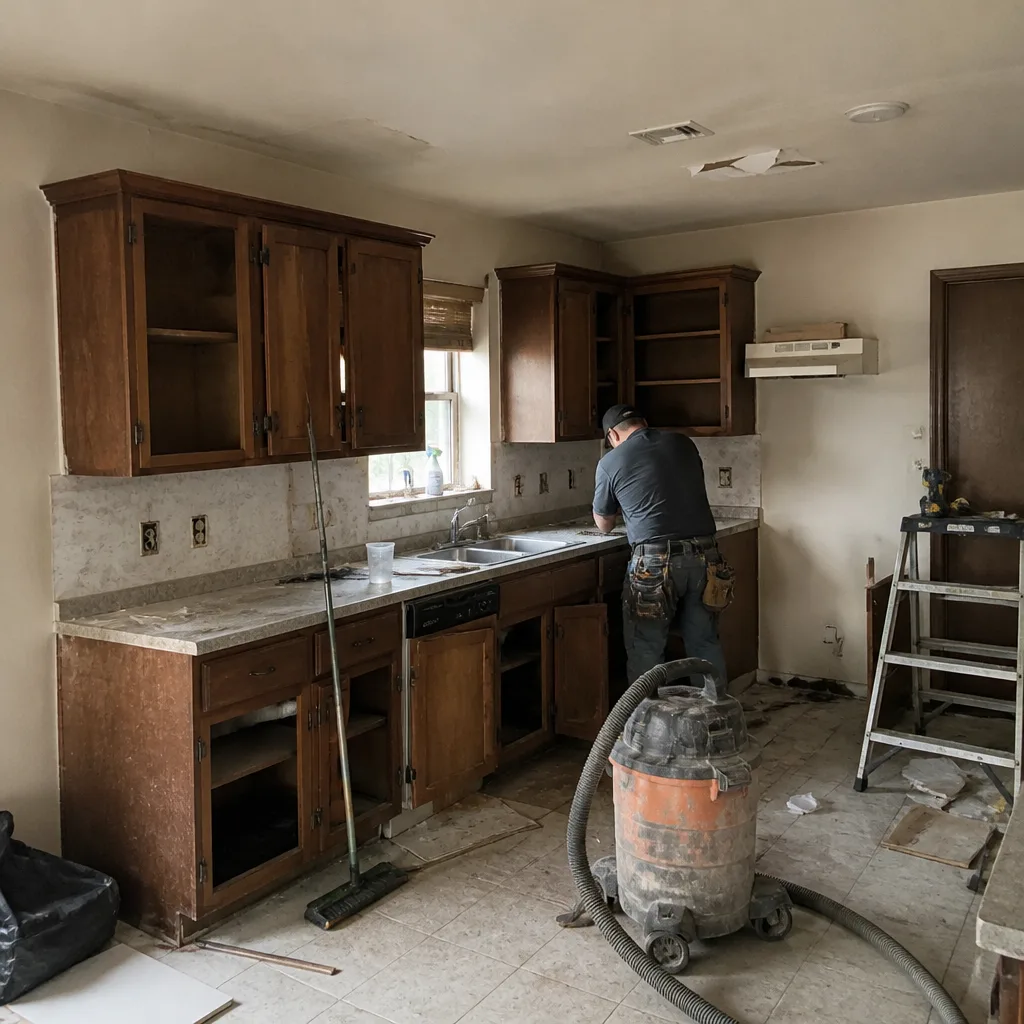 Before
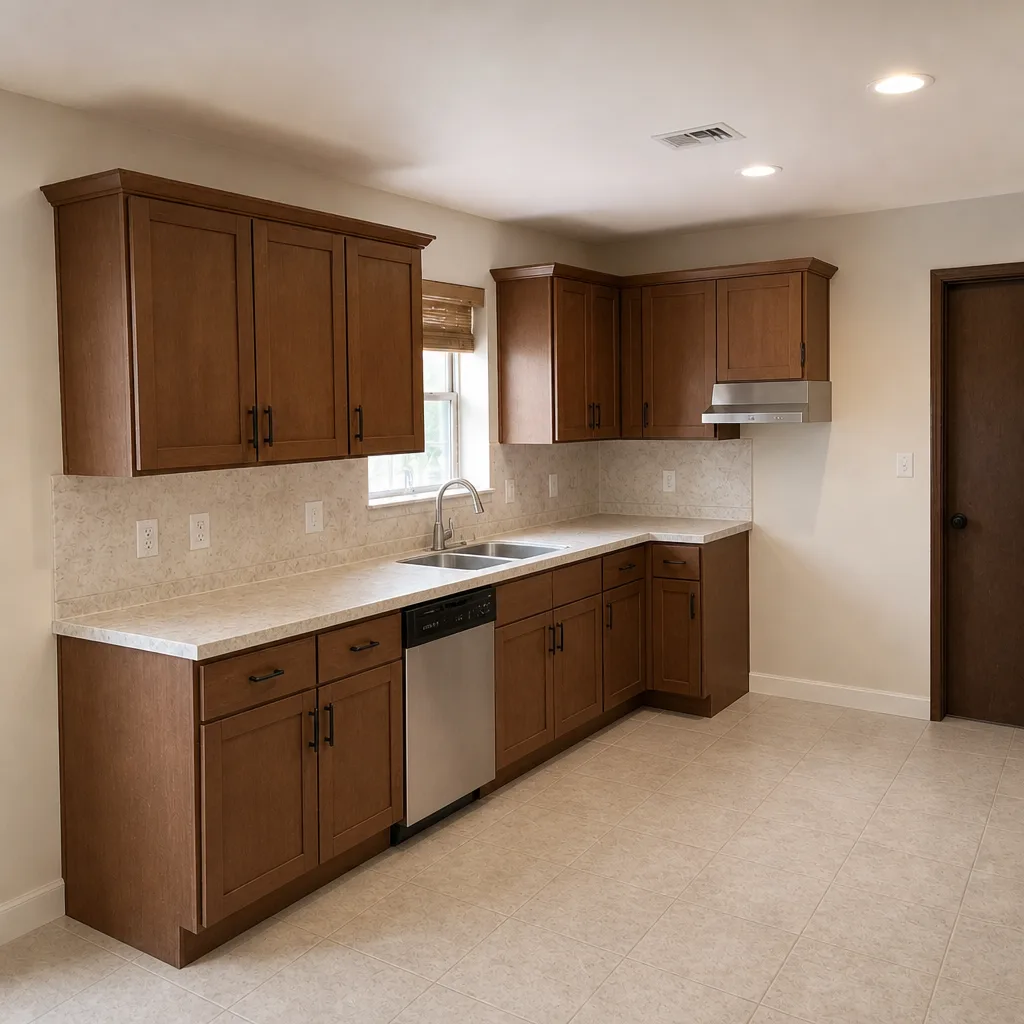 After
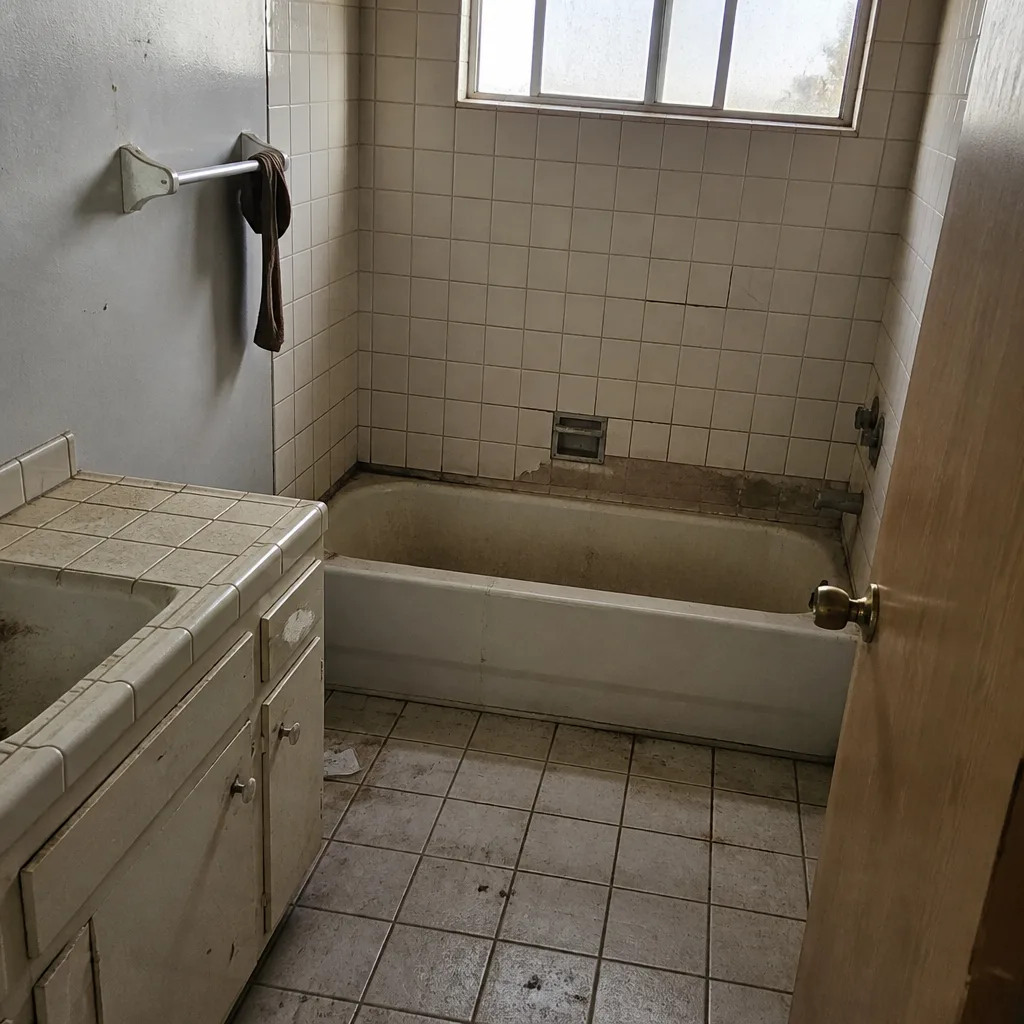 Before
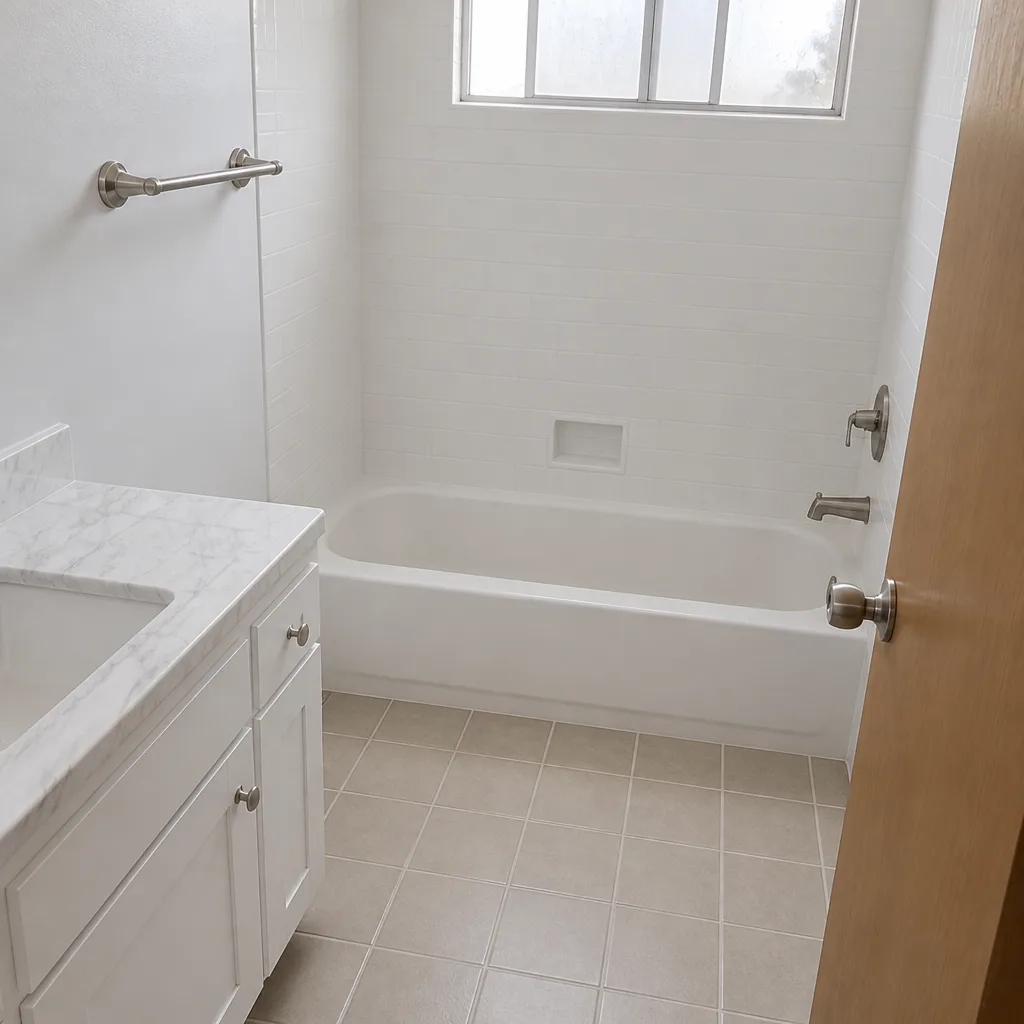 After
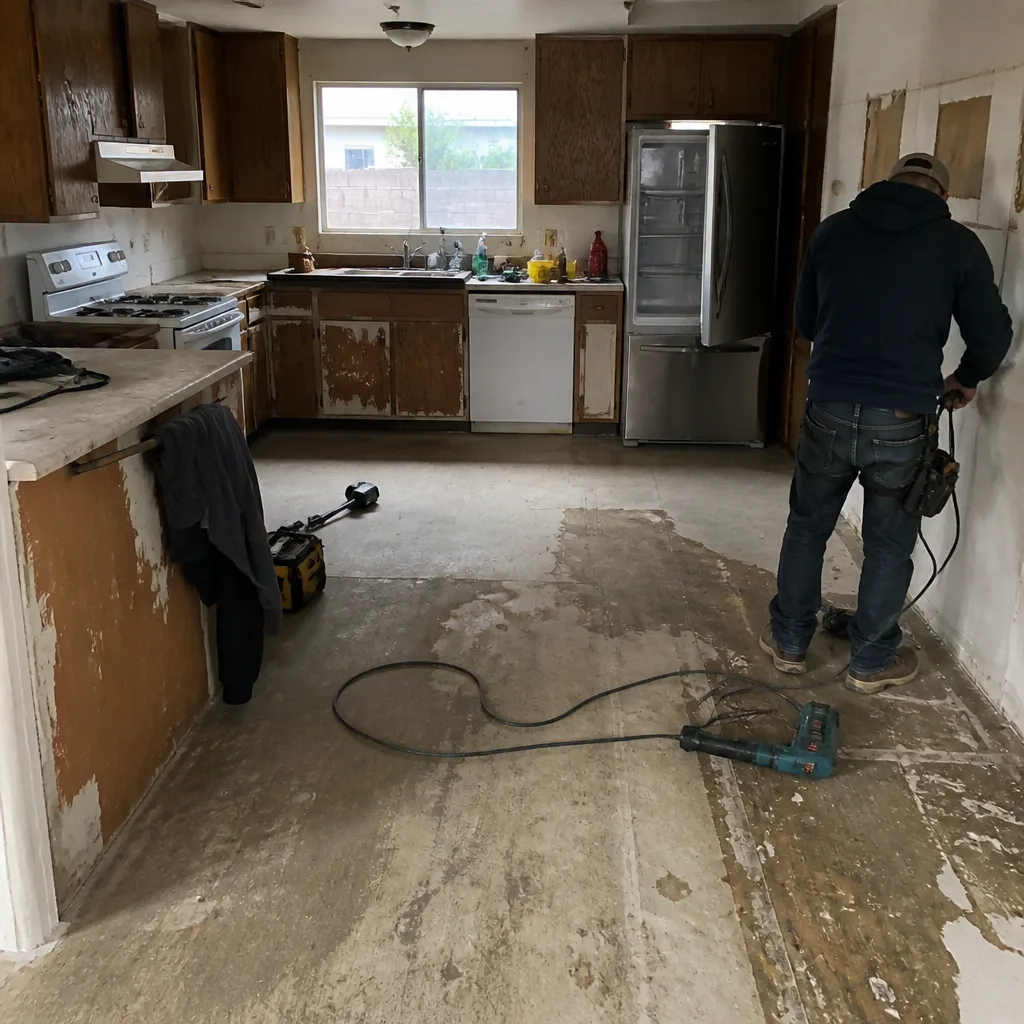 Before
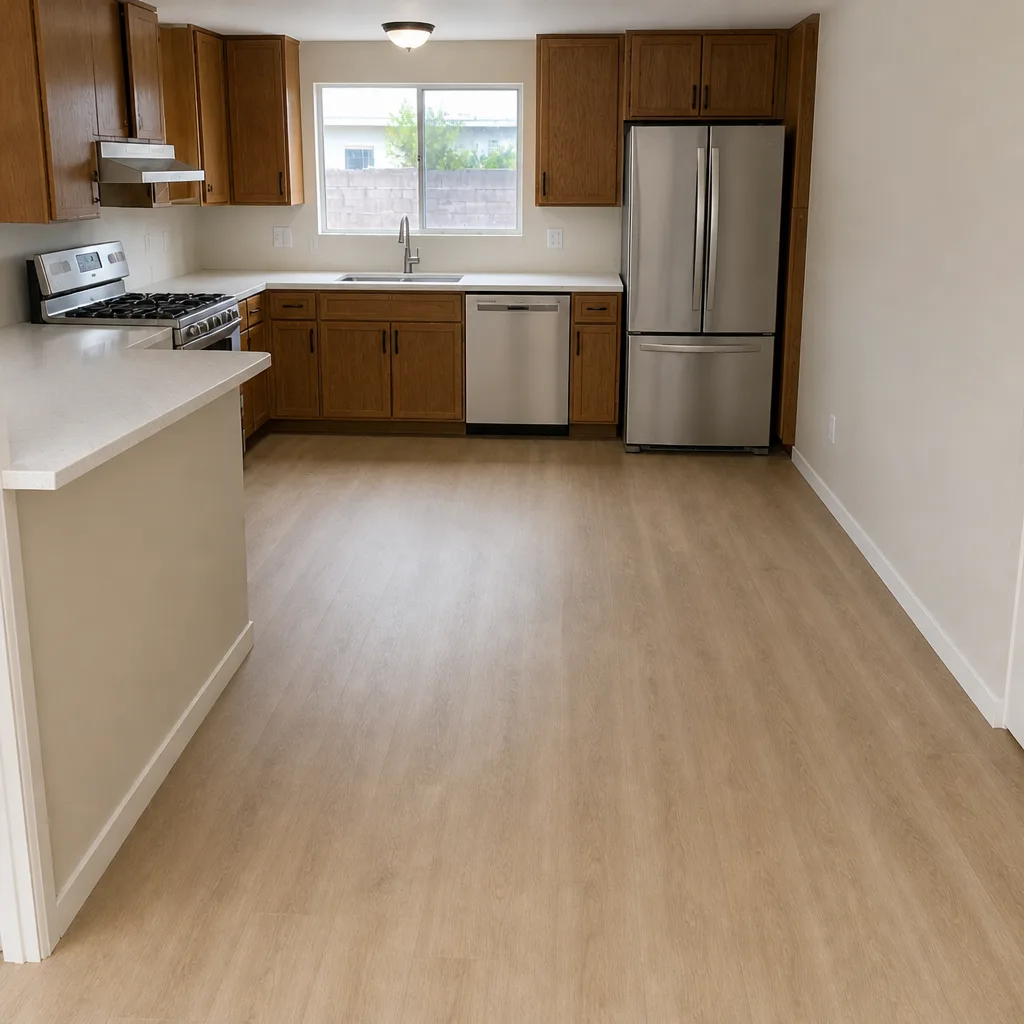 After
When to Call a Professional
Some projects genuinely need a professional, not a weekend project. Structural changes, additions, and any work that touches load-bearing walls are the clearest cases. So are roofing work, window and door replacements, and any scope that requires a permit and inspections. Water intrusion, envelope failures, and projects where two or more trades will overlap are also cases where one accountable contractor saves you real trouble. In Winchester, where heat, sun exposure, and older housing stock make envelope ties and structural connections more common, the case for professional work is strong.
On the other side: cosmetic painting, basic landscaping, and routine maintenance are usually fine to do yourself. The line is permits, structural connections, and anything that touches roofing, electrical, or plumbing systems.
If you’re uncertain which side of the line your project falls on, that’s worth a call. Construction Winchester offers free estimates in Winchester – call (888) 345-2603. We answer 24/7. Fast dispatch from 7am to 7pm, Sunday through Friday.
Frequently Asked Questions
Ask for the license number in writing, then verify it on the Nevada State Contractors Board (NSCB) database. Confirm the license is active, the business name matches the bid, the classification covers your project scope, the expiration date is current, and there’s no disciplinary history. Also confirm insurance and workers’ compensation coverage before work begins. Call (888) 345-2603 for a free estimate.
A full kitchen remodel that touches plumbing, electrical, cabinetry, countertops, drywall, and finish work typically requires a license class that covers the full scope, not a specialty-only license. Confirm the classification covers every trade the project touches, and ask the contractor to map their license to your specific scope in writing. Call (888) 345-2603 for a free estimate.
A bid 30% or more below the others in Winchester is a red flag, not a bargain. It usually shows up later as change orders, cheaper material substitutions, work that gets skipped, or a subcontractor that isn’t properly licensed. Multiple bids clustered near each other reflect a real market price; a single outlier signals a problem. Call (888) 345-2603 for a free, written line-item estimate.
Yes, and they should be conditional and tied to each payment. Lien waivers prove that subcontractors and suppliers were paid as work progressed, so you’re protected against a lien against your property even if you paid the general contractor in full. If your contractor’s contract doesn’t include lien waivers, ask for them before you sign. Call (888) 345-2603 for a free estimate.
Not unless you change the scope. A professional contract includes a written change-order procedure, and the written estimate is what sets the final price. Any change to scope, materials, or timeline should be documented in writing with an adjusted price and timeline before the work proceeds. Construction Winchester offers free, fixed-price written estimates. Call (888) 345-2603 to schedule yours.
One contractor means one contract, one permit track, one schedule, and one accountable party when something goes wrong. Coordinating multiple specialty subs yourself makes you the general contractor, and that comes with scheduling gaps, divided warranty accountability, and no clear path to resolution when work doesn’t line up. That’s why we offer the full scope – from interior remodeling to additions, roofing, windows, doors, driveway & pavers, and fencing – under one contractor relationship. Call (888) 345-2603 for a free estimate.
The Bottom Line
Hiring a contractor in Winchester comes down to four things: verify the license class against your actual scope, read the contract for change-order, payment, and lien-waiver clauses, treat outlier bids as red flags rather than bargains, and choose a contractor whose license and permit track record cover the whole job. The contractor who answers the three questions cleanly is the one who’s built a real business around Clark County’s rules. The one who hedges is the one whose project becomes your problem. If you want the whole scope handled under one accountable relationship, that’s what we do.
Construction Winchester connects homeowners in Winchester with independent local professionals who perform the work. From the driveway to the roofline, our network handles driveways and pavers, fencing, home additions and ADUs, bathroom remodeling, windows and doors, roofing, and kitchen remodeling under one relationship. Our technicians have up to 14 years of experience, and we work with an extensive roster of name-brand manufacturers across every trade – from GAF, CertainTeed, and Owens Corning roofing to Cambria, Silestone, and Caesarstone countertops, to KraftMaid and Wellborn cabinetry, to Belgard, Unilock, and Techo-Bloc pavers, to fixtures from Kohler, Grohe, Toto, and Moen, alongside value-tier options from Delta, American Standard, and Blanco. You choose the product; we handle the build. Permits pulled and inspections passed. Free estimates, written line-item quotes, fixed pricing with no change orders once the estimate is signed. Call (888) 345-2603 for a free estimate. We answer 24/7. Fast dispatch from 7am to 7pm, Sunday through Friday.
Written by the team at Construction Winchester.