Last updated November 18, 2026
Free written scope consultation - allowances, timeline, and change-order rules on paper before a single trade is scheduled
Choosing the Right Construction Brand: A Buyer’s Guide for Winchester
A window brand with an excellent reputation in the Pacific Northwest can deliver warped frames and failed seals within a few years in Winchester, because it was never engineered for surface temperatures that push past 115°F. The brand didn’t fail. The specification did. That gap between a trusted name and a climate-appropriate product is where most construction regrets begin, and it’s why this guide moves the conversation away from logos and toward specs. You’ll learn which numbers actually matter for roofing, windows, pavers, and doors in Winchester, how to read a warranty for desert exclusions, and the questions that reveal whether a contractor is specifying for performance or for margin.
Quick Answer
For most construction products in Winchester, the specific product line’s rating for desert UV exposure, heat cycling, and low humidity matters more than the manufacturer’s overall reputation. Check solar heat gain coefficient on windows, Class A fire and UV resistance on roofing, and freeze-thaw ratings on hardscape. A brand’s name tells you who made it; the spec sheet tells you whether it will last here.
Styles & brands we work with
- Kitchen remodeling
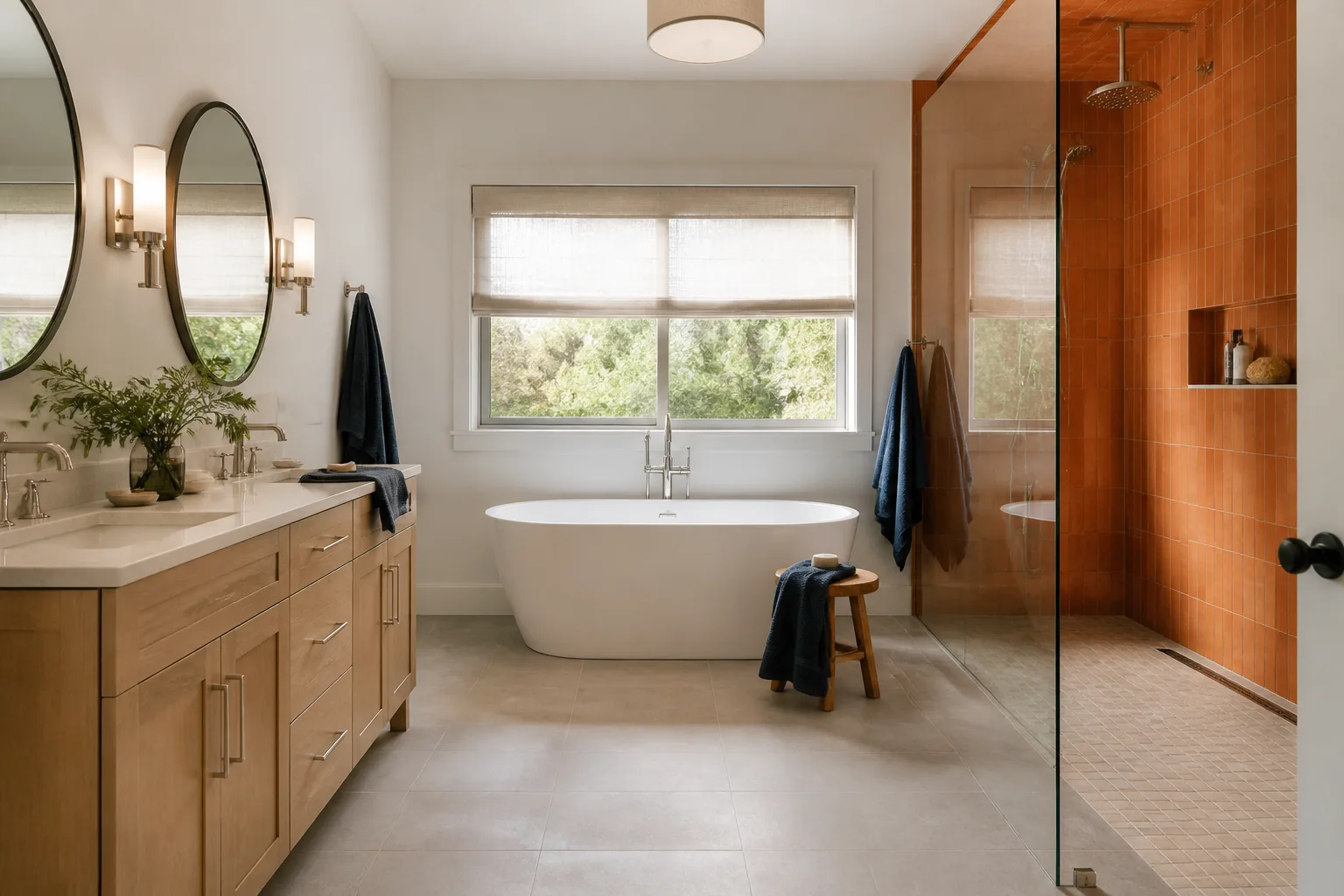
- Bathroom remodeling
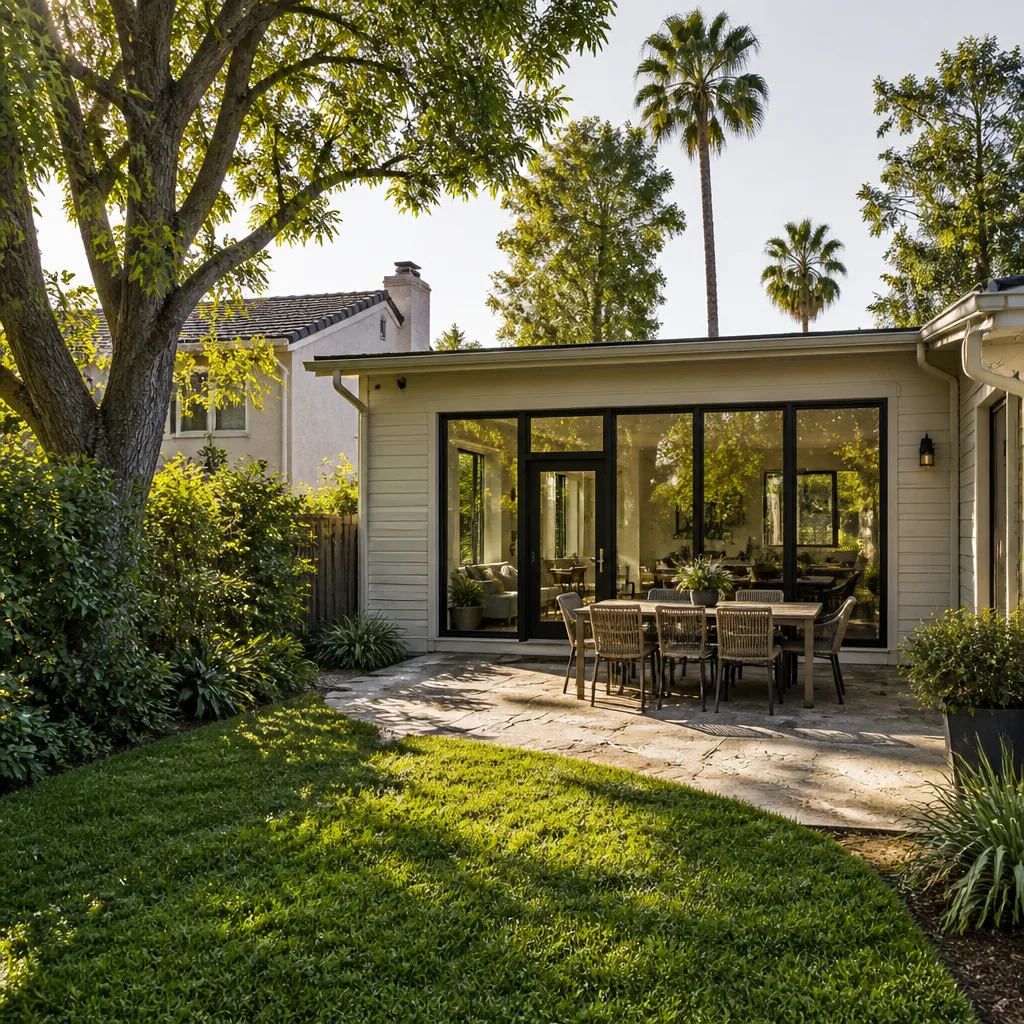
- Home additions & ADU
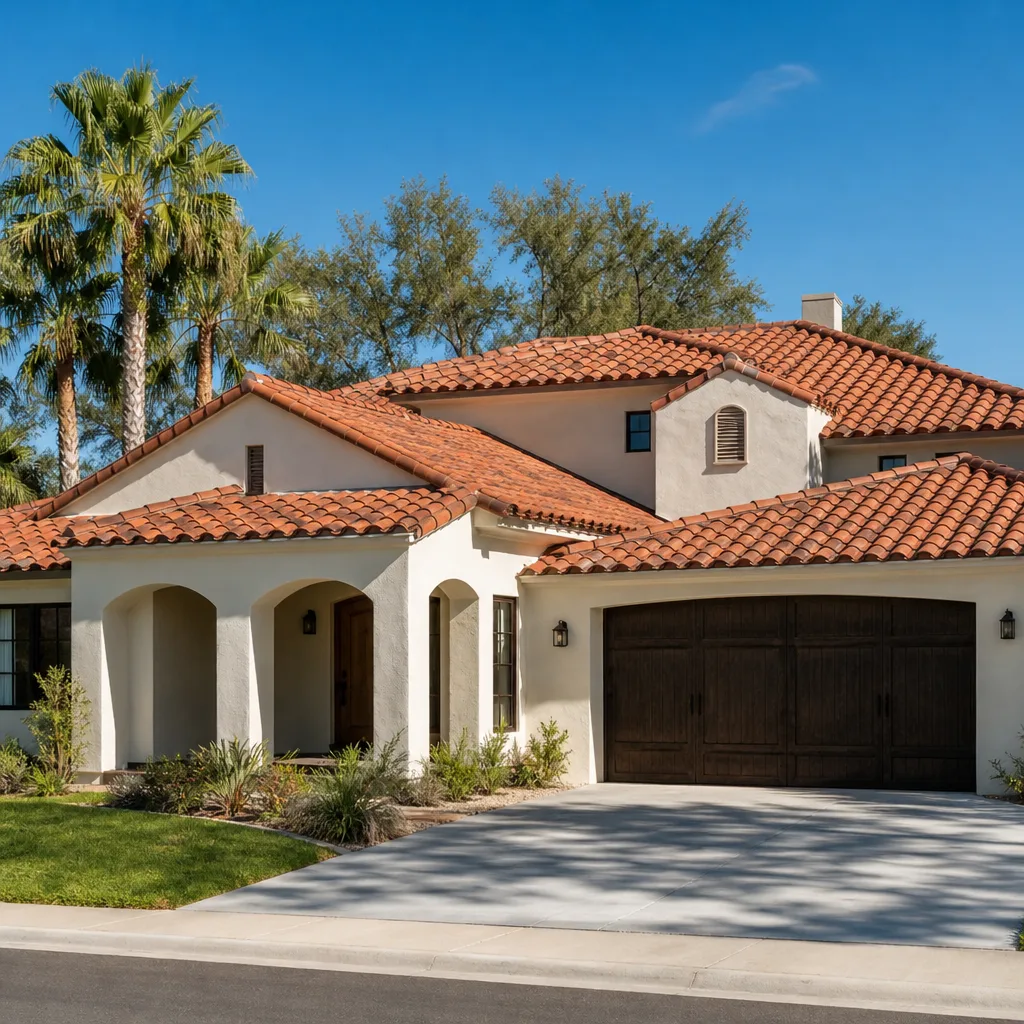
- Roofing
- Windows & doors
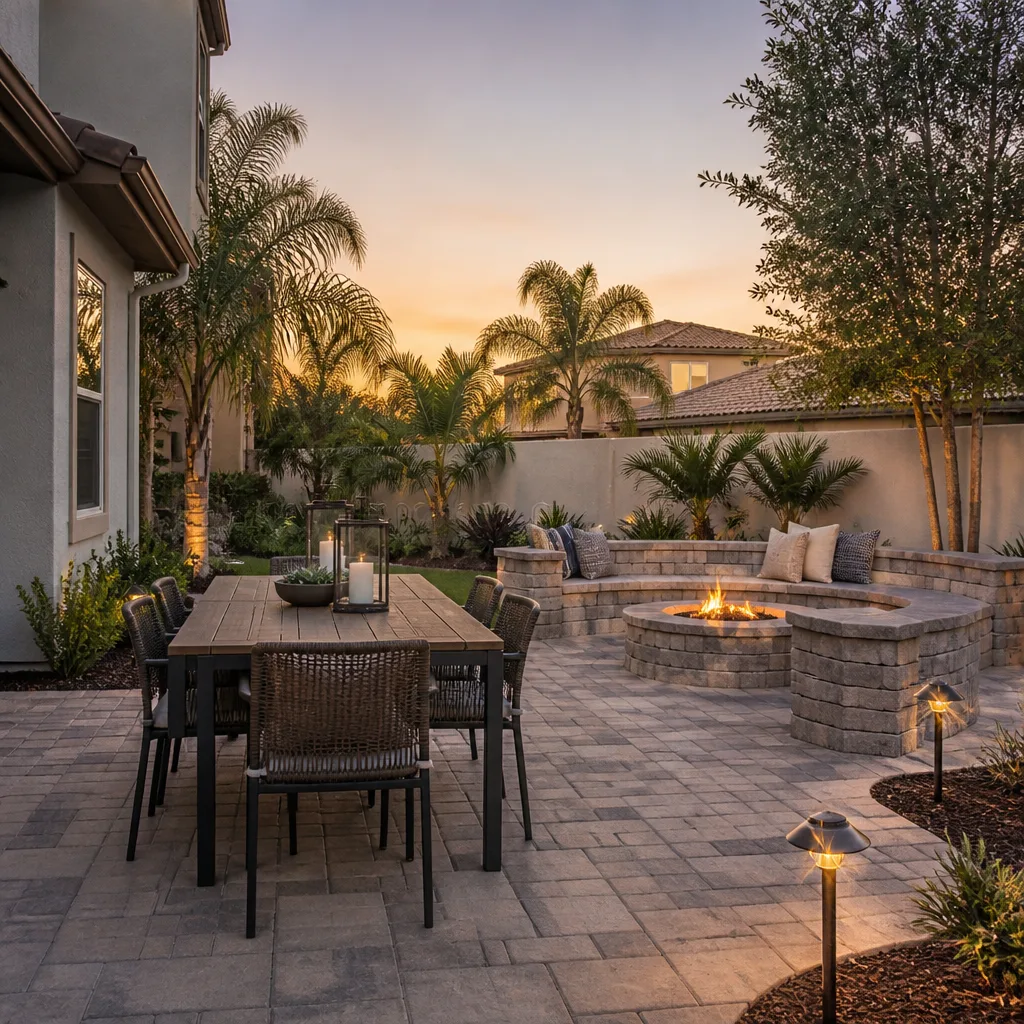
- Driveway & pavers
- Fence
Table of Contents
- Why Brand Reputation Isn’t the Same as Climate Fit
- The Specifications That Matter in Winchester’s Climate
- Reading Manufacturer Warranties for Desert Exclusions
- Where Brand Differentiation Is Real and Where It Isn’t
- How a Full-Scope Contractor’s Material Relationships Shape Your Job
- A Framework for Judging a Contractor’s Material Recommendations
- Questions That Reveal a Performance-Driven Approach
- Common Mistakes to Avoid
Why Brand Reputation Isn’t the Same as Climate Fit
Manufacturers design product lines for broad national distribution, then tune specific lines for specific conditions. A company’s name on the box tells you almost nothing about which of its products were built for a desert valley. The same manufacturer might offer a window series rated for moderate coastal humidity and a different series engineered for intense solar load and wide daily temperature swings. Both carry the same logo. Only one belongs on a Winchester home.
Winchester sits in a high desert valley, which creates a particular set of stressors that manufacturers who design mostly for milder climates don’t always account for. Days swing from cool mornings to triple-digit afternoons and back. Solar exposure is relentless across most of the year. Humidity stays low enough that materials dry out and move rather than staying dimensionally stable. And the ground under our driveways and patios expands and contracts with the temperature, working against anything rigid that was set without room to breathe.
This is why we push clients toward specification literacy rather than brand loyalty. If you understand what a product must do here, you can evaluate any label against those requirements, including labels you’ve never heard of. Construction Winchester was built around giving homeowners real choice among materials across every trade, so the conversation can be about the right product for your project rather than whatever happens to be on hand.
The practical takeaway: the question to ask is never “Is this a good brand?” It’s “Is this specific product line rated for the conditions it will face on my property?” Those are different questions, and only the second one protects your investment.
The Specifications That Matter in Winchester’s Climate
Specific performance numbers separate a product that will hold up in Winchester from one that will look tired in a few summers. These are the ones worth pulling data sheets for before you sign anything.
For windows and doors
- Solar Heat Gain Coefficient (SHGC) measures how much solar heat passes through. In a climate with brutal summer sun, a low SHGC reduces heat load and takes pressure off your cooling system.
- U-factor measures how well the unit resists heat flow. Lower is better in both summer and winter.
- Frame and seal materials rated for high heat cycling. Vinyl and seals that aren’t formulated for wide temperature swings can warp or fail prematurely.
For roofing
- Class A fire rating is a baseline for residential roofing and worth confirming on the exact line selected.
- UV resistance and heat reflectivity. Cool-rated shingles and reflective underlayments reduce attic heat, and the desert sun breaks down underperforming materials faster than manufacturers in milder regions anticipate.
- Granule adhesion and warranty terms that specifically cover heat and UV degradation rather than excluding it.
For driveways, pavers, and hardscape
- Freeze-thaw and thermal cycling ratings matter even in a hot climate, because the ground and the materials still cycle between cool nights and hot days.
- Water absorption rates. Dense, low-absorption pavers resist cracking and staining better under intense sun.
- Colorfastness. Pigments that fade quickly under UV deserve a hard pass.
When we specify a driveway, the choice between a driveway & pavers system from one manufacturer’s line and another often comes down to which product holds its rating under local conditions. You choose the product; we handle the build.
Reading Manufacturer Warranties for Desert Exclusions
A warranty is only as strong as its exclusions, and some manufacturer warranties quietly void coverage in high-heat or high-UV conditions. That’s the single most overlooked detail in material selection, and it’s the one most likely to bite a Winchester homeowner years after install.
Before you commit to a product line, read the actual warranty document, not the marketing summary. Look for these patterns:
- Explicit heat and UV coverage. A strong desert-grade warranty names heat and sunlight degradation as covered events, not as exclusions.
- Exclusion language that mentions extreme temperature or solar exposure. If the fine print voids coverage above certain temperatures or for sun-related failure, that product may not suit this climate.
- Proration and transfer terms. Understand how coverage reduces over time and whether it transfers if you sell the home.
- Installation requirements. Many warranties are voided if the product isn’t installed to the manufacturer’s specification. That means the installer’s methods are part of your coverage.
- The difference between material and labor coverage. A ten-year material warranty paired with a one-year labor warranty leaves you paying for the hard part.
Our guidance to clients is simple: match the warranty to the conditions, not to the logo. A modest product line with a climate-appropriate warranty can be a better buy than a famous name whose fine print excludes desert sun.
Where Brand Differentiation Is Real and Where It Isn’t
Not every product category rewards brand research equally. In some trades, the label matters a great deal. In others, installer quality drives the outcome far more than the name on the material. Knowing which is which saves you both money and frustration.
Categories where brand and product line matter
- Roofing systems. There’s genuine difference in granule technology, heat performance, and warranty strength between manufacturers. Choosing among GAF, CertainTeed, Owens Corning, or comparable lines is a real decision with real consequences.
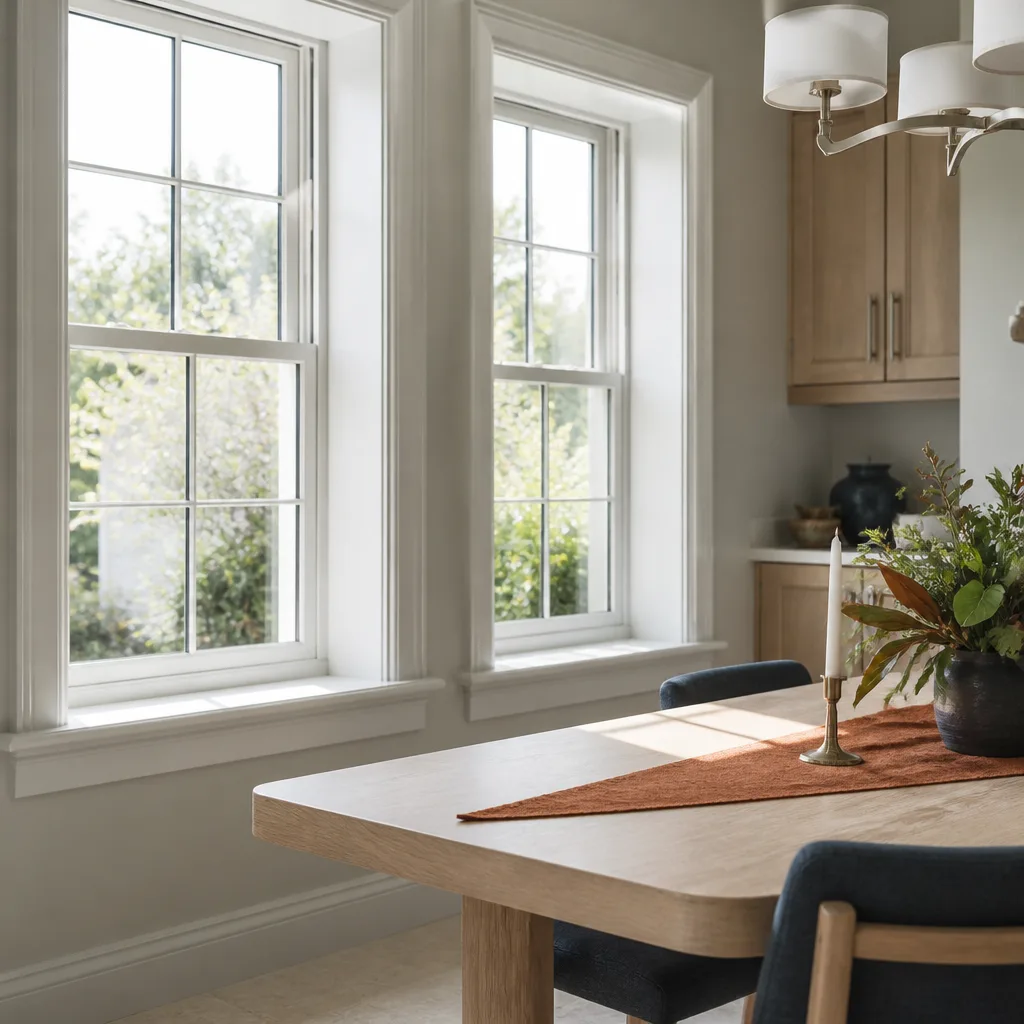
- Windows and doors. Frame construction, glass coatings, and seal engineering vary significantly, and the wrong line fails here. High-performance window brands earn their reputation when their specific series is rated for this climate.
- Cabinetry and countertops. Build quality, hardware, and finish durability differ meaningfully across lines like KraftMaid and Wellborn or Cambria, Silestone, and Caesarstone. These are worth shopping.
- Pavers and hardscape. Product innovation in permeability, colorfastness, and density is real across manufacturers like Belgard and Unilock.
Categories where installation matters more than the label
- Concrete flatwork and base preparation. Prep, sub-base, and jointing decide whether a driveway survives, not the brand on the bag.
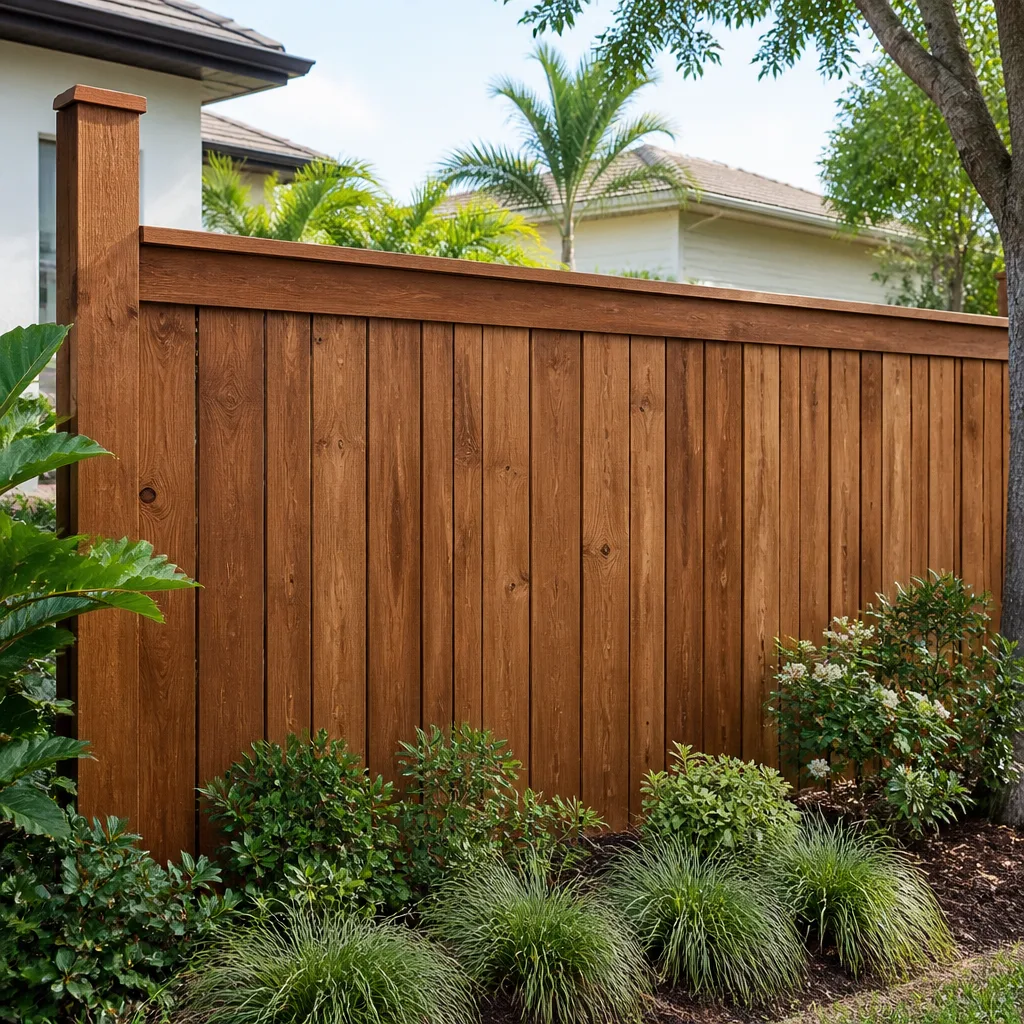
- Fencing fundamentals. Post setting, hardware, and gate construction drive longevity as much as the fencing brand.
- Drywall, framing, and general carpentry. These are largely commoditized. Craft, not branding, is what you’re paying for.
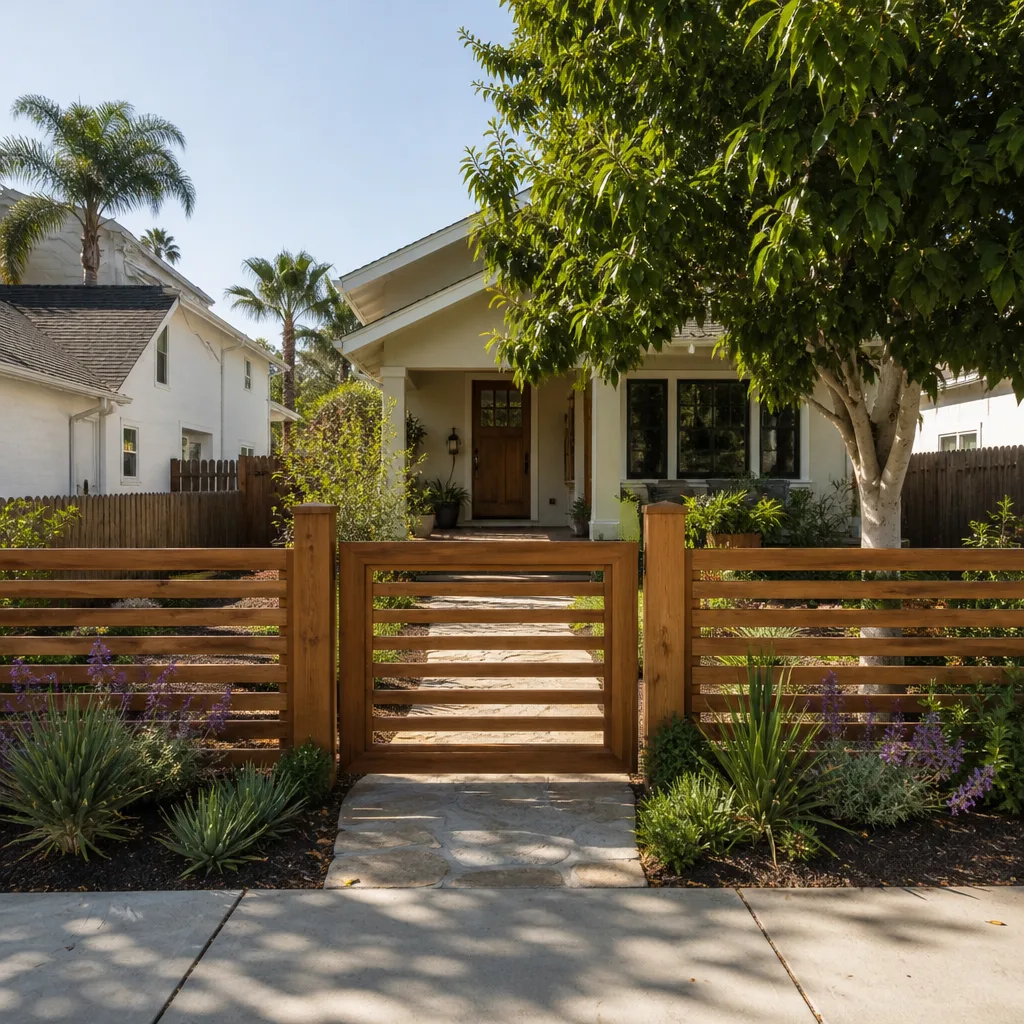
In our experience, homeowners who over-research commodity materials and under-research the installer tend to be the ones disappointed. Flip that instinct and you’re ahead of the curve. If fencing is on your list, a fence installation where the posts are set correctly will outlast a fancier panel every time.
How a Full-Scope Contractor’s Material Relationships Shape Your Job
When one contractor handles your whole project, their manufacturer relationships determine what actually gets specified on your job. That’s worth understanding before you sign, because those relationships can work for you or, handled poorly, quietly narrow your options.
A contractor who has curated access to a broad roster of name-brand manufacturers across every trade can offer real choice: cabinet lines, stone surfaces, roofing systems, paver collections, and fixtures drawn from many sources rather than a single supplier. That breadth is the difference between a genuine comparison and a take-it-or-leave-it offer.
Here’s what that material relationship structure means practically:
- More product lines to compare against your spec sheet. Choice lets you match performance to conditions rather than settling for whatever the contractor happens to carry.
- Both premium and value tiers. A curated roster spanning premium and dependable value-tier options serves a range of budgets without dropping quality at the low end.
- Cross-trade coordination. When scopes like driveways, roofing, and interior work fall under one relationship, material decisions get coordinated rather than handed off between vendors.
This is where our full-scope model pays off for larger projects. From the driveway to the roofline, coordinating materials under one contractor removes the phone-tag that happens when a homeowner has to reconcile three specialty installers who never talk to each other. Construction Winchester treats the material roster as client-facing choice, not contractor convenience.
It also matters for structural work. A home additions & ADU project involves far more permitting and structural coordination than a typical remodel, and the material choices ripple through the whole build. More on that below.
A Framework for Judging a Contractor’s Material Recommendations
A confident, knowledgeable builder should be able to explain why a specific product fits your specific project. If they can’t articulate the reasoning, the recommendation probably has more to do with margin than performance. Here’s a framework for evaluating what you hear.
- Ask what conditions the product is rated for. A good answer references the product’s spec sheet, not the brand’s ad campaign. “It’s rated for this heat range and UV load” beats “it’s a popular brand” every time.
- Ask what alternative they considered and why they rejected it. A builder who compared two or three options and can explain the trade-offs is specifying with intent.
- Ask how the warranty handles sun and heat. This separates performance-driven choices from convenient ones.
- Ask who installs it and how installation affects the warranty. Installer method is part of product performance.
- Ask what happens if the product underperforms. A clear answer on service and warranty response tells you how much they stand behind their spec.
Notice that none of these questions require you to become a materials expert overnight. They just require you to listen for whether the contractor can answer them specifically. A builder who built their recommendation on real data will welcome the questions. A builder who didn’t will get vague.
This is also where our technicians’ up to 14 years of experience shows. Asking a contractor to justify a material choice isn’t confrontational; it’s the conversation a serious builder wants to have.
Questions That Reveal a Performance-Driven Approach
The best predictor of a good outcome is whether your contractor specifies for performance or for margin. These questions, asked early, will tell you which you’re dealing with.
- Which product line, specifically, are you proposing? If the answer is only a brand name, ask for the line and model. A serious builder knows the difference between a manufacturer and a product line.
- Can I see the spec sheet? The willingness to share data sheets is a strong signal.
- How does this hold up to Winchester summers? You want an answer grounded in rating terms, not reassurance.
- What does the warranty say about heat and UV? Watch whether they’ve actually read it.
- What’s the alternative, and why did you choose this one? Comparison-driven thinking is a mark of confidence.
- Does this product require a permit or inspection? Most structural and envelope work does, and a contractor comfortable with the building department will answer without hesitation.
Staying within a single niche, this guide exists for one reason: material choices in Winchester have to be made on evidence. Construction Winchester frames every one of these questions around a real product roster rather than a single-brand offer, so the conversation can stay grounded.
If structural work or a larger remodel is part of your plan, the same questions apply with more weight. Construction Winchester coordinates materials across the full scope so you aren’t left to reconcile conflicting recommendations from separate vendors.
Common Mistakes to Avoid
- Buying the brand and skipping the line. The manufacturer’s name says nothing about which series you’re getting. Always confirm the exact product line and its rating before you commit.
- Ignoring the fine print on heat and UV. A warranty that excludes sun-related failure might leave you uncovered in the exact conditions Winchester delivers every summer.
- Over-focusing on commodity items. Spending weeks comparing drywall or framing brands while accepting the first installer who shows up is backwards. Craft beats branding on those materials.
- Letting a contractor pick from a single supplier. If you’re only shown one option, you haven’t been given a choice. A broad roster is what makes genuine comparison possible.
- Forgetting that installation drives the warranty. Even a well-rated product voids its coverage if it’s installed wrong. The installer’s method is part of the product’s performance.
- Assuming high altitude and high sun are cosmetic. UV exposure isn’t just about fading; it degrades seals, granules, and finishes, which is exactly what the spec sheet is measuring.
- Skipping the permit question. Structural and envelope work usually requires one. If your contractor waves it off, that’s a red flag about how seriously they take the whole build.
Avoid these and the label on the box becomes far less important than the document behind it.
See the difference
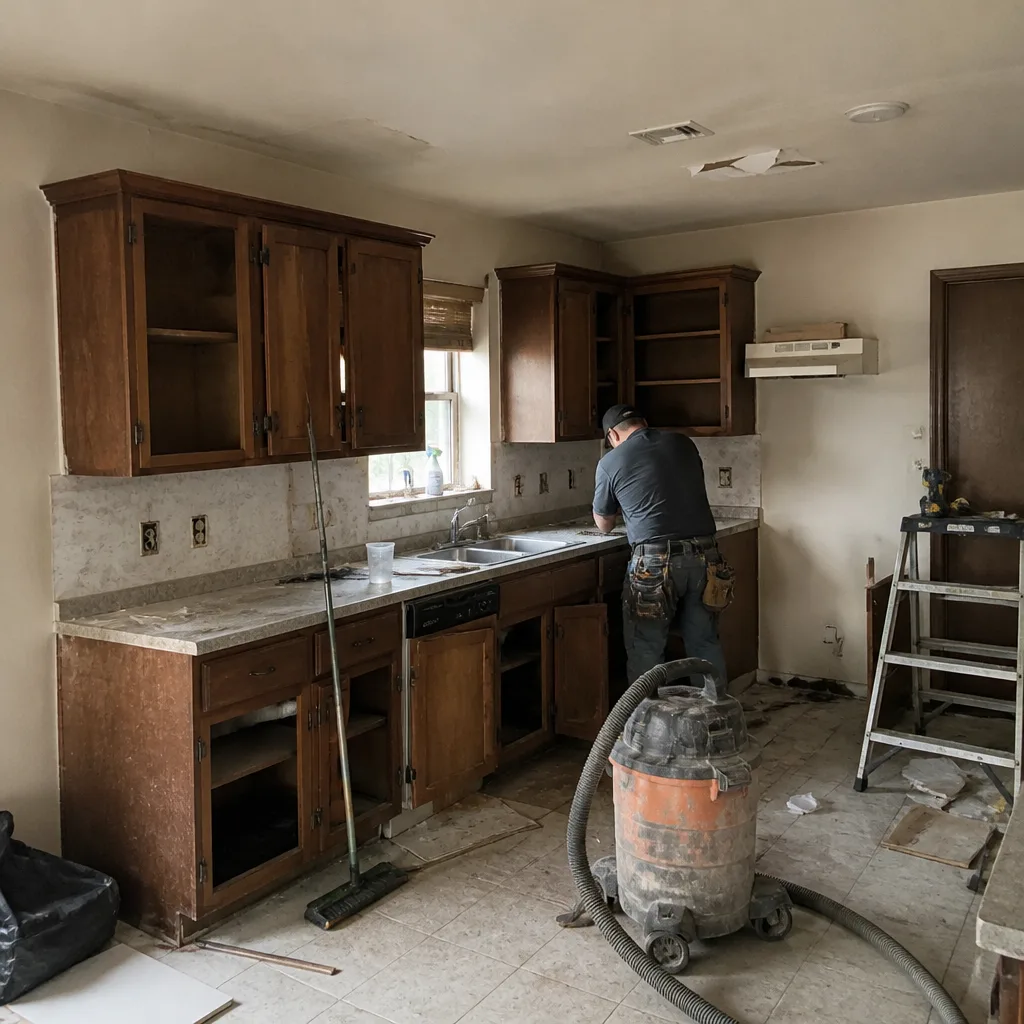 Before
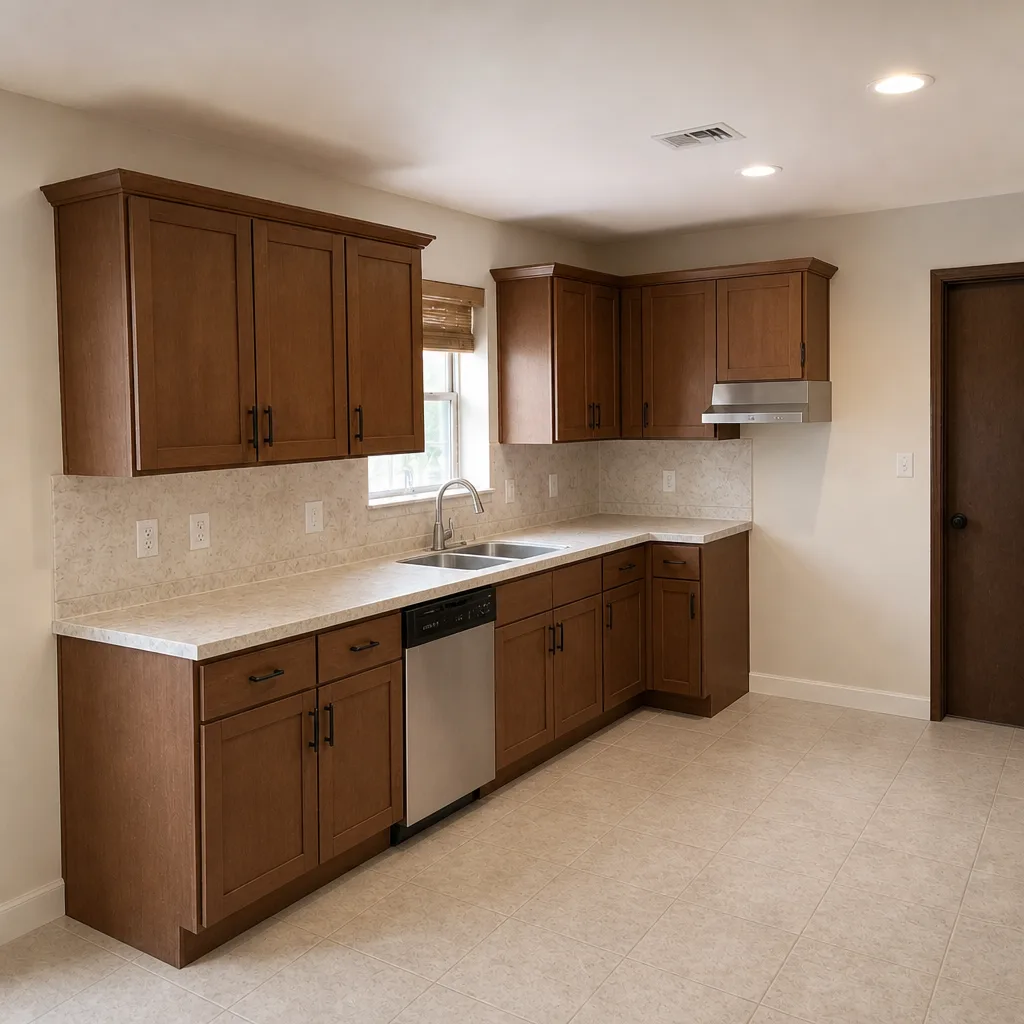 After
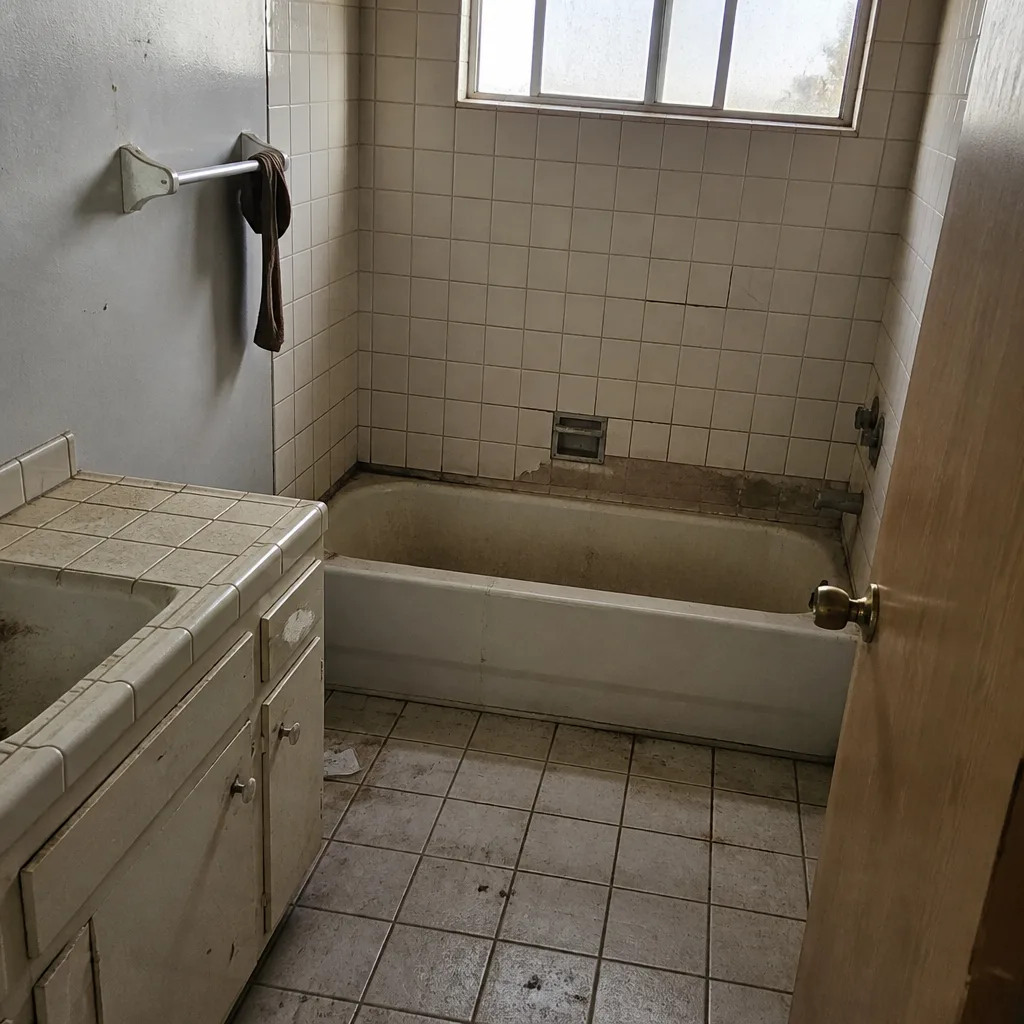 Before
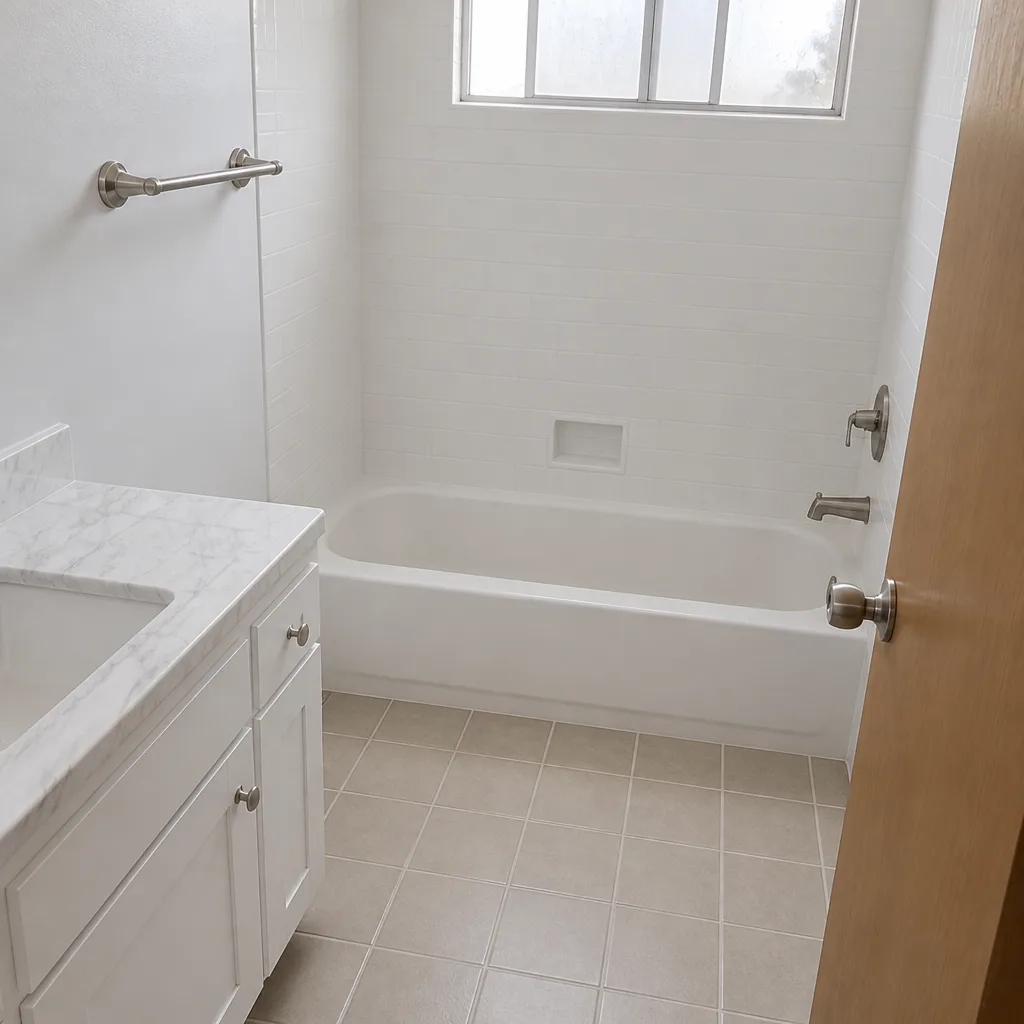 After
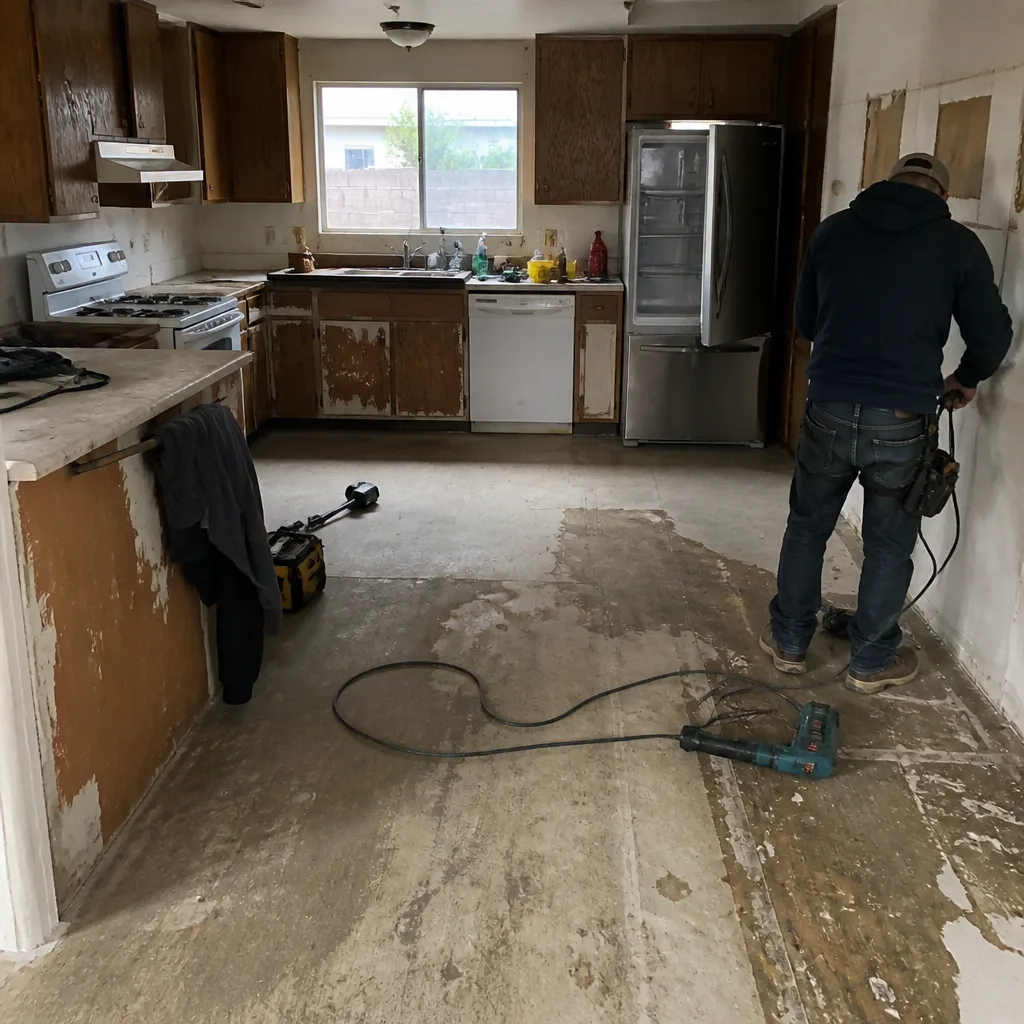 Before
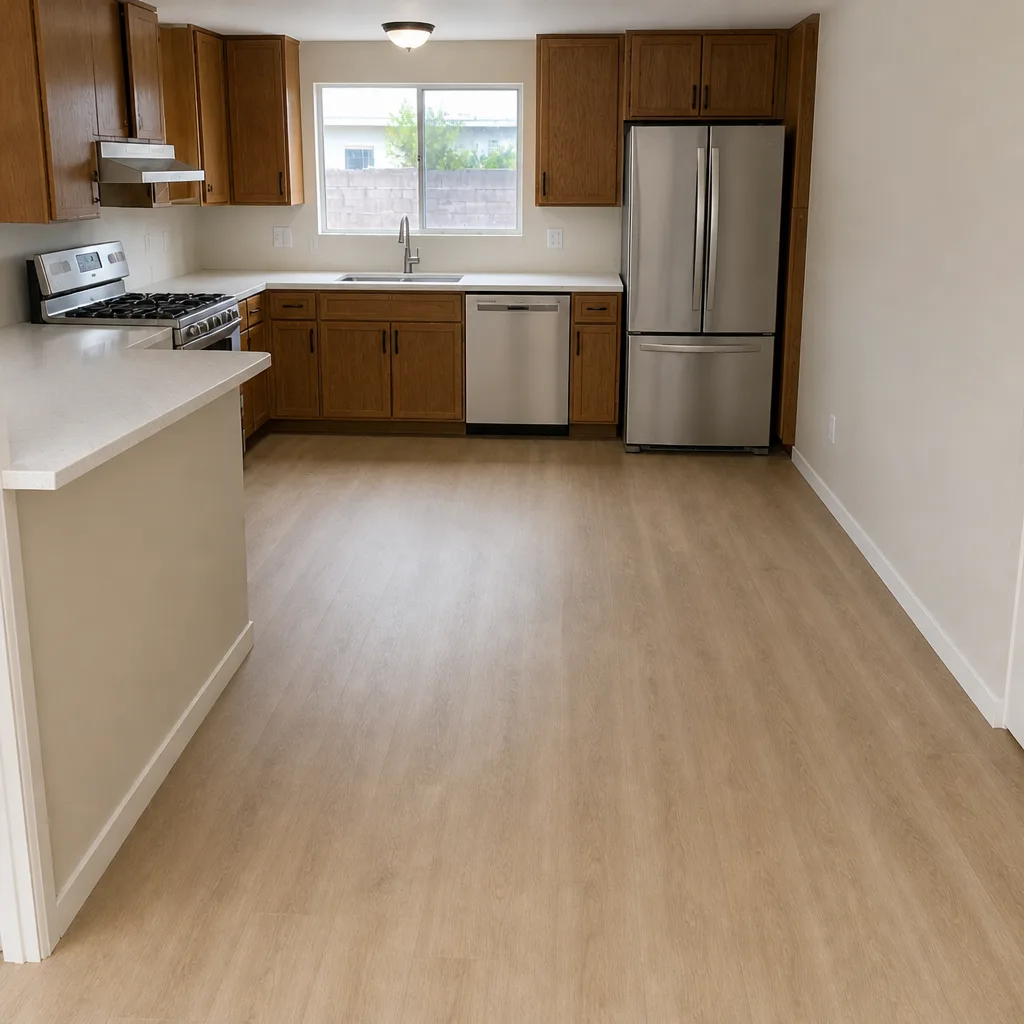 After
When to Call a Professional
Some material decisions are too consequential to make from a showroom floor. When a window’s heat performance, a roof’s UV rating, or a paver system’s thermal behavior will determine how your home performs for years, it’s worth sitting down with a builder who can read the spec sheets with you. The same applies if you’re facing a whole-project scope: a driveway, a roof, and an interior renovation each carry their own material logic, and coordinating all three is a different exercise than picking one product.
Construction Winchester offers free estimates in Winchester and surrounds, and we welcome the detailed questions. Call (888) 345-2603. We answer 24/7. Fast dispatch from 7am to 7pm, Sunday through Friday.
Frequently Asked Questions
Product specifications matter more than brand names for most construction products installed here. The line-level rating for UV exposure, heat cycling, and low humidity determines long-term performance far more than the logo. A well-known brand selling a product never engineered for desert conditions will underperform a lesser-known line that was. Call (888) 345-2603 for a free estimate.
Solar Heat Gain Coefficient (SHGC) and U-factor are the two to check first, along with frame and seal materials rated for high heat cycling. In a climate with intense sun, a low SHGC reduces heat load, and a low U-factor resists heat flow in both directions. Call (888) 345-2603 for a free estimate.
Confirm the exact product line, look for Class A fire rating, and check the UV resistance and heat reflectivity specifications. Then read the warranty for how it handles sun and heat degradation rather than whether it excludes them. A product line engineered for high solar load will be explicit about it. Call (888) 345-2603 for a free estimate.
Yes, and you should. Paver selections from manufacturers like Belgard and Unilock vary in water absorption, colorfastness, and thermal cycling ratings, and comparing them against the conditions on your property is the right approach. A contractor with a broad roster can walk through the differences with you. Call (888) 345-2603 for a free estimate.
It can, if the warranty fine print excludes high-heat or high-UV failure. Always read the actual warranty document before committing, and pay particular attention to exclusion language mentioning temperature or solar exposure. A strong warranty names heat and UV as covered events. Call (888) 345-2603 for a free estimate.
A single contractor handling multiple projects, from the driveway to the roofline, eliminates the coordination gaps that create conflicting material recommendations and finger-pointing between vendors. It also keeps your material choices tied to one accountable plan. For larger scopes including additions, that matters most. Call (888) 345-2603 for a free estimate.
The Bottom Line
Brand reputation is a starting point, not a decision. In Winchester, the products that hold up are the ones whose specifications match the conditions they’ll actually face: UV exposure, heat cycling, low humidity, and temperature swings. Check the exact product line, read the warranty’s fine print, and resist the temptation to over-research commodity materials where installer quality drives the outcome. Most of all, work with a builder who can talk about specs as easily as they talk about labels. That’s the difference between a product that was popular and one that was chosen for your home. Call (888) 345-2603 for a free estimate.
Written by the team at Construction Winchester.