Last updated November 18, 2026



Free written scope consultation - allowances, timeline, and change-order rules on paper before a single trade is scheduled
Construction Emergency Preparedness Guide for Winchester Homes
Most Winchester homeowners prepare for emergencies by saving a plumber’s number in their phone. That’s a contact list, not a plan. The difference matters, because the emergencies that actually hit homes here follow a narrow set of patterns: a roof that held through years of dry weather fails during a single desert monsoon, a pipe that never caused trouble bursts during a hard freeze, a water heater platform that was fine in spring gives way under a full tank. None of these are random. Each one can be anticipated, contained, and documented. This guide builds the specific response protocol that keeps a bad day from becoming a catastrophic one.
Quick Answer
A construction emergency plan for a Winchester home is three things: a written protocol for containing the three most likely failures (storm roof penetration, monsoon drainage failure, freeze-related pipe burst), a first-60-minutes documentation routine that protects your insurance claim, and a short list of pre-verified contractors you’ve already vetted before you need them. Preparation costs nothing but a few hours; skipping it costs far more when a storm hits.
Styles & brands we work with
- Kitchen remodeling
- Bathroom remodeling
- Home additions & ADU
- Roofing
- Windows & doors
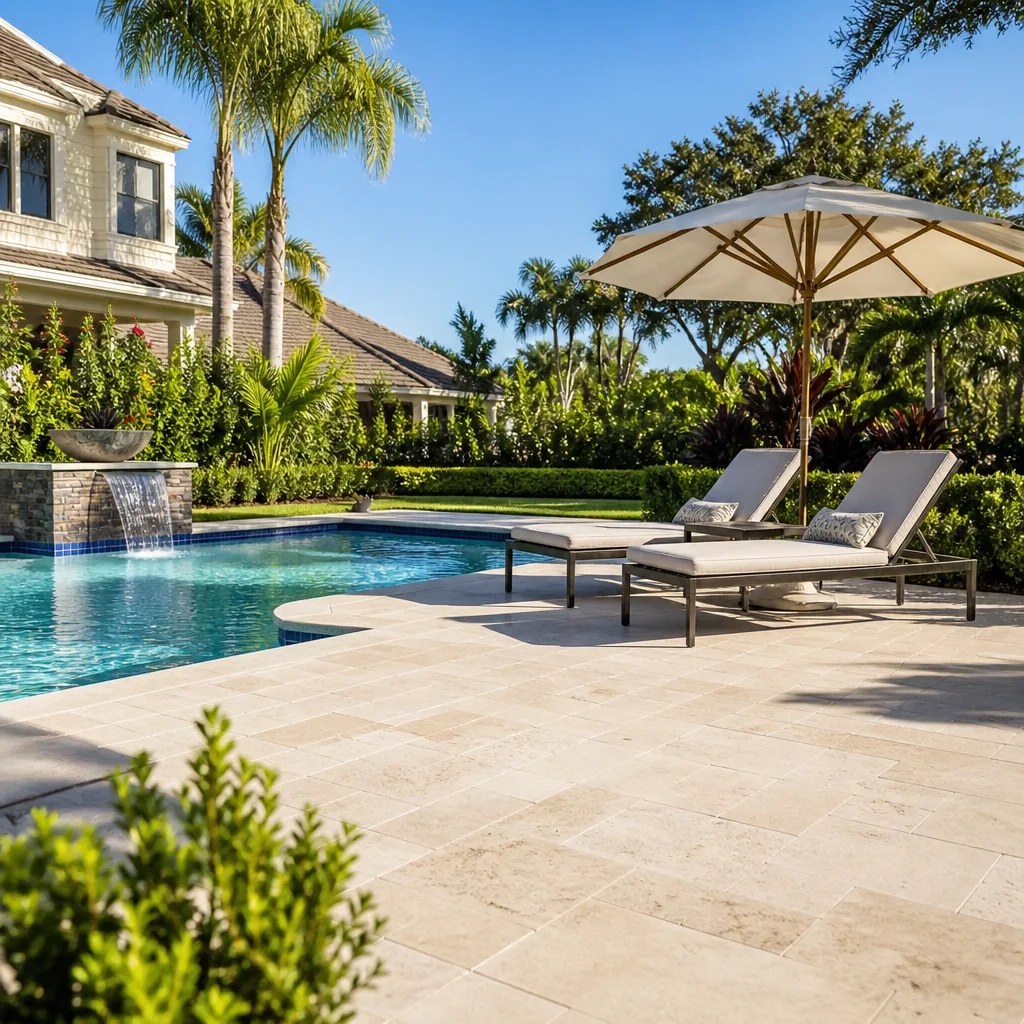
- Driveway & pavers
- Fence
Table of Contents
- The Three Most Likely Construction Emergencies in Winchester
- Immediate Containment Steps for Each Emergency Type
- What to Document in the First 60 Minutes
- Emergency Tarping and Temporary Repair: Mitigation vs. Unauthorized Alteration
- Pre-Season Preparation Checklist
- How to Vet an Emergency Contractor Quickly
- Common Mistakes to Avoid
- When to Call a Professional
The Three Most Likely Construction Emergencies in Winchester
Winchester averages fewer than 5 inches of rain a year, which is why so many roof and drainage problems go unnoticed until a single storm exposes them. Desert monsoon systems can drop an inch of rain in 20 minutes, and the water has nowhere to go on ground that’s baked hard. Three failure types account for the vast majority of construction emergencies we see in Winchester homes.
1. Storm-Driven Roof Penetration
A roof can pass years of visual inspection and still be vulnerable. UV exposure breaks down sealant around flashing, vent boots, and skylights long before shingles fail visibly. When a monsoon pushes water horizontally under those compromised points, the leak shows up indoors, often far from the actual entry point. Homes in older Winchester neighborhoods with original vent boots and aging flashing are the most exposed.
2. Monsoon-Related Drainage Failure
Caliche-hard soil doesn’t absorb a sudden inch of rain. Water sheets across yards, pools against foundations, and finds every low spot in a driveway or patio. Poorly graded lots, clogged swales, and driveway edges without a drainage plan turn a storm into a flooded garage or a soaked foundation. This is the emergency category homeowners most often overlook because the damage accumulates quietly.
3. Freeze-Related Pipe Burst
Winchester’s December and January cold snaps are brief but real. Pipes in exterior walls, garages, and uninsulated crawl spaces are the usual culprits. The burst happens when water freezes, expands, and splits the pipe; the flooding happens when it thaws. Homes that sit empty during a cold snap are the highest risk, which is why a simple winterization routine is one of the cheapest protections available.
Understanding which pattern your home is most exposed to is the first step. A home with a flat or low-slope roof section is a roof-penetration risk; a home on a slope or with a long driveway is a drainage risk; a home with plumbing in an exterior wall is a freeze risk. Most Winchester homes have all three to some degree.
Immediate Containment Steps for Each Emergency Type
Containment means stopping the spread of damage, not fixing the problem. Your goal in the first hour is to limit water, protect belongings, and create a safe situation for the professional who arrives next. Here’s how to respond to each of the three Winchester emergencies.
Roof Penetration: What to Do First
- Get water out of the interior. Place buckets and towels under drips, and move furniture and electronics clear. If water is pooling in a ceiling, don’t puncture it from below without turning off power to that circuit first.
- Kill power to affected rooms. Water and live wiring don’t mix. If water is near light fixtures or outlets, shut off the relevant breakers at the panel. Never stand in standing water to reach the panel.
- Document the interior before you clean. Photos of the ceiling, walls, and any damaged belongings before you move them.
- Don’t climb onto a wet roof. A monsoon-wet roof is slippery and dangerous, and a fall is a far worse emergency than a leak. Call a professional for anything above ground level.
Drainage Failure: What to Do First
- Direct water away from the foundation using sandbags, rolled towels, or a temporary berm of Quikrete or Sakrete bagged material if you have it on hand.
- Clear visible blockages in swales, driveway channels, and downspout outlets once the rain has eased. Don’t work in moving water or near an active downpour.
- Check the garage and lowest rooms first. Water follows the path of least resistance and usually ends up there.
- Photograph the water line on walls and floors before it recedes. That line is evidence for your insurance claim.
Freeze-Related Pipe Burst: What to Do First
- Shut off the main water valve immediately. This is the single most important step. Know where it is before you need it.
- Shut off power to any area with water near electrical fixtures.
- Open a faucet on the affected line to relieve pressure and confirm the shutoff worked.
- Move valuables off the floor and start extracting standing water with towels or a wet/dry vacuum.
- Call for repair. A split pipe needs a trained plumber, and if water reached drywall or framing, you need a restoration assessment too.
What to Document in the First 60 Minutes
Insurance claims are won or lost on documentation, and the best documentation is captured before cleanup begins. This is the part homeowners skip in the panic of the moment, and it’s the part that most affects whether a claim gets approved cleanly. Here’s the protocol.
The Photo Protocol
- Wide shots first. Stand back and photograph the whole room or area so the insurance adjuster can see context and scale.
- Close-ups second. Detail shots of the water line, damaged materials, and the source of the problem if visible.
- Timestamps matter. Your phone’s default photo metadata carries time and location, so shoot with the native camera app.
- Photograph belongings before you move them. Once an item is moved or dried, it’s hard to prove it was damaged.
- Video walkthrough. A slow, narrated video tour of the damage is often more persuasive than dozens of stills.
The Written Record
Keep a simple log of everything that happens: the time you first noticed the problem, who you called, when they arrived, what they said, and what was done. This log becomes your communication record and settles any dispute over what was authorized. Save every text, email, and estimate.
Contractor Communication Records
Get every commitment in writing, including the scope of temporary work, the schedule, and the cost. A verbal promise to “come back and finish” is worthless in an insurance dispute. The written estimate should always set the price, and anything involving temporary repair should be documented as such.
Emergency Tarping and Temporary Repair: Mitigation vs. Unauthorized Alteration
This is one of the most misunderstood parts of emergency response. Insurers generally cover protective mitigation, which is work done to prevent further damage after a loss. They may not cover unauthorized alterations, which is permanent work done before the claim is assessed. Knowing the difference protects your payout.
What Counts as Protective Mitigation
- Emergency tarping of a damaged roof area to stop water intrusion.
- Board-up of broken windows or doors.
- Water extraction and drying to prevent mold growth.
- Temporary shoring of a structure at risk of collapse.
- Turning off utilities to prevent further damage.
What Insurers May Consider Unauthorized Alteration
- Permanent repair done before the claim is inspected, which destroys the evidence the adjuster needs.
- Replacing materials instead of protecting them.
- Demolition beyond what safety requires.
- Upgrades dressed up as repairs.
The practical rule: mitigate to stop the damage, document everything, and wait for the adjuster before you authorize permanent repair. A good emergency contractor will explain exactly what is temporary and why, and will record it in writing. On a roofing project, this matters especially; the same GAF, CertainTeed, or Owens Corning system you’d eventually install should not be installed as “temporary.” Our Construction Winchester team coordinates temporary stabilization separately from permanent repair so the paperwork is clean.
Pre-Season Preparation Checklist
Most construction emergencies in Winchester trace back to a small set of neglected maintenance items. Handling them before monsoon season and before the December-January freeze window eliminates the majority of triggers. Here’s the checklist we recommend to homeowners we work with.
Before Monsoon Season (Spring)
- Inspect roof flashing, vent boots, and skylights. Look for cracked sealant, lifted shingles, and gaps around penetrations. UV damage happens fast here.
- Clear gutters and downspouts. Even a small amount of debris turns a downpour into an overflow.
- Check yard grading. Water should drain away from the foundation, not toward it. Add soil if the grade is flat or reversed.
- Inspect driveway and patio edges for cracks that will channel water during the next storm.
- Test your sump pump if you have one, and clear the discharge line.
- Trim trees away from the roof. Descending limbs are a leading cause of roof damage during high winds.
If your driveway grading or edge condition needs attention, our driveway & pavers work is the right place to start planning.
Before the Freeze Window (Late Fall)
- Insulate exposed pipes in the garage, crawl space, and any exterior wall.
- Disconnect garden hoses and drain outdoor spigots.
- Know where your main water shutoff is and test it now, not during a burst.
- If you travel during winter, leave a faucet dripping and cabinet doors open, or shut off the water entirely.
- Have your heating system serviced before the first cold snap.
Year-Round
- Keep a pre-vetted emergency contractor list ready.
- Photograph the whole house interior and exterior once a year. That “before” record is gold during a claim.
- Store your insurance policy number and contact where you can find it in the dark.
- Keep a basic emergency kit: tarps, towels, a wet/dry vacuum, gloves, and a flashlight.
Your fence line is part of this too. A fence that’s already leaning from deferred maintenance will go down in a monsoon wind. Planning fence installation before storm season is cheaper than an emergency repair after.
How to Vet an Emergency Contractor Quickly
Emergency situations are when price-gouging and unlicensed operators surface. The good news is that three quick checks take under 10 minutes and filter out most bad actors. Do them before you authorize any work.
Check 1: License Verification
Ask for the contractor’s license number and verify it with the state licensing board. A legitimate contractor will provide it immediately. Refusal or stalling is a red flag. Do this on every job, not just emergencies.
Check 2: Insurance Verification
Ask for a certificate of insurance showing general liability and workers’ compensation coverage. Call the insurer to confirm the policy is active, not just issued. If a worker is injured on your property and the contractor isn’t insured, the liability may fall on you.
Check 3: Written Estimate Before Work
Insist on a written, line-item estimate. A contractor who wants cash up front before writing anything down is not someone you want managing water damage in your home. The written estimate should set the final price, and any change should come as an updated written estimate, not a verbal add-on.
The Red Flags to Watch
- Pressure to sign immediately or “the price goes up tomorrow.”
- Cash-only payment or a demand for a large deposit before any work.
- No physical business information you can verify.
- Offers to “handle your insurance for you” and inflate the scope.
For larger structural response, like a wall or foundation issue that turns out to need more than repair, you’ll want a contractor who can take on the full scope. Our home additions & ADU capability is useful here, because structural problems are best handled by the same team through diagnosis, permitting, and rebuild.
Common Mistakes to Avoid
- Waiting to shut off the water. A burst pipe can release gallons per minute. Knowing where your main valve is and shutting it fast is the single most effective containment step, and most homeowners can’t find it in the dark.
- Climbing onto a wet roof in a monsoon. Roofs get slick fast here, and a fall is a much worse emergency than the leak you were trying to patch. Leave roof access to trained professionals.
- Starting cleanup before documenting. Once damaged materials are removed or dried, proving the loss becomes difficult. Photograph everything first, then clean.
- Authorizing permanent repair before the adjuster inspects. This is one of the most common claim-denial causes. Mitigate to stop the damage, and wait for the adjuster before you replace.
- Hiring the first contractor who knocks. Storm-chasers show up after every monsoon. Verify license, insurance, and get a written estimate before anyone touches your home.
- Ignoring grading until the next storm. A yard that slopes toward the foundation floods every monsoon until it’s corrected. Fix it on your own schedule, not during an emergency.
- Skipping pre-freeze winterization. A single cold snap in Winchester can split an unprotected pipe. Ten minutes of insulation in the fall prevents a burst in January.
When to Call a Professional
Some situations are safely handled by a homeowner with a bucket and a towel. Others are not. Call a professional when: water is near electrical fixtures or has reached the panel; a pipe has burst and you can’t isolate the line; the roof leak is above ground level or involves structural framing; the water damage has spread across more than a single room; you smell gas or suspect a compromised gas line; or you’re simply unsure how serious the situation is. In each case, the risk of waiting outweighs the cost of a call. For structural questions on additions or ADU work that may be involved, that assessment should involve the same team through the whole process. Construction Winchester offers free estimates in Winchester. Call (888) 345-2603. We answer 24/7. Fast dispatch from 7am to 7pm, Sunday through Friday.
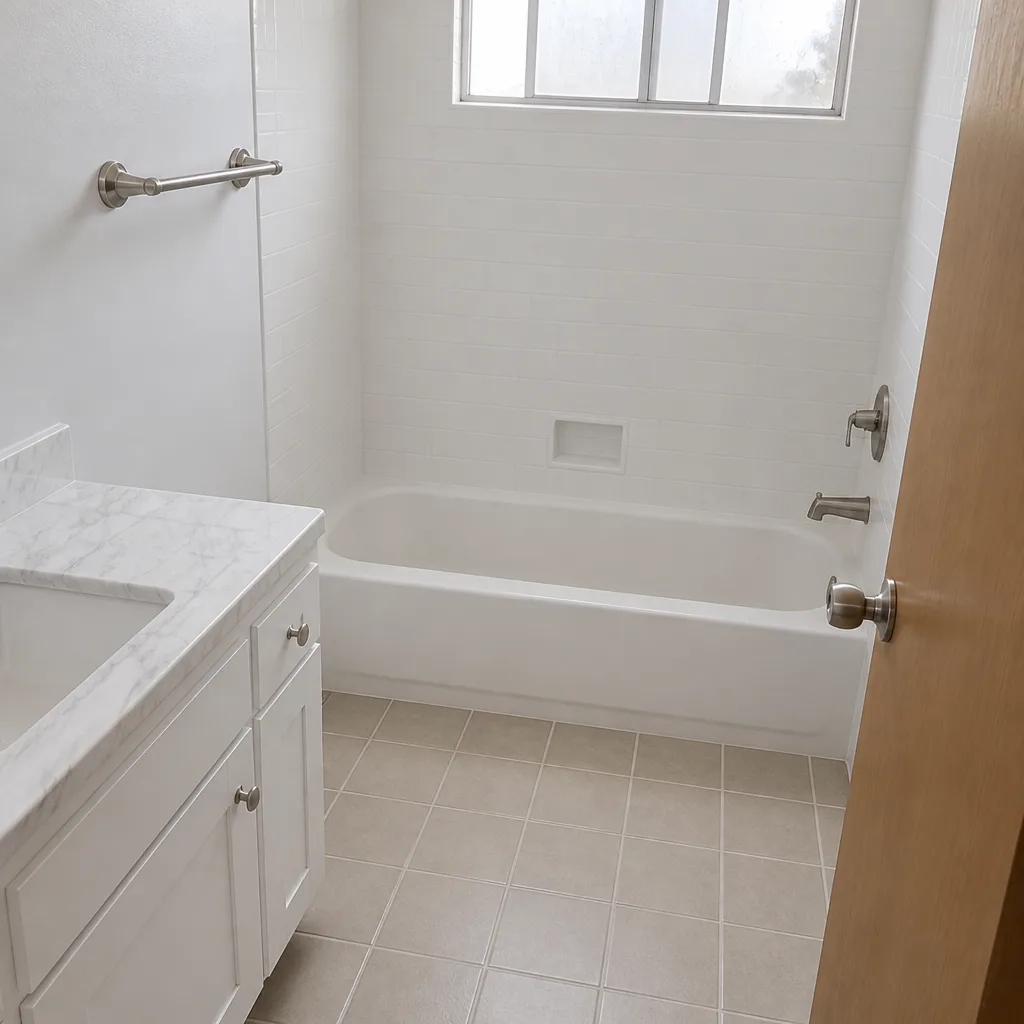
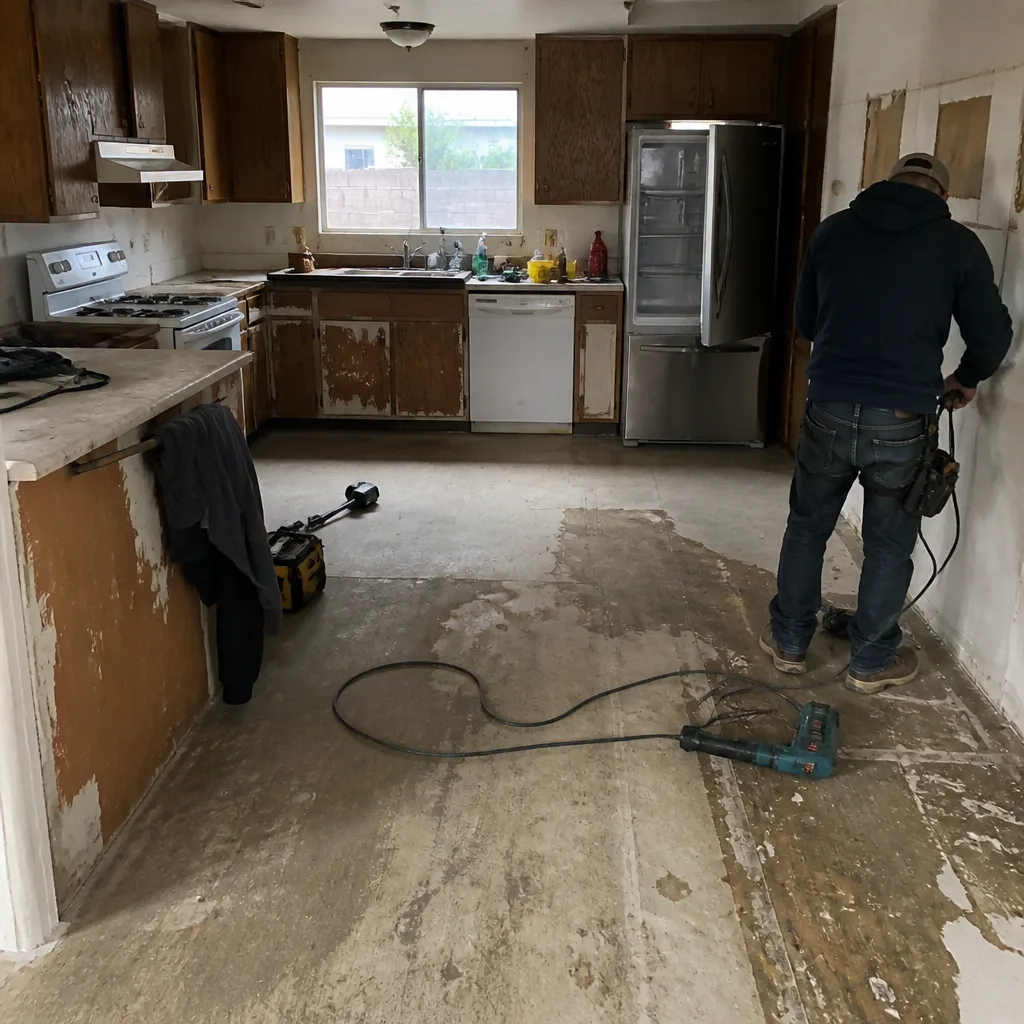
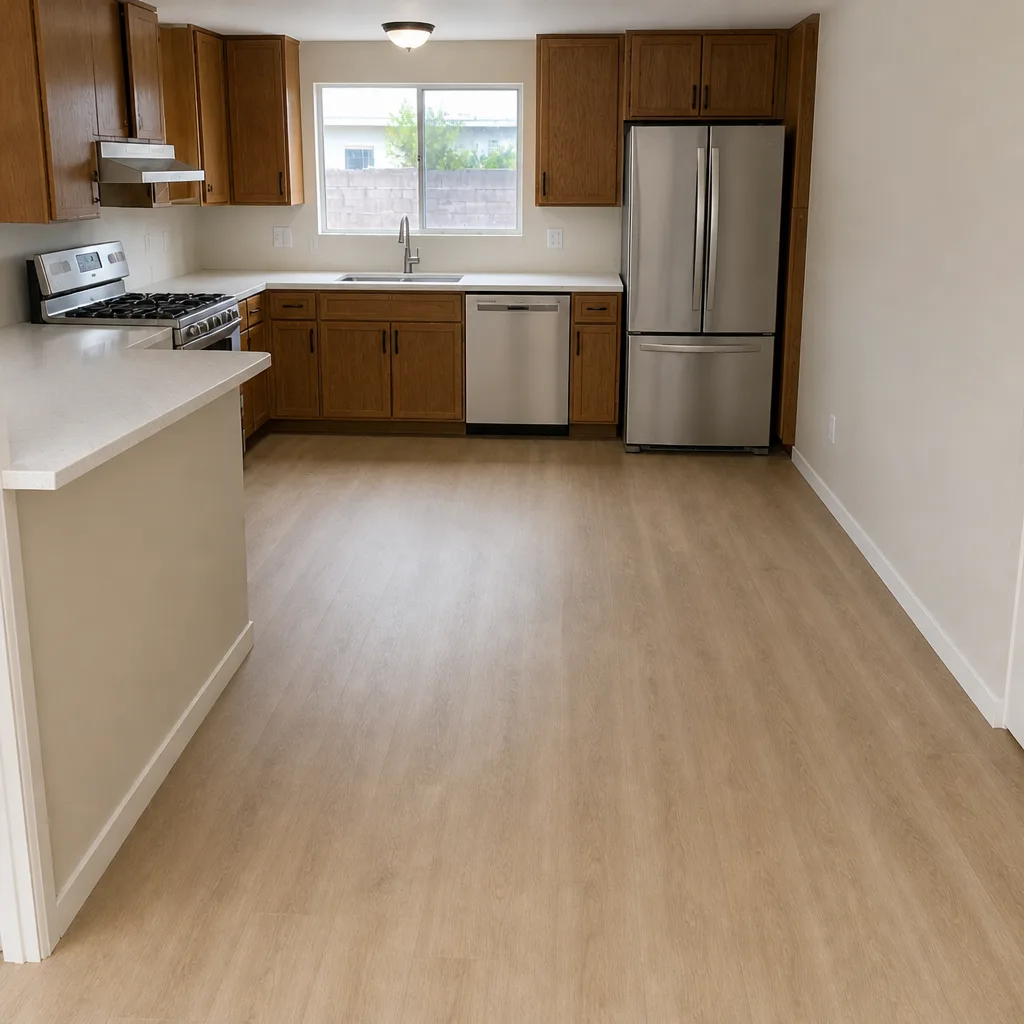
See the difference
 Before
 After
 Before
 After
 Before
 After
Frequently Asked Questions
Emergency repair costs vary widely by cause and scope, from a quick pipe repair to full structural stabilization after storm damage. The price is set per job by a written estimate, and we don’t charge for the estimate itself. Call (888) 345-2603 to schedule yours. We answer 24/7. Fast dispatch from 7am to 7pm, Sunday through Friday.
Insurance typically covers sudden storm damage but usually excludes damage from deferred maintenance. That’s why documentation matters so much: photos of the storm event, the damage, and the timeline of your maintenance records all support the claim. Your policy sets the final word, so read the terms and talk to your insurer directly.
Contain the water, protect your belongings, and shut off power to any wet area before touching anything electrical. Don’t climb onto a wet roof. Photograph everything before cleanup, then call a professional for the roof assessment.
Ask for the license number and the certificate of insurance, then verify both with the state licensing board and the insurer. A licensed, insured contractor will provide both without hesitation. It takes under 10 minutes and it’s the single best protection against price-gouging and liability.
Emergency tarping on a low, safe-to-access roof can sometimes be done by a careful homeowner, but anything involving height, a steep pitch, or a wet surface should be left to a trained professional. The risk of a fall or further damage is too high for the savings.
Response times depend on the situation and the time of day. Call (888) 345-2603. We answer 24/7. Fast dispatch from 7am to 7pm, Sunday through Friday. A call outside dispatch hours is booked into the next opening.
The Bottom Line
Construction emergencies in Winchester follow predictable patterns: a roof that fails in a monsoon, drainage that can’t handle a sudden storm, and a pipe that bursts in a hard freeze. Each is preventable with pre-season preparation and each is containable with a specific, practiced response. The homeowners who come through these events cheapest are the ones who already know where their water shutoff is, who’ve photographed their home, who’ve vetted a contractor, and who know the difference between mitigation and unauthorized alteration. Build that protocol now, while the sun is out and the pipes are warm. When you’re ready for a professional assessment, construction Winchester’s full-scope team offers free estimates. Our technicians have up to 14 years of experience across roofing, plumbing coordination, structural work, and exterior repair. Call (888) 345-2603. We answer 24/7. Fast dispatch from 7am to 7pm, Sunday through Friday.
Written by the team at Construction Winchester.