Last updated November 18, 2026
Free written scope consultation - allowances, timeline, and change-order rules on paper before a single trade is scheduled
The Complete Driveway & Pavers Guide for Winchester Homeowners
Most driveway failures in the Nevada high desert start six inches below the surface, not at the paver itself. Yet almost every buying guide opens with color charts and paver shapes, as if the visible layer were the whole decision. In Winchester, that assumption costs homeowners dearly. The soil profile under your lot and the way the base is built matter far more than whether you choose a tumbled cobble or a clean-edged plank. This guide treats material choice, base preparation, and long-term performance as one connected decision. You’ll learn how caliche changes the rules, how sand-set and mortar-set differ in repair cost, how to plan drainage for flash-flood rain, and how to scope the whole job under one contractor.
Quick Answer
A driveway in Winchester needs a deeper, better-compacted base than national installation standards call for, because caliche-heavy soil and freeze-thaw swings punish shallow prep. Choose your paver material second, not first. Plan drainage and permit work into the same scope so one contractor handles grading, base, installation, and the curb or apron details without handoff gaps.
Styles & brands we work with
- Kitchen remodeling
- Bathroom remodeling
- Home additions & ADU
- Roofing
- Windows & doors
- Driveway & pavers
- Fence
Table of Contents
- Why Base Prep Decides Everything in Winchester
- How Caliche Soil Changes Your Base Depth
- Comparing Pavers, Natural Stone, and Permeable Systems
- Sand-Set vs. Mortar-Set: The Repair Cost Decision
- Drainage Planning for Winchester Lot Grades
- How to Scope the Whole Job Under One Contractor
- What a Paver Driveway Costs in Winchester
- Common Mistakes to Avoid
- Frequently Asked Questions
Why Base Prep Decides Everything in Winchester
The base is the part of your driveway nobody photographs and everybody notices five years later. Under a paver surface sits a compacted layer of crushed aggregate, and its job is to spread the load of vehicles, resist water movement, and stay stable through seasonal temperature swings. When that layer is too shallow or not compacted in the right sequence, the surface above it starts to settle, heave, and shift no matter how premium the pavers are.
National installation standards describe a base suitable for a broad range of climates. Winchester doesn’t sit in that average range. The high-desert pattern here means hot summer afternoons that expand the ground and cold winter nights that pull moisture into the soil and freeze it. That freeze-thaw cycling works on any weakness in the base, and it finds it fast. A driveway that looks flawless at handoff can show its first dips and rockers within two seasons if the aggregate wasn’t placed in lifts and compacted at each stage.
What a properly built base involves, in general terms:
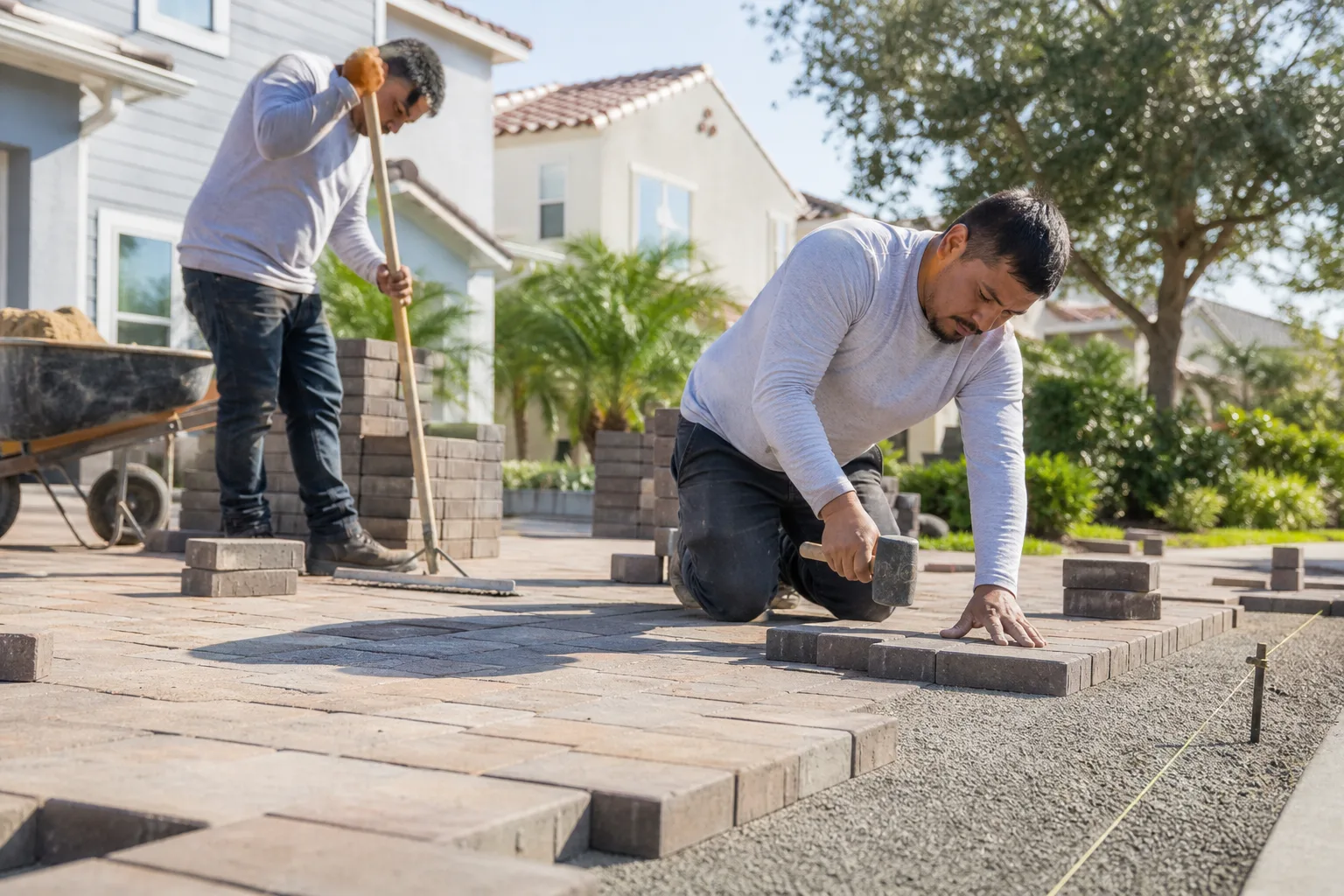
- Excavation to depth: removing enough native soil so the finished base reaches the depth the site actually needs, not a one-size figure pulled from a national manual.
- Aggregate placed in lifts: spreading the crushed stone in layers rather than one deep dump, so each layer can be compacted.
- Mechanical compaction at each lift: a plate or roller compactor working the material before the next layer goes down.
- Moisture control during compaction: aggregate compacts best at the right moisture level, not bone dry and not saturated.
- Final grading to slope: shaping the base so water leaves the driveway instead of pooling against the house or garage.
This is also where the full-scope advantage shows up. Grading, base construction, and the finished surface belong to one sequence, and a handoff between them is where shortcuts slip in. When one team owns every phase, from the driveway to the roofline, the base doesn’t get lost between vendors. If you want to see how our driveway & pavers work is structured from grading through finish, that page walks through the phases.
How Caliche Soil Changes Your Base Depth
Caliche is a naturally cemented layer that forms in arid soils when calcium carbonate binds sand and gravel into something closer to rock than dirt. In Winchester it shows up across many lots, sometimes as a hardpan a foot or two down, sometimes in pockets that surprise a crew mid-excavation. That layer changes how a driveway gets built, and it’s the single biggest reason national installation standards don’t transfer cleanly to this valley.
Here’s why it matters. A caliche layer holds water at its surface and can stop drainage dead. If a base is built directly on top of an impermeable hardpan, moisture trapped above it has nowhere to go, and that water expands and contracts with the seasons. Driveways built that way tend to heave and crack. The fix starts with identifying the layer during the site walk and then handling it deliberately rather than pretending it isn’t there.
The handling sequence for a caliche-affected lot generally looks like this:
- Probe and identify. Confirm where the caliche sits and how thick the layer runs before any depth is set.
- Break up or remove the hardpan where it interferes. Sometimes the layer is scarified; sometimes it needs removal and replacement so water can move.
- Set base depth to the actual soil condition, not a template. A site with shallow caliche and poor drainage needs more structural aggregate than a well-draining lot with deep soil.
- Build the compacted base in lifts. Layer-by-layer compaction is non-negotiable over caliche because load transfer is uneven.
- Plan the outflow. Give water a defined path off the base and away from the foundation.
This is why we ask to see the lot before quoting a number. Two driveways of identical square footage in Winchester can need very different base builds depending on what’s under them. Getting this wrong is expensive to undo later, and it’s the kind of work a homeowner should see priced in the estimate rather than discovered mid-job.
Comparing Pavers, Natural Stone, and Permeable Systems
Once the base is right, material choice becomes an honest comparison of performance, look, and long-term maintenance. Under Winchester’s UV intensity and daily temperature swing, surface materials behave differently from how they perform in milder climates. Here’s how the three main options stack up.
Concrete Pavers
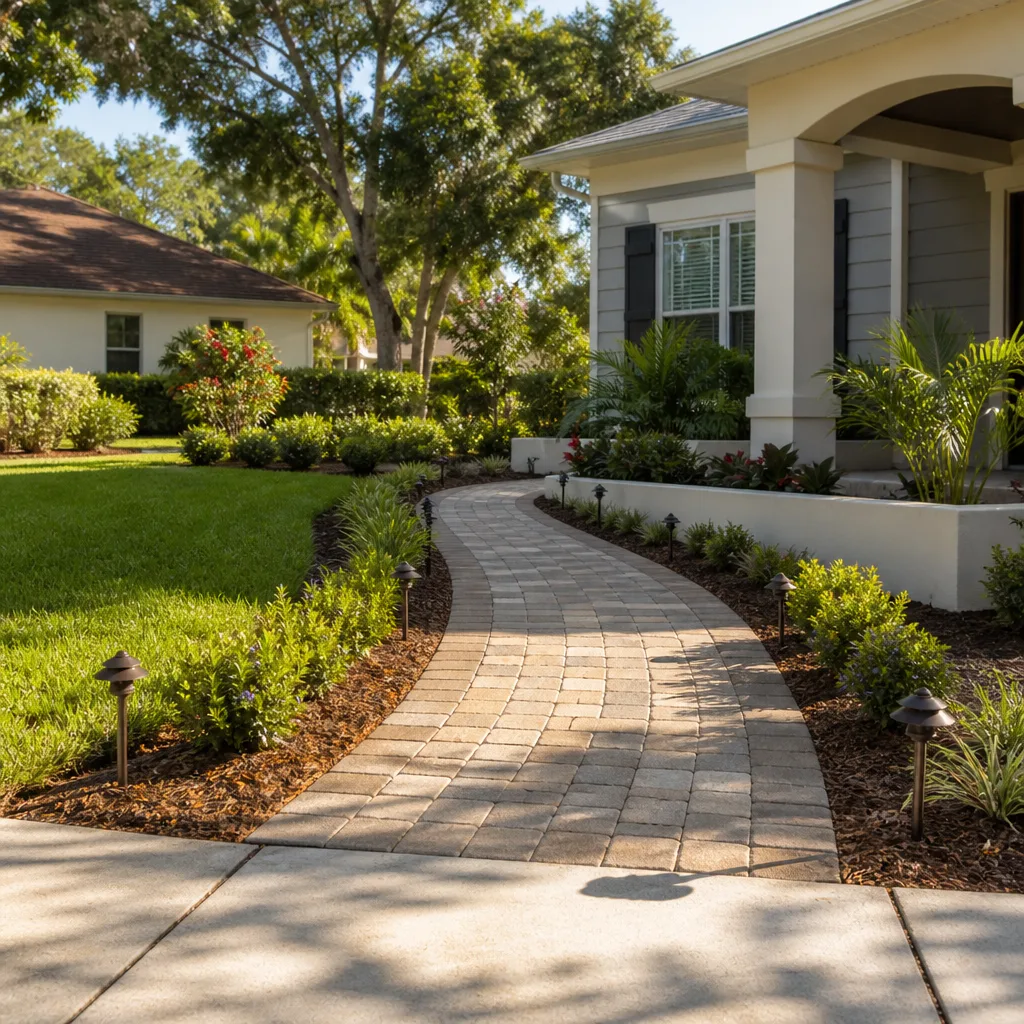
Concrete pavers are the workhorse choice for most driveways here. They hold color well when manufactured for high-UV exposure, they resist fading better than many alternatives, and individual units can be lifted and reset if a section settles. The brand breadth matters: paver collections from Belgard, Unilock, Techo-Bloc, and Tremron give you genuine choices in color, texture, and thickness rather than a take-it-or-leave-it sample board. Concrete pavers handle freeze-thaw well because the surface flexes slightly and transfers movement to the joints rather than cracking a single mass.
Natural Stone
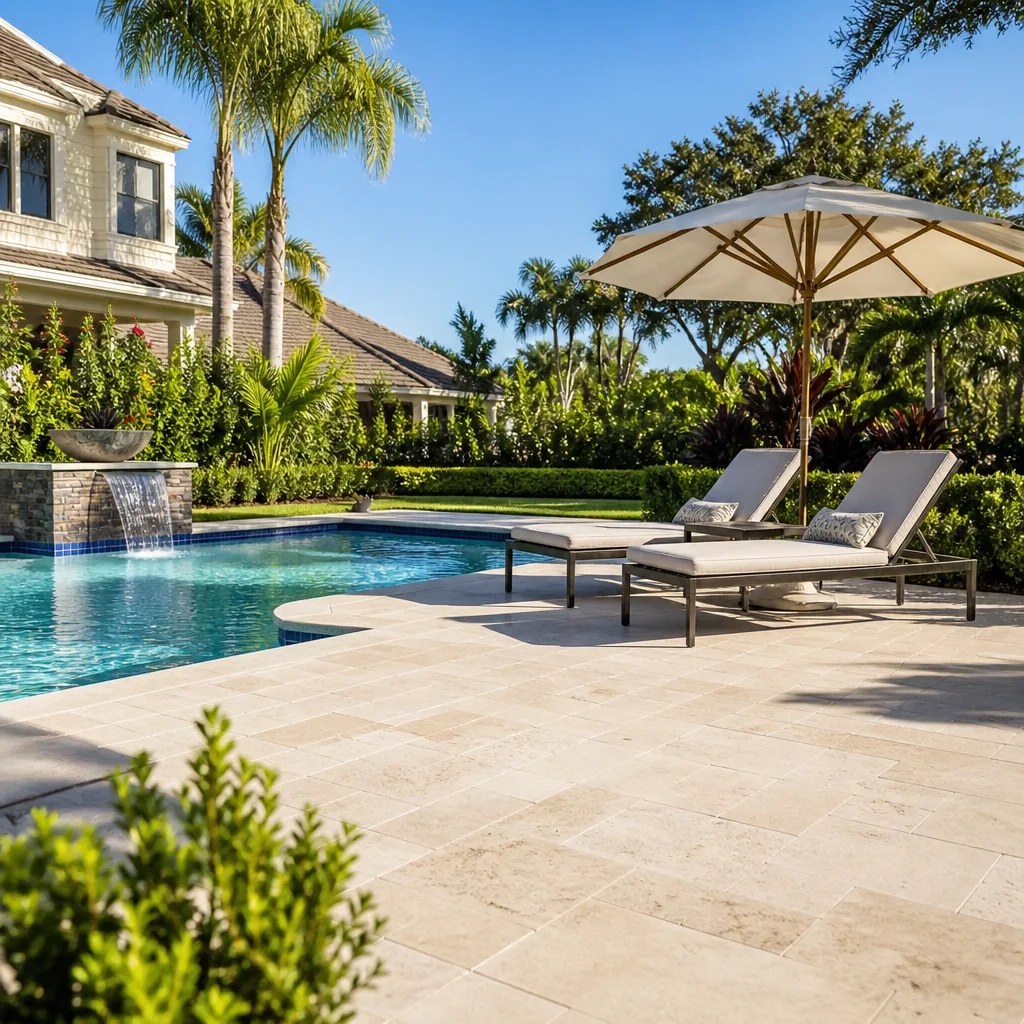
Natural stone, typically sandstone, limestone, or travertine, brings a depth of color that manufactured pavers imitate but can’t fully match. It also runs hotter under foot in summer and can be more porous depending on the stone type, which means sealing and re-sealing become part of the maintenance calendar. Stone looks exceptional in Winchester’s drought-tolerant landscape palette, and it’s a strong choice for homeowners who want a natural finish and are prepared for the upkeep. The tradeoff is cost per square foot and a more careful installation, especially at edges and transitions.
Permeable Pavers
Permeable systems use wider joints or pervious concrete units to let water pass into a specially designed open-graded base and infiltrate the soil. In a region with flash-flood rain events, that’s a real functional advantage, not a green buzzword. Permeable installations cost more up front because the base design is more involved, but they can reduce runoff onto lower lots and cut the standing water that damages non-permeable surfaces. Whether they make sense for you depends on your lot grade, soil drainage, and where the water needs to go.
- Best all-round value in Winchester: concrete pavers.
- Best for a natural, premium finish: natural stone with a sealing plan.
- Best for drainage-challenged lots and storm runoff: permeable systems.
Sand-Set vs. Mortar-Set: The Repair Cost Decision
The sand-set versus mortar-set choice affects long-term repair cost more than the paver brand or the price per square foot ever will. It’s a decision homeowners often overlook because it isn’t visible, yet it’s one of the most consequential you’ll make. Here’s the difference.
Sand-set installations lay pavers over a thin bedding layer of sand on top of the compacted base, and joint sand (often a stabilized or polymeric type) fills the gaps. Individual pavers can be lifted with hand tools if one cracks or a section settles. Repairs are localized, quick, and relatively inexpensive because you’re resetting a small area, not rebuilding a slab. This is the standard approach for most residential driveways and it’s why concrete pavers remain so practical.
Mortar-set installations bond pavers to a concrete slab or a stabilized base with mortar, giving a rigid, seamless surface with tight joints. The finish is elegant and the surface resists weed growth at the joints. But when something goes wrong, repair means removing adhered units and the mortar beneath, which is slower and costlier. For a busy driveway with heavy vehicles and seasonal ground movement, that rigidity can also mean the mortar cracks when the slab underneath shifts.
How to decide
- Choose sand-set if you want the simplest, lowest-cost repairs and your base is built to move slightly.
- Choose mortar-set if you want a very tight, upscale joint line and are working over a stable, well-built concrete base.
- On a caliche-heavy or poorly draining Winchester lot, sand-set usually gives you more tolerance for seasonal ground movement.
- Regardless of choice, ask for the repair approach in writing, because the true cost of a driveway includes how it gets fixed later.
Drainage Planning for Winchester Lot Grades
Winchester’s rain doesn’t arrive gently. When it comes, it comes in bursts, and the water that sheet-flows across a hard surface has to go somewhere. A driveway is, in effect, a drainage structure built from the moment you grade it. Get the slope right and the surface stays functional for years. Get it wrong and water finds your garage, your foundation, or the neighbor’s lot.
Drainage planning for a Winchester driveway usually involves three parts:
- Pitch the surface away from structures. The driveway should shed water toward a defined low point or the street, never toward the house or garage door.
- Manage where water leaves the site. Depending on the lot, that might mean a drainage channel, a dry well, or directing flow to a swale. Permeable pavers are one tool here, not the only one.
- Coordinate with the apron and curb. Where the driveway meets the street, the apron and any curb cut need to shed water correctly instead of ponding at the entrance.
One thing to flag: work that touches the public right-of-way, like a curb cut or a new driveway apron, often requires permission from your local jurisdiction. Rules vary, so check with your city’s building department before the work starts, and have that permit work built into the project scope rather than bolted on later. A lot that slopes toward the house, or sits on a street with a grade, is the most common place where drainage surprises homeowners after the first big rain. Planning it up front is what turns a flash-flood event into a non-event.
How to Scope the Whole Job Under One Contractor
The most expensive part of a driveway project is often the seam between one contractor and the next. When grading goes to one company, base to another, pavers to a third, and the curb to someone else again, the gaps become everyone’s excuse and your problem. Scoping the whole job under one accountable contractor closes those gaps.
A well-scoped driveway project hands one team responsibility for the full sequence:
- Site walk and soil assessment, including caliche identification and drainage review.
- Excavation and grading, with a clear plan for displaced soil.
- Base construction, placed in lifts and compacted at each stage.
- Installation of the chosen paver or permeable system, including edge restraint.
- Apron, curb cut, or permit work, coordinated with the local building department.
- Final grading and cleanup, with the site draining as planned.
If your larger plans include more than the driveway, this is where a full-scope contractor earns its keep. The same company that handles hardscape also manages fence installation, exterior envelope work like roofing and windows, and interior remodeling. That matters when a driveway project intersects with a fence replacement or an addition, because grading, drainage, and elevations have to agree. If you’re planning a guest unit or extension, our home additions & ADU work is scoped on the same principle: one team, one accountable sequence. You can see the entire range of what we manage, from the driveway to the roofline, on our main Construction Winchester page.
When you’re hiring any contractor, ask for a written scope that lists each phase and who’s responsible for it. Ask whether permits are pulled by the contractor and inspections passed before the final surface goes down. Nominal builders will show you a color sample. A serious contractor shows you a base specification, a drainage plan, and a permit line in the estimate.
What a Paver Driveway Costs in Winchester
Paver driveway cost in Winchester depends on square footage, base depth, caliche handling, drainage requirements, and material choice. Because so much of the price sits below the surface, a per-square-foot number from a national guide tells you very little. What we can give you is the general shape of the cost and the factors that move it.
- Concrete pavers: typically the most budget-friendly per square foot, and the simplest to repair.
- Natural stone: higher material and installation cost, plus sealing upkeep.
- Permeable systems: higher cost because the base design and aggregate specification are more involved.
- Base and caliche work: the largest variable on many Winchester lots, since deep base builds and hardpan removal add labor and material.
- Drainage and permit work: apron, curb, and channel work can add to the project depending on what your lot needs.
We don’t publish a fixed number because the honest answer changes with the site. What we do commit to is a written, line-item estimate that separates base work, material, installation, and any permit or drainage labor, so you can see where the money goes. The estimate is free, and the written estimate sets the final price. If you want a real number for your lot, our driveway and pavers team can schedule a walk-through and put it in writing.
Cost factors to compare between bids
- Base depth and compaction method, stated in the proposal.
- How caliche is handled and whether it’s itemized.
- Drainage plan and where water leaves the site.
- Edge restraint specification.
- Whether permit work is included.
- Repair approach and what it will involve later.
Comparing bids on price alone is the surest way to buy a shallow base. Compare the base specification first, then the surface, then the number.
Common Mistakes to Avoid
- Choosing the paver before the base. Color and shape are the last decision, not the first. Every dollar saved on base prep shows up as settlement within a couple of seasons.
- Ignoring the caliche layer. Building over an unbroken hardpan traps water and sets up heaving. Ask specifically how the contractor plans to identify and handle it.
- Spreading base in one deep dump. Aggregate must go down in lifts with compaction between them. A single deep layer looks fine at handoff and fails within a season of freeze-thaw.
- Pitching the surface toward the house. Water that drains to a garage door or foundation will find a way inside. Insist on a plan for where water leaves the lot.
- Forgetting the apron and curb permit. Work in the public right-of-way usually needs local approval. Ask who pulls the permit before the job starts.
- Picking mortar-set without a stable base. Mortar-set over a base that shifts cracks at the joints. Match the setting method to the site, not the photo on a brochure.
- Hiring a surface-only installer. A crew that only lays pavers can’t own grading, drainage, and base prep. Scope the whole job under one responsible contractor.
See the difference
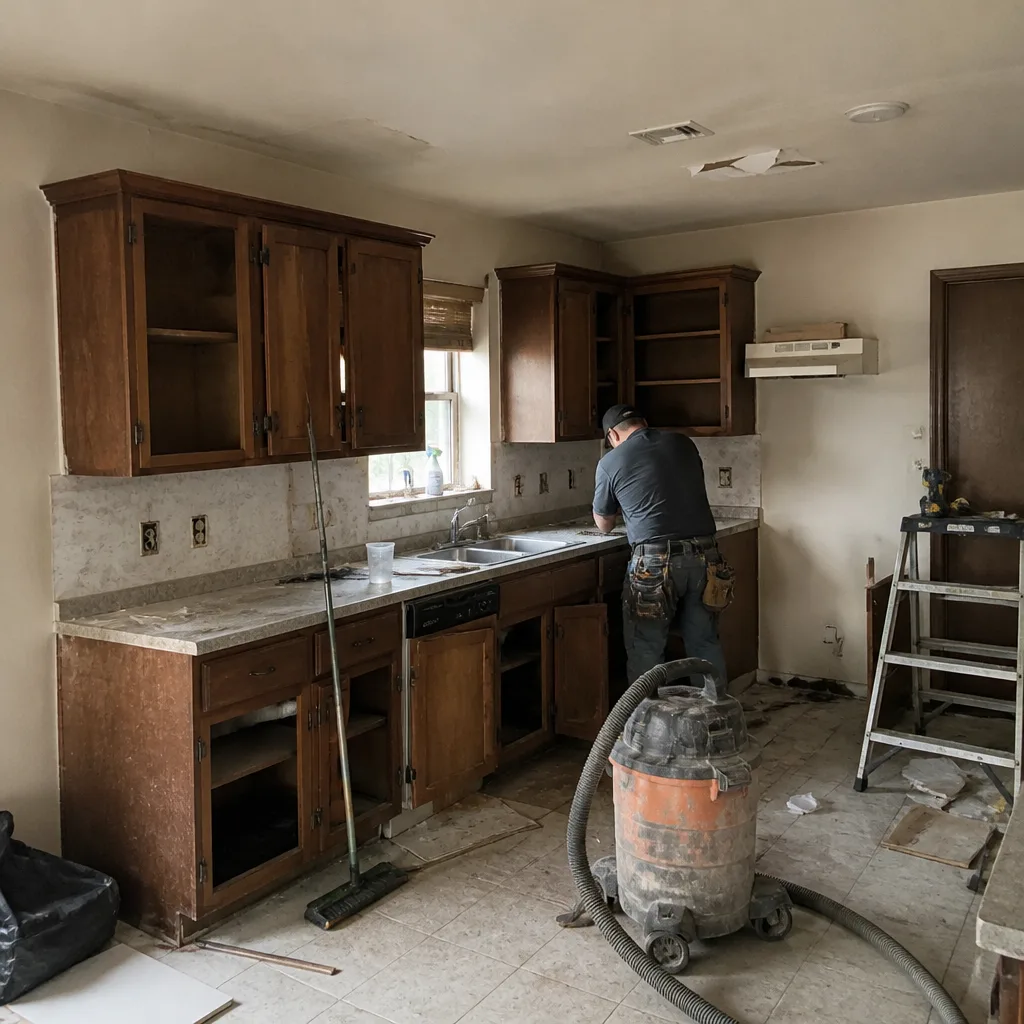 Before
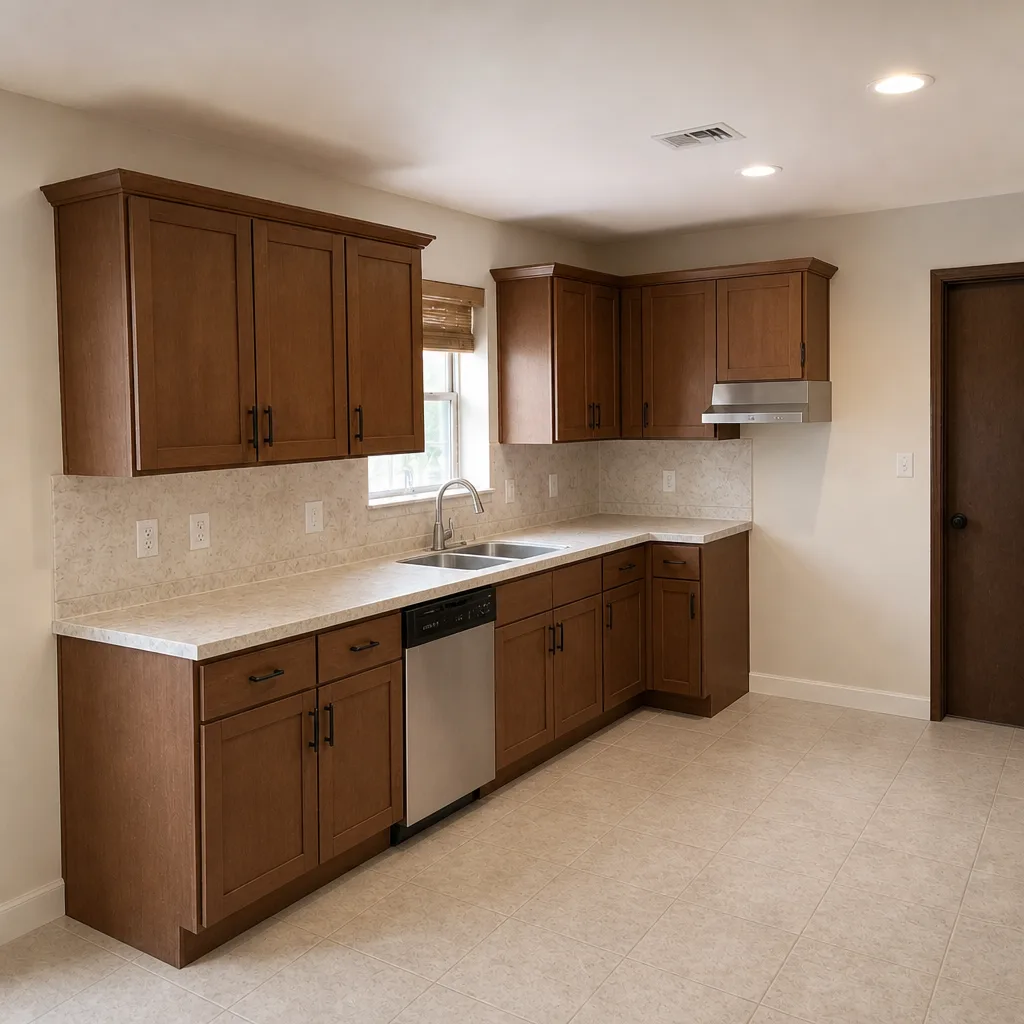 After
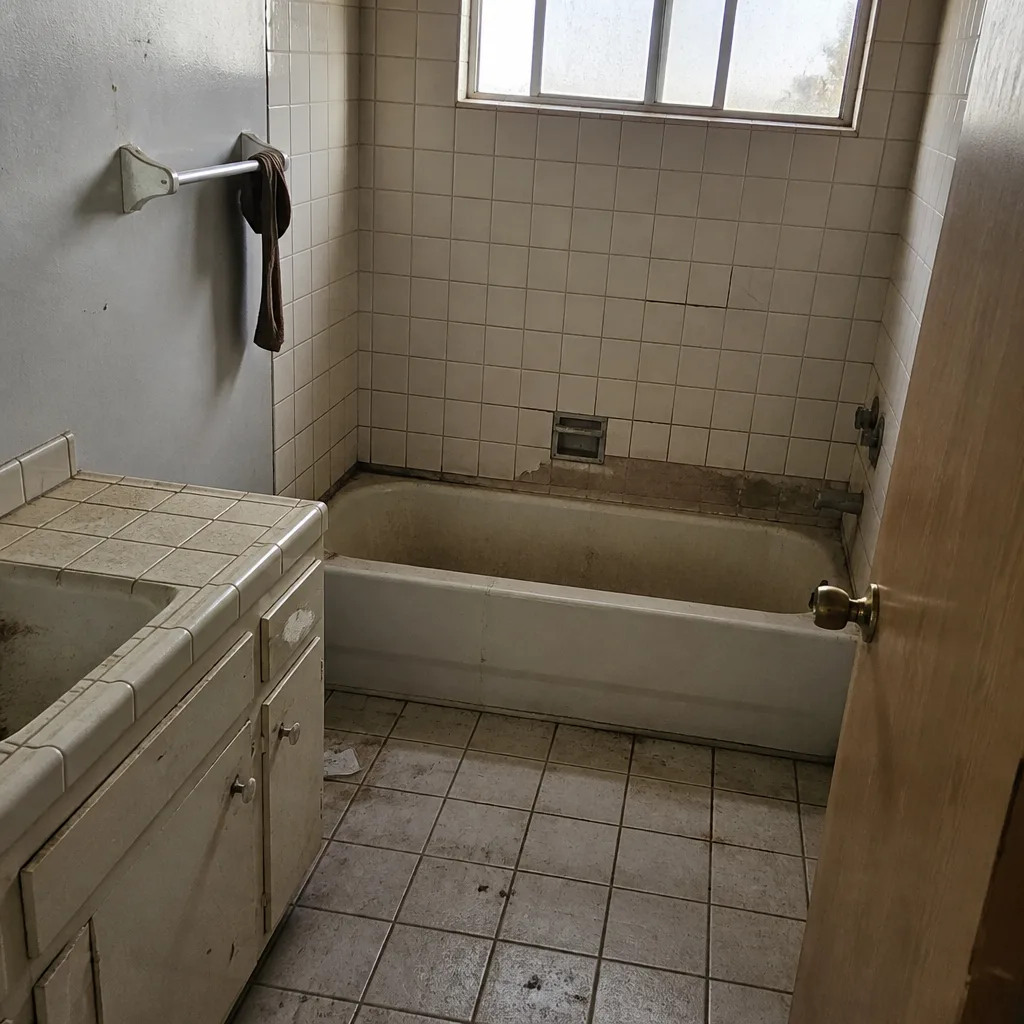 Before
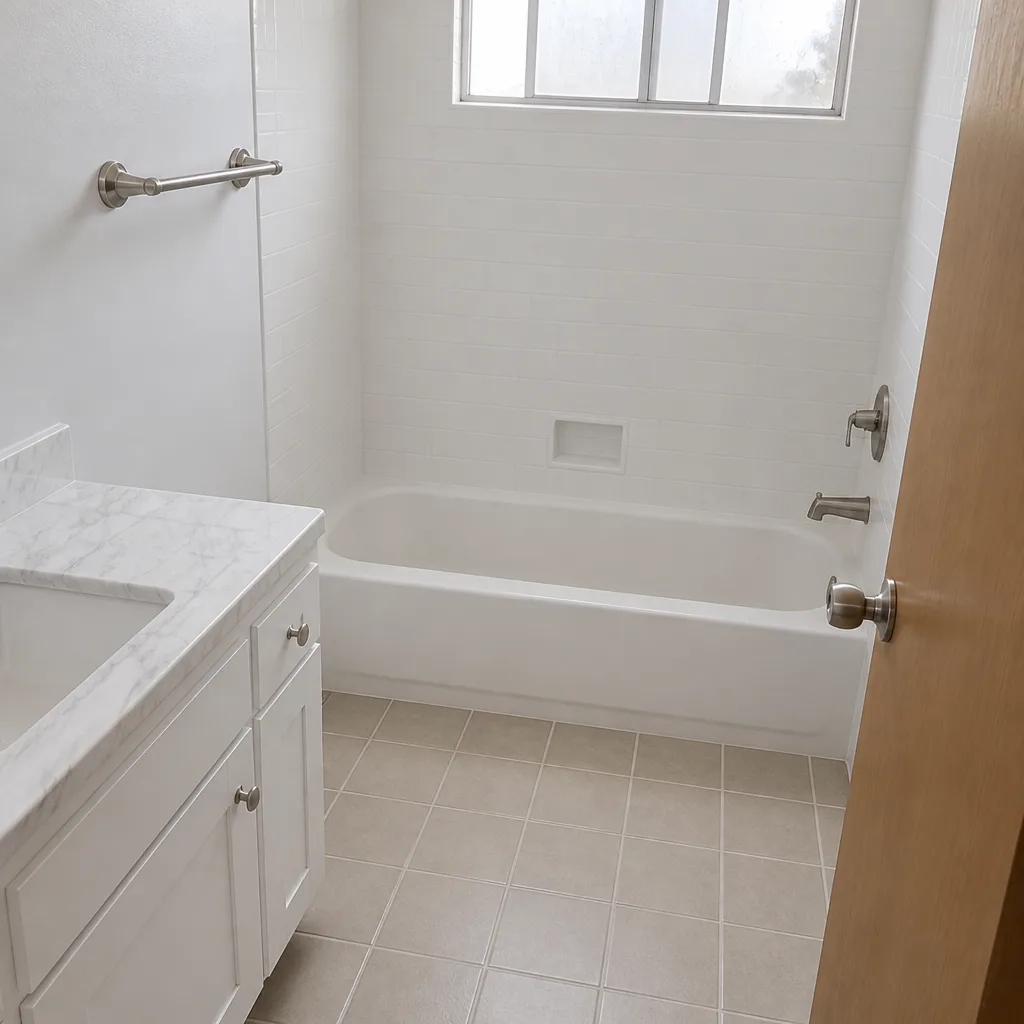 After
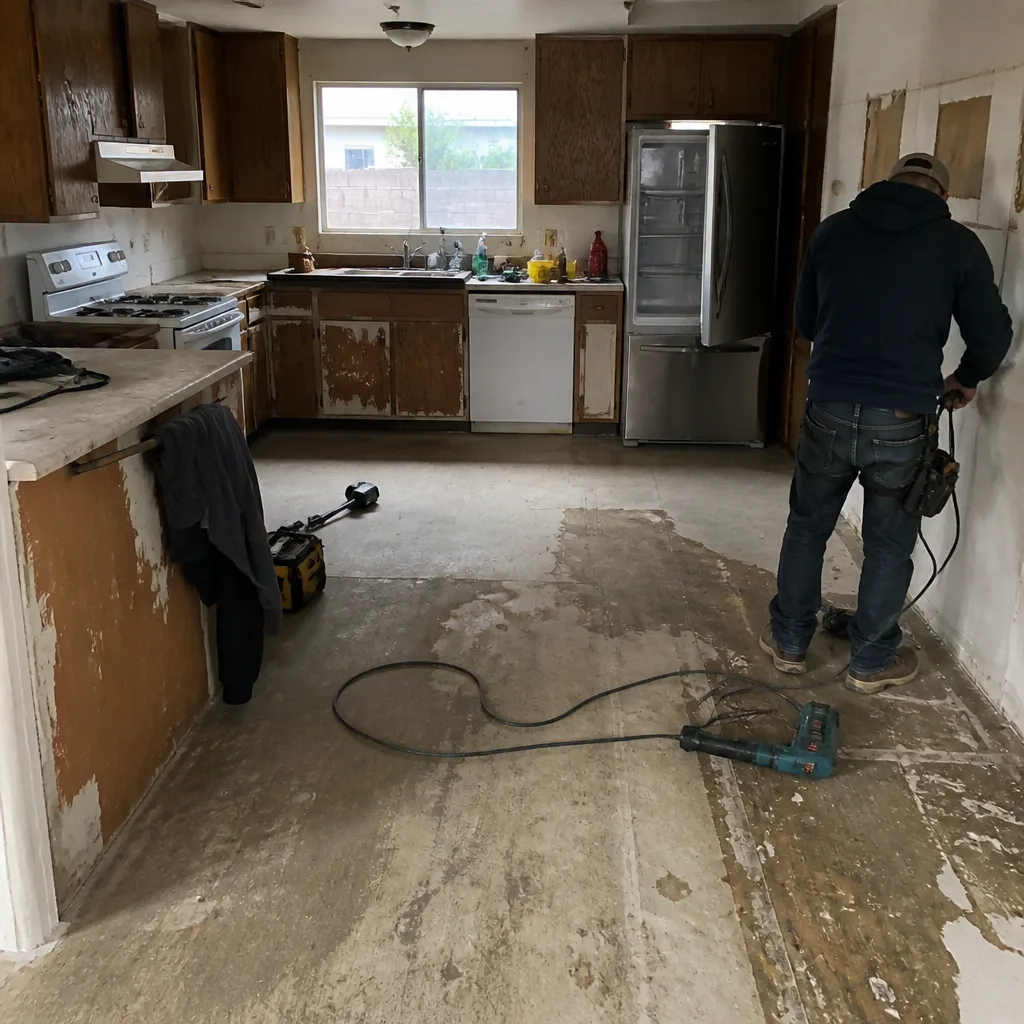 Before
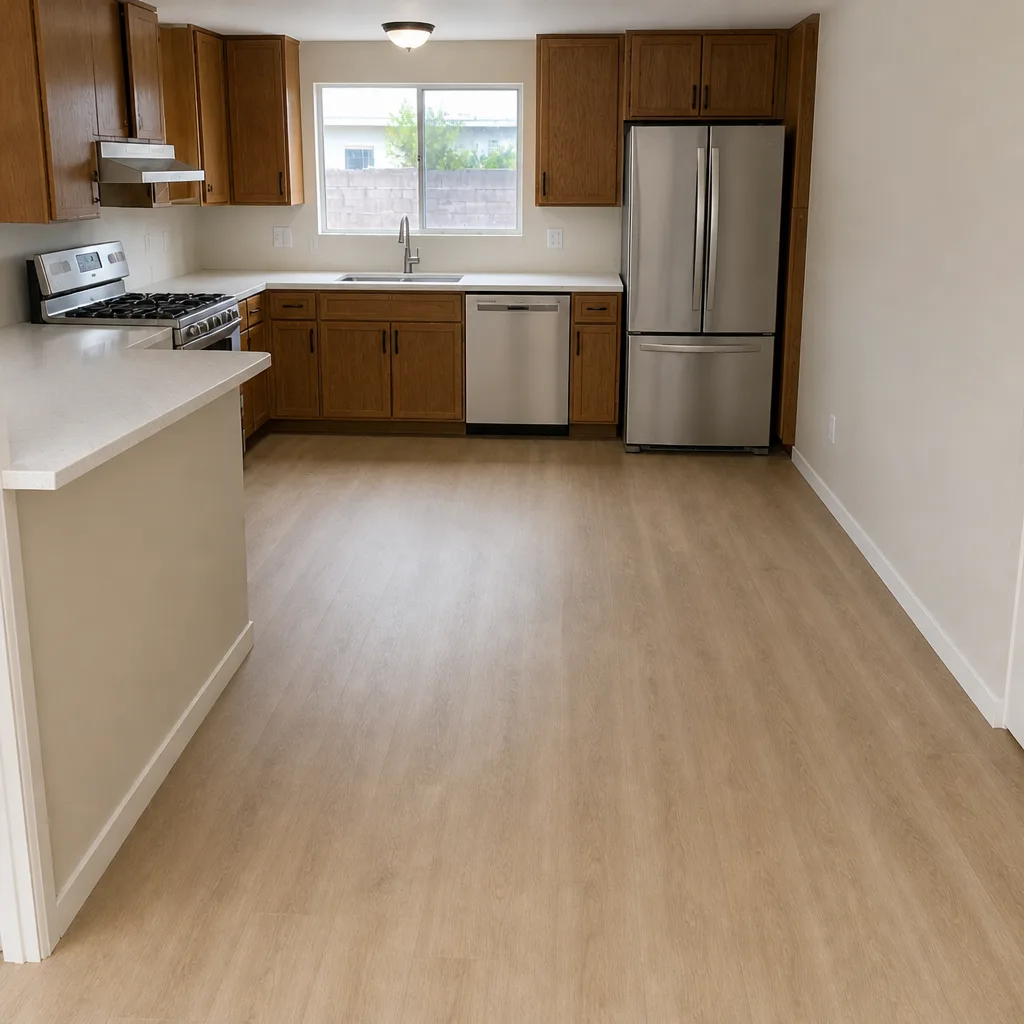 After
When to Call a Professional
Call a professional when the job involves grading, caliche, drainage, or permit work, all of which are common in Winchester. If your driveway is settling, heaving at the seams, or shedding water toward the house or garage, that’s a base and drainage issue, not a cosmetic one, and it needs a proper site assessment. Call a professional if you’re planning a curb cut or apron, since right-of-way work typically needs local approval. Call us if you want a single contractor to own every phase, from excavation through the final surface, and coordinate any fence, roofing, or addition work nearby. Construction Winchester offers free estimates in Winchester, and the written estimate sets the final price. Call (888) 345-2603 to schedule yours.
Safety note: excavation, base compaction, and curb work are heavy, machine-driven tasks near gas and utility lines. Before any digging, call your local utility locate service, and have the contractor confirm utility locations before work starts. Leave trenching, concrete removal, and confined excavation to a trained professional.
Frequently Asked Questions
A paver driveway in Winchester depends mainly on square footage, base depth, caliche handling, and material choice, so the written estimate sets the final price. Concrete pavers are typically the most budget-friendly, natural stone runs higher with sealing upkeep, and permeable systems cost more because the base design is more involved. Call (888) 345-2603 for an exact quote; estimates are free.
Caliche is a cemented hardpan that can trap water above it, which is why base depth and drainage planning differ on affected lots. If a base sits on an unbroken caliche layer without handling, trapped moisture expands and contracts with the seasons and causes heaving and cracking. A contractor should probe and identify the layer before setting depth.
Sand-set is generally more forgiving in Winchester’s freeze-thaw swings and makes localized repairs simple, which is why it’s the standard for most residential driveways here. Mortar-set gives a tighter joint line but is more expensive to repair and less tolerant of ground movement. Ask for the setting method and repair approach in writing.
Yes, on the right lot. Permeable systems help handle buffet-style flash-flood rain by letting water infiltrate through an open-graded base instead of pooling. Whether they fit your property depends on soil drainage, lot grade, and where the runoff needs to go, so it’s a site-specific call.
With a written, line-item estimate, the price shouldn’t move unless the site reveals something outside the scope, such as unexpected caliche or hidden drainage issues. Ask for a clear scope that itemizes base work, material, installation, and permits, and confirm how changes get handled before work begins. Call (888) 345-2603 for a free estimate.
Right-of-way work such as a curb cut or apron usually needs local approval, and whether the contractor pulls it is part of a well-scoped job. Ask before work starts, and have the permit work included in the estimate rather than added later. Call (888) 345-2603 to talk through your lot and schedule a free estimate.
The Bottom Line
A Winchester driveway holds up or fails based on what happens below the surface. Caliche, freeze-thaw, and flash-flood rain are the factors that separate a long-lasting installation from one that settles in two seasons, and none of them show up in a color chart. Material choice matters, but it comes second. Sand-set versus mortar-set has more effect on repair cost than brand or price. Scope grading, base, installation, drainage, and permit work under one accountable contractor so the seams don’t become your problem. Material choice should serve longevity, not just looks; you choose the product, and we handle the build.
Ready for a written estimate? Call Construction Winchester at (888) 345-2603 for a free estimate. We answer 24/7. Fast dispatch from 7am to 7pm, Sunday through Friday.
Written by the team at Construction Winchester.