
Last updated November 18, 2026





Free written scope consultation - allowances, timeline, and change-order rules on paper before a single trade is scheduled
Construction Warning Signs: A Winchester Homeowner’s Reference Guide
Most of what looks like damage on a Winchester home is a symptom wearing a costume. A hairline stucco crack and a 3/8-inch crack can sit twenty feet apart on the same wall, look equally alarming to an untrained eye, and mean two very different things: one is normal thermal movement worth a tube of sealant, the other can point to foundation shift with a repair cost running from a couple hundred dollars to five figures. Reading the difference correctly is the whole skill. This guide teaches you how to look at your own house in Winchester and sort the cosmetic from the structural, the urgent from the patient, so you call a professional at the right moment instead of the wrong one.
Quick Answer
The warning signs that matter most on a Winchester home are pattern cracking in stucco wider than 1/4 inch, doors and windows that stick in dry weather rather than humid weather, roof ponding that lasts more than 48 hours after rain, and white mineral staining or paint bubbling on interior walls near the exterior. Cosmetic hairline cracks, uniform grout shrinkage, and minor seasonal wood movement are usually not structural. When in doubt, get the crack measured and photographed before you assume the worst.
Styles & brands we work with
- Kitchen remodeling
- Bathroom remodeling
- Home additions & ADU
- Roofing
- Windows & doors
- Driveway & pavers
- Fence
Table of Contents
- How to Read Stucco Cracks: Cosmetic vs. Structural
- What Sticking Doors and Windows Actually Tell You
- Roof Warning Signs on Flat and Low-Slope Roofs
- Interior Signs of Exterior Water Intrusion
- Warning Signs of Unpermitted or Non-Code Work
- Foundation and Soil Cues Specific to Caliche Ground
- How to Prioritize Repairs by Cost Trajectory
- A Room-by-Room Walkthrough Checklist
How to Read Stucco Cracks: Cosmetic vs. Structural
Stucco moves. It expands in the summer heat and contracts on cool desert nights, and it will always show some fine crazing over time. That is normal. What you are looking for is not the presence of cracks but the pattern and width of them. On a Winchester home, the single most common misread is treating every crack as a foundation problem, and the second most common is dismissing a serious one as cosmetic.
Here is a practical measuring method. Use a feeler gauge, a set of drill bits, or a business card (roughly 0.010 inch) and a dime (about 0.053 inch) as rough references, then measure the widest point.
- Under 1/16 inch (hairline): Typically thermal or curing shrinkage. Cosmetic. Seal it to keep moisture out and monitor annually.
- 1/16 to 1/8 inch: Watch this one. Photograph it with a coin beside it for scale, note the date, and check again in 60 days.
- 1/8 to 1/4 inch: Time to have it assessed. Not panic, but not silence either.
- Over 1/4 inch, or any crack that is wider at one end: Structural concern. Get an evaluation before the next rainy season.
Pattern matters as much as width. A crack that runs diagonally out from the corner of a window or door opening, in a stair-step shape, is a classic sign of differential settlement. Cracks that run horizontally along a floor line or in a spiderweb cluster radiating from one point are also worth a professional look. Vertical cracks in the middle of a large wall panel are more often shrinkage.
One more Winchester-specific note: stucco applied over wood frame will crack differently than stucco over masonry or foam-backed systems. If you don’t know how your home was built, that’s a legitimate question for a contractor, not a sign you’re overthinking it. A short walkthrough tells an experienced eye more than any homeowner self-assessment. When the cracks are combining with other symptoms, that’s the moment to bring in a partner who handles the whole envelope, from the Construction Winchester framing to the finish, rather than chasing them one at a time.
What Sticking Doors and Windows Actually Tell You
We hear the same assumption from Winchester homeowners: “the door sticks, so the house must be settling.” Sometimes. But in a high-desert climate, sticking doors are more often doing something else. The distinction between humidity swelling and foundation movement matters, because the fix and the urgency are completely different.
Interior wood doors absorb moisture and swell when humidity rises. In a desert town, indoor humidity stays low most of the year, so true swelling is less common than people think. If a door sticks after a monsoon-week humidity spike and frees up a week later, that’s a humidity story. If a door sticks in the dead of a dry July and has gotten progressively worse over two seasons, look elsewhere.
What to check, in order:
- Look at the gap. A door that binds at the top on one side and has a widening gap at the bottom on the other is out of square. That’s a frame or foundation read, not a moisture read.
- Check the strike plate. A misaligned latch that used to catch cleanly and now needs a lift to close suggests the frame has shifted.
- Look at the corners of the door opening. Cracks radiating from the upper corners are a companion symptom to a sticking door.
- Check a level across the floor near the door. A noticeable slope toward one wall, combined with a sticking door, is a stronger signal than either alone.
- Note the season. Write down when you noticed it. A pattern of worsening is more informative than a single stuck door.
Windows have the same logic, with one extra wrinkle: vinyl frames and older aluminum frames move differently. If two or more openings in the same area of the house stick at once, that’s a pattern worth investigating. One sticky door on a hot day is just a sticky door. On the caliche-heavy ground common around parts of Winchester, differential movement is real and can show up first at door frames before it shows up anywhere else.
Roof Warning Signs on Flat and Low-Slope Roofs
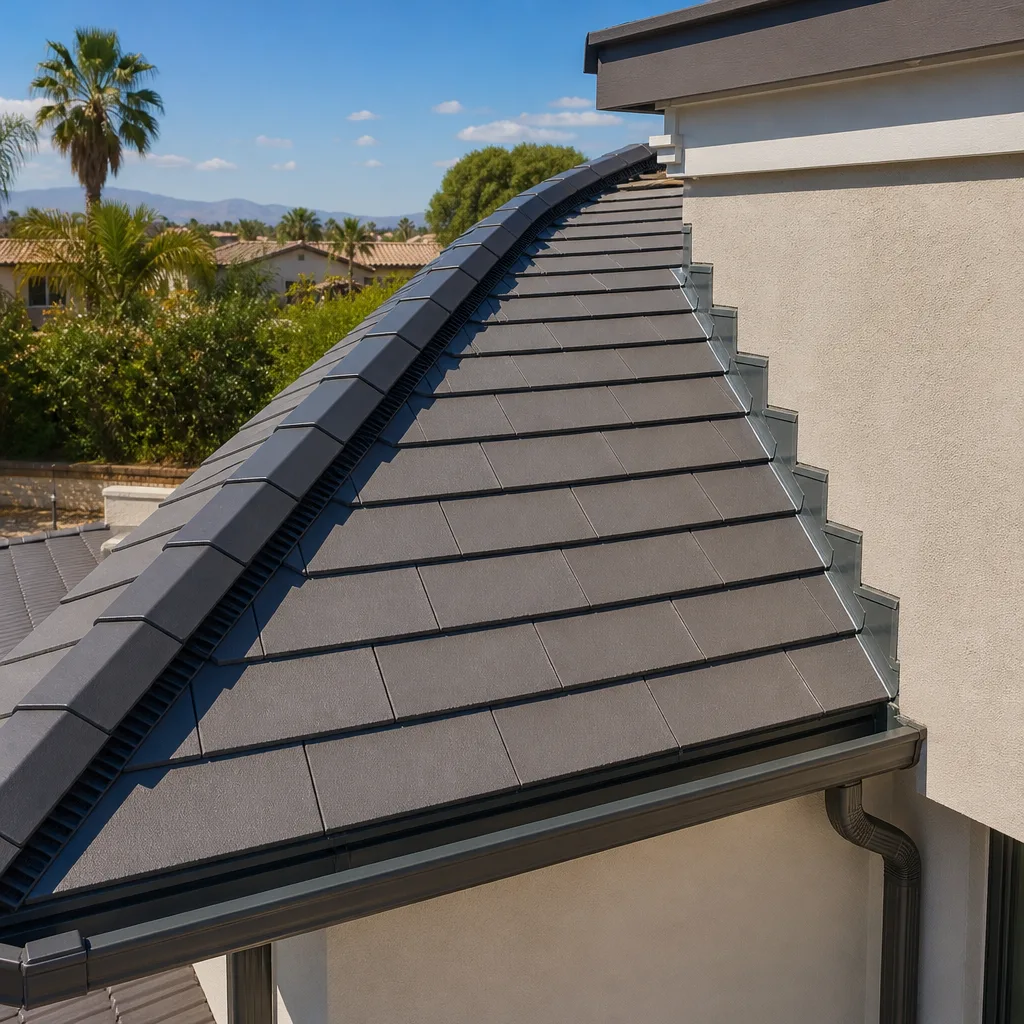
Most desert homes have either flat or low-slope roof sections, and those sections fail on a different schedule than pitched asphalt. Many of the same warning signs exist on pitched roofs, but three are especially worth watching on the flat and low-slope portions that a lot of Winchester homes carry over porches, patios, and additions.
Ponding. Some standing water after a rain is normal on a flat roof. Water that is still there 48 hours after rain has stopped is a drainage or slope problem. Ponding is the slow version of a roof leak: it accelerates membrane wear and eventually finds a seam. Check the roof drains and scuppers before the rainy season, and confirm water is actually reaching them rather than pooling a few feet short.
Blistering. Blisters look like small bubbles or soft raised areas in the membrane. They form when trapped moisture or air lifts the layers apart, and they fail in the sunlight. A blister that has opened is a leak waiting for the next rain. Walk the roof (safely, or have someone walk it) after any significant heat wave.
Flashing separation. This is the one most homeowners miss entirely. Where the roof meets a wall, a chimney, or a parapet, the flashing is what actually keeps water out. Gaps, lifted edges, cracked sealant, or flashing that has pulled away from the wall are direct invitations for water. Check these spots most often, because they fail quietly.
Asphalt shingles are a valid low-slope option on the right pitch, but on a genuinely flat section a membrane system is the correct choice. When you’re ready to talk roof systems, brands like GAF, CertainTeed, and Owens Corning give a real range of options rather than one take-it-or-leave-it offer. More on the full scope of driveway & pavers to the roofline can be a useful way to think about the house as one system, not seven separate contractors.
Interior Signs of Exterior Water Intrusion
You do not need to have seen rain for water to be inside your walls. In Winchester, water intrusion often shows up weeks or months after the event that caused it, which is exactly when homeowners stop looking. Three interior signals are reliable even in dry conditions.
- Efflorescence. That white, powdery or crystalline staining on stucco, brick, or concrete is salt being carried to the surface by water moving through the material. It is a water pathway signal, not a stain. If it reappears after you clean it, water is still moving.
- Paint bubbling or blistering. Paint lifts when there is moisture behind it. When you press a bubble and it feels soft or moves, there’s a moisture source. Bubbles along the base of an exterior wall are more concerning than a bubble around a bathroom fixture.
- Soft drywall near exterior walls. Press gently along the bottom of exterior walls and around window openings. Drywall that gives or sounds dull is holding water. Musty smells in a room with no visible leak are a similar signal.
The pattern matters. Water intrusion at a specific point near a window or door is usually flashing or sealant. Water along a whole wall base is more likely a roof or drainage issue. Water on the ceiling below a flat roof section is almost always roof-related. If you find any of these, get it inspected before the next rainy season, because the cost trajectory goes from “reseal the flashing” to “replace wall sheathing” faster than people expect.
Warning Signs of Unpermitted or Non-Code Work
This is the section of warning signs people most want to skip, and the one that can cost the most at resale. Unpermitted work is a legal and financial liability that transfers with the property. When you buy or sell a home in Winchester, a title search or permit history review can turn up a finished basement, a room addition, or a structural change that was never inspected. If you’re inheriting or considering a home with questionable work, the earlier you identify it, the cheaper the fix.
Look for these signs:
- Out-of-step finishes. A bathroom or kitchen with finishes that look newer than the rest of the house, especially where the work didn’t cross an obvious structural or plumbing line, can be a clue to unpermitted cosmetic or functional work.
- Puzzle-piece framing or wiring. In a basement or attic, are there obvious add-ons, double-jointed framing, or electrical runs that don’t match the rest? Signs of DIY work.
- Missing or mismatched permits. Ask for the permit file at the time of sale. Gaps are the clearest confirmation of unpermitted work.
- Outlet and switch placement that doesn’t follow a plan. Electrical work that doesn’t make sense room to room is sometimes a sign a permit was skipped.
- Structural changes without engineering. Removed load-bearing walls, added spans, or beam cuts that look improvised. If there is a red flag, the fix is not to cover it but to open it up, inspect, and rebuild to code.
When we’re brought in to correct work, we open it, document it, rebuild to code, and pull the permits so the record exists. If you’re planning a structural change of your own, like an addition or an ADU, the permit path is part of the job, not a hurdle to dodge. Products like Plant Prefab or Tuff Shed ADU systems still require local permitting and connection work, and that coordination is where the experience shows: our technicians have up to 14 years of experience finding and correcting work that never went through inspection.
Foundation and Soil Cues Specific to Caliche Ground
Winchester sits on soils that include caliche, a calcium carbonate-rich layer that behaves differently from the clay and sand many homeowners have read about. Caliche is hard when dry and can create localized resistance that, combined with seasonal moisture cycles, contributes to differential movement. That’s why foundation symptoms in Winchester sometimes appear on one side of the house and not the other, defying the neat explanations homeowners look for online.
The practical warning signs to watch for:
- Multiple doors and windows sticking in the same area. One sticking door is weather. Four in one wing of the house is a movement pattern.
- New cracks appearing in drywall above door and window corners. Particularly stair-step patterns, not straight vertical cracks.
- Visible floor slope or new gaps between floor and baseboard. Note where and how long the gap is. A new 1/8-inch gap appearing over a season is worth a look.
- Stucco cracks with a pattern, not just a line. Spiderweb cracking radiating from a corner, or cracks that widen at the top.
- Chimney or porch separation from the main house. A visible gap between an attached element and the main structure is a direct symptom of differential movement.
We do not tell homeowners to open up their own foundation, and you shouldn’t. What you can do is document and call. Photograph each symptom with a coin for scale, note the date, and describe how long it has been happening. An engineer-level evaluation is what separates a $200 cosmetic fix from the larger repair, and a short walkthrough from a contractor who has looked at hundreds of these homes in Winchester is the faster, cheaper first move.
How to Prioritize Repairs by Cost Trajectory
Not all warning signs are equally urgent. The clearer way to sort them is by how fast the repair cost grows if you wait. Sort your list into three buckets, and you’ll know where to spend first.
- Watch and document (low urgency). Hairline cracks, a single sticking door, minor efflorescence that has not returned. Photograph, date, and check again in 60 to 90 days. Do not spend money here yet.
- Fix this season (medium). Roof flashing separation, ponding on a flat section, paint bubbling near a window, 1/8 to 1/4 inch stucco cracks. These get worse with each rain and each hot-cold cycle. Address them.
- Get an evaluation now (high). Any stucco crack wider than 1/4 inch, pattern cracking, multiple sticking openings in one area, visible structure separation, and any sign of unpermitted structural work. These have the shortest time from “manageable” to “expensive.”
The trap most homeowners fall into is doing the easy cosmetic item first and the structural item last, because the cosmetic one is visible and satisfying. On a Winchester home, the money is in the envelope: fix the water path before you replace the paint. That’s where a single contractor who handles the full scope, from the fence installation at the edge of the property to the roof above, matters. You’re not handing a symptom to five different people and hoping they agree.
A Room-by-Room Walkthrough Checklist
Set aside 30 minutes. Bring a notepad, a pen, a coin for scale, and a phone camera. The goal is not to diagnose anything. The goal is to document what you see, with dates, so a contractor can look at a clear record instead of a vague description.
Outside first:
- Walk the full exterior wall line. Note every crack wider than a hairline. Measure the widest point. Note if it’s stair-step, spiderweb, or vertical.
- Look at door and window corners from the outside. Cracks radiating from corners are more significant than cracks between them.
- Check the roof edge and any flashing where the roof meets a wall. Note lifted, cracked, or missing sealant.
- Walk the flat or low-slope sections after rain. Note standing water locations and how long it takes to drain.
Inside next:
- Open and close every interior door. Note which stick, and where. Note if they stuck last year too.
- Press the drywall at the base of every exterior wall. Note any that feels soft, sounds dull, or shows bubbling paint.
- Look up at ceilings under flat roof sections. Note any staining, even faint.
- Check bathroom and utility wall bases for efflorescence or paint lifting.
Repeat the exterior photo set after the next rain, especially the ponding spots. Comparing two photo dates is one of the most informative things a homeowner can bring to an inspection. If the list is long, that’s a sign to get a single look at the whole house rather than treating each item as an isolated mystery, which is exactly the sort of full-scope walkthrough we do. If you’re also considering a bigger project, like a home additions & ADU, addressing what the existing envelope is telling you first saves money on the new work too.
Common Mistakes to Avoid
- Treating every stucco crack as a foundation emergency. Most are thermal movement. Measure the width before you assume the worst, and only escalate when the crack is over 1/4 inch or follows a pattern.
- Dismissing a pattern crack as cosmetic. The opposite mistake is just as common. Stair-step cracks radiating from corners deserve a professional look even if they’re narrow.
- Blaming sticking doors on humidity in a dry climate. In Winchester, sticky doors that worsen over dry seasons point at movement, not moisture. Note the season.
- Repainting over paint bubbles or efflorescence. This hides the symptom and traps the moisture. Fix the water path first, then paint.
- Ignoring a flat roof until it leaks. Ponding and blistering are quiet failures. A roof inspection before each rainy season costs far less than replacing soaked decking.
- Buying a home with obvious unpermitted work without checking the permit file. Ask for the permits, and if the work can’t be documented, treat it as a repair project, not a cosmetic detail.
- Handing one house to five unrelated contractors. Coordination problems are where warning signs get missed. One contractor for the envelope, the roof, and the interior is a cleaner read.
See the difference
 Before
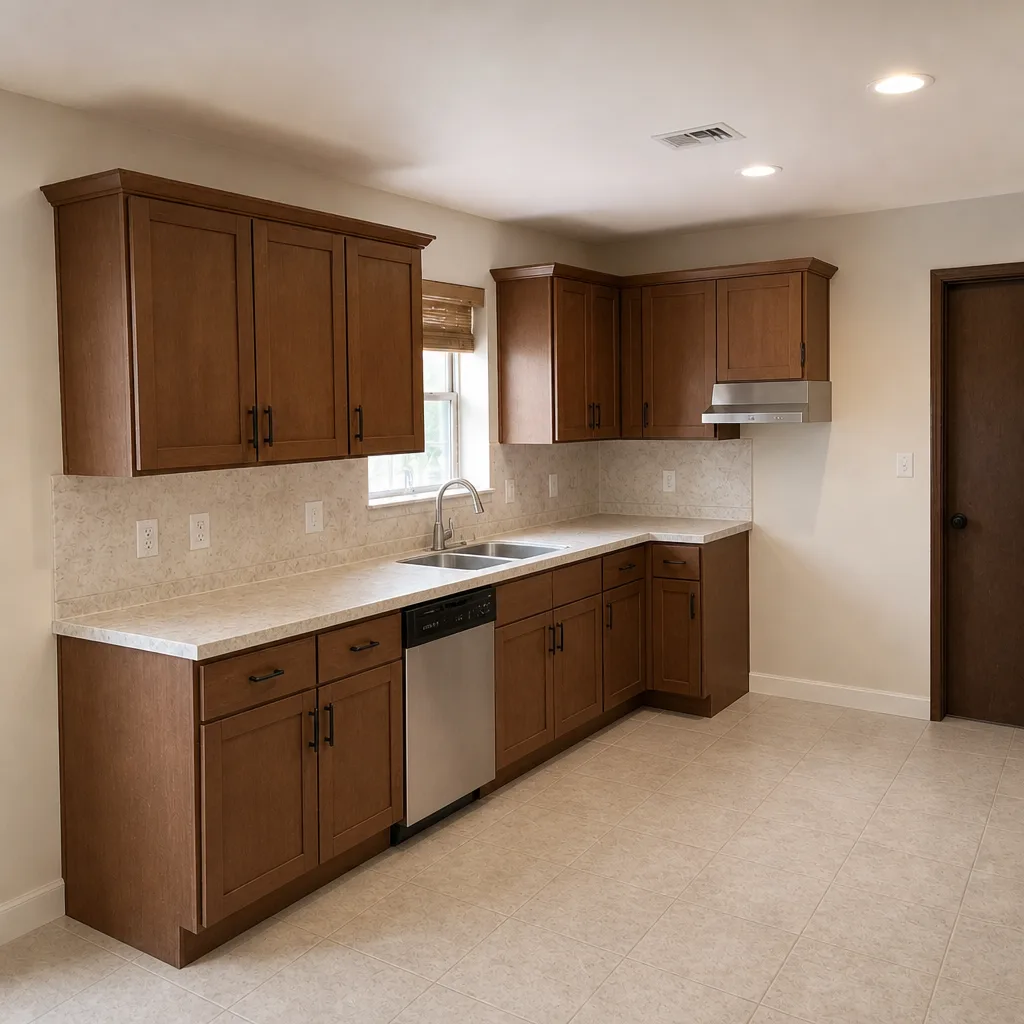 After
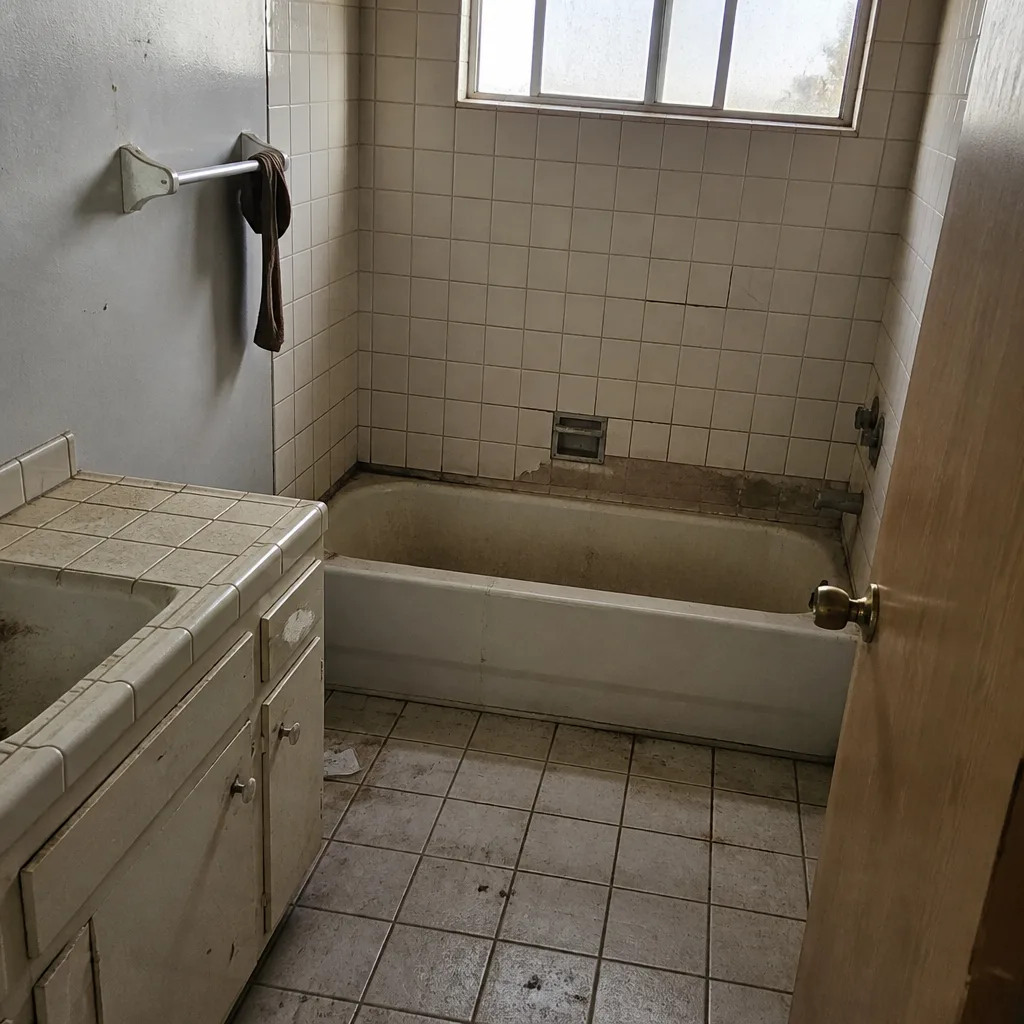 Before
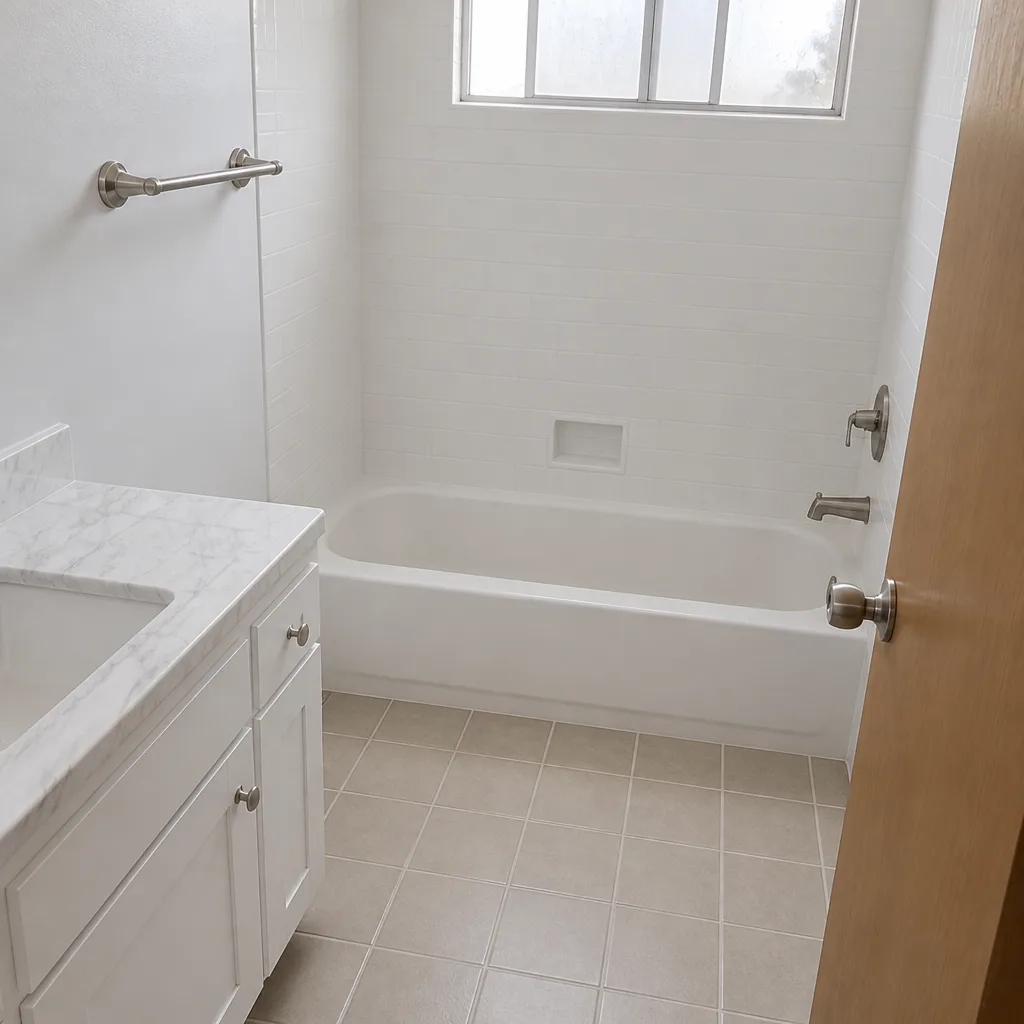 After
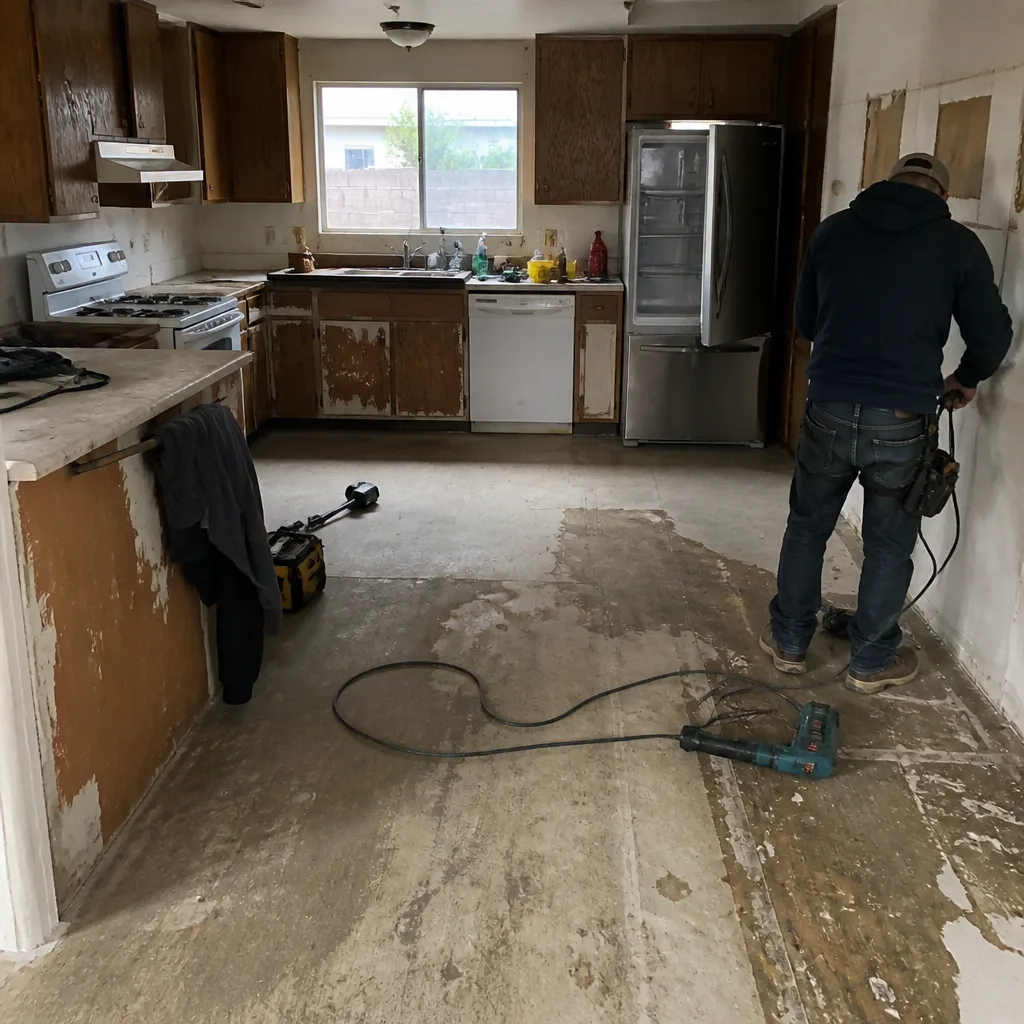 Before
 After
When to Call a Professional
Call a professional when a warning sign has escalated beyond the “watch” bucket: a stucco crack wider than 1/4 inch, a pattern of sticking doors in one area, multiple roof ponding spots after rain, visible separation between an attached structure and the main house, or any evidence of unpermitted structural work. Call when you’re planning a major project and want the envelope inspected first, so you’re not building on top of a symptom. Call when the list is long and you’d rather have one straightforward assessment than a dozen separate opinions.
Construction Winchester offers free estimates in Winchester. We walk the house, read the same signs you’ve been noticing, and give you a written, line-item view of what needs attention now and what can wait. Call (888) 345-2603. We answer 24/7. Fast dispatch from 7am to 7pm, Sunday through Friday.
Frequently Asked Questions

Anything wider than 1/4 inch, or any crack that is wider at one end than the other, is a candidate for a structural evaluation, regardless of where it is on the house. Cracks between 1/8 and 1/4 inch should be measured, photographed, and monitored over 60 days. Hairline cracks under 1/16 inch are usually thermal movement and can be sealed and watched. Call (888) 345-2603 for a free estimate if you’re unsure which bucket yours falls in.
No. A door that sticks only during a humid stretch and frees up afterward is usually a moisture story. In Winchester, where indoor humidity stays low most of the year, a door that sticks in dry weather and has gotten worse over two seasons is more likely a movement pattern. Two or more openings in the same area of the house is the signal to get it looked at, and a walkthrough can confirm it quickly.
Water that is still on the roof 48 hours after rain has stopped is a drainage problem, not just slow draining. Check the roof drains and scuppers first, and note where water pools relative to them. Recurring ponding in the same spot accelerates membrane wear and eventually finds a seam. Call (888) 345-2603 and we’ll look at the drainage and membrane together.
Efflorescence means water has moved through the wall material and carried salt to the surface. It’s a water-path signal, not a cosmetic stain. If it returns after you clean it, the pathway is still active and should be located and corrected. Don’t paint over it; addressing the source is the only fix that holds.
Request the permit file from the time you bought the home or from the local building department. Work that was permitted and inspected will be on record. Finishes that look newer than the rest of the house, framing or wiring that doesn’t match, structural changes without engineering documentation, and missing permit records are all signs the work may not have been to code. If you find a gap, treat it as a correction project and get it rebuilt to code.
Yes. Permits and inspections are part of how we work. Whether the job is a correction to unpermitted work or a new project, the permit path is planned in from the start, and the finished work is documented. Call (888) 345-2603 for a free estimate that includes the permit scope.
The Bottom Line
Warning signs on a Winchester home fall into two categories: the ones you watch and document, and the ones you get evaluated now. Learn to measure a stucco crack, note when a door sticks and how the pattern is trending, check the flat roof for ponding and flashing separation, and press the drywall at exterior walls for softness. Keep dated photos. Fix the water path before the paint. And when a symptom doesn’t fit a cosmetic explanation, get a single professional read on the whole house instead of treating each item as an isolated mystery. That’s how a $200 repair stays a $200 repair.
Get a Free Estimate in Winchester

Construction Winchester is a full-scope residential construction partner. We handle the whole house, from the driveway to the roofline: driveways and pavers, fencing, roofing, windows and doors, kitchen and bathroom remodeling, and home additions and ADUs under one contractor relationship. We work with an extensive roster of name-brand manufacturers across trades, including James Hardie siding systems, KraftMaid cabinetry, and brands spanning GAF, CertainTeed, Owens Corning, Belgard, Unilock, Cambria, Silestone, Kohler, Grohe, and Toto. You choose the product; we handle the build. Our technicians have up to 14 years of experience reading the signs a house gives off and getting the repair right. Call (888) 345-2603 to schedule your free estimate. We answer 24/7. Fast dispatch from 7am to 7pm, Sunday through Friday.
Written by the team at Construction Winchester.