Last updated November 18, 2026
Free written scope consultation - allowances, timeline, and change-order rules on paper before a single trade is scheduled
DIY vs Professional Construction: The Winchester Homeowner’s Decision Guide
Painting your own interior walls is DIY. Replacing a window yourself in Clark County without a permit can trigger a stop-work order on a future project and show up as an open violation on your title search. That gap between what feels doable and what’s legally safe is where most Winchester homeowners get into trouble. The real question isn’t whether you’re handy. It’s whether the work touches permit exposure, warranty liability, or the failure points that desert conditions punish faster than milder climates do. This guide draws that line honestly, so you don’t overpay a contractor for work you could safely do, and you don’t void your insurance with work that needed one.
Quick Answer
In Winchester, DIY is fully appropriate for cosmetic work that needs no permit: interior paint, cabinet hardware, light fixture swaps in existing boxes, landscaping, and temporary or low freestanding fencing under the height most jurisdictions allow. Everything that touches the building envelope, structure, electrical, plumbing, gas, or the exterior footprint (windows, doors, roofing, additions, ADUs, driveways, and permanent fencing) belongs with a licensed contractor, because those projects carry Clark County permit requirements and insurance implications that self-completion can’t satisfy. The safe middle ground is partial DIY: you handle finish choices and demolition, the licensed contractor handles anything that gets inspected.
Styles & brands we work with
- Kitchen remodeling
- Bathroom remodeling
- Home additions & ADU
- Roofing
- Windows & doors
- Driveway & pavers
- Fence
Table of Contents
- Projects Where DIY Is Fully Appropriate in Winchester
- Projects That Look DIY Eligible But Carry Hidden Clark County Permits
- How Desert Conditions Punish DIY Installation Errors
- The Real Cost Comparison: Three Common Projects
- What Partial DIY Looks Like in Practice
- Insurance, Resale, and the Paper Trail
- Common Mistakes to Avoid
- When to Call a Professional
Projects Where DIY Is Fully Appropriate in Winchester
There’s a genuine list here, and it’s longer than most contractors will admit. Winchester homes have plenty of cosmetic work that adds real value without touching a permit, an inspection, or a warranty. If the project doesn’t alter structure, doesn’t change the exterior footprint, and doesn’t touch electrical, plumbing, or gas beyond a like-for-like swap, you can usually take it on with confidence.
These projects are safe to self-perform:
- Interior painting of walls, ceilings, and trim, provided you’re not covering up damage that needs repair first.
- Cabinet hardware swaps – knobs, pulls, and hinges on existing doors and drawers.
- Light fixture replacement in an existing electrical box with the same amperage, with the breaker off.
- Landscaping and planting – trees, shrubs, gravel borders, and low garden walls that aren’t retaining anything.
- Freestanding fencing at heights your jurisdiction allows without a permit, and never on a shared property line without checking the record.
- Interior trim and shelving – baseboards, crown, floating shelves anchored into studs.
- Pressure washing and sealing of exterior concrete and most masonry surfaces.
- Tile backsplash in a kitchen, when it’s a surface application over sound substrate and no plumbing or gas is moved.
None of that requires a licensed contractor in Winchester, and none of it creates a permit or title-search problem. Where homeowners overreach is in the second category: work that looks cosmetic but isn’t.
Projects That Look DIY Eligible But Carry Hidden Clark County Permits
The trap in Winchester is that a lot of work looks like a weekend project until you pull the permit record and find it isn’t. Window replacement, door replacement on an exterior wall, anything that changes the building envelope, and any structural modification or outdoor structure above a certain size all fall under Clark County permitting rules. Unlicensed self-completion of permitted work isn’t just a paper inconvenience. It becomes a legal liability that follows the property.
These are the projects homeowners most often assume are DIY and aren’t:
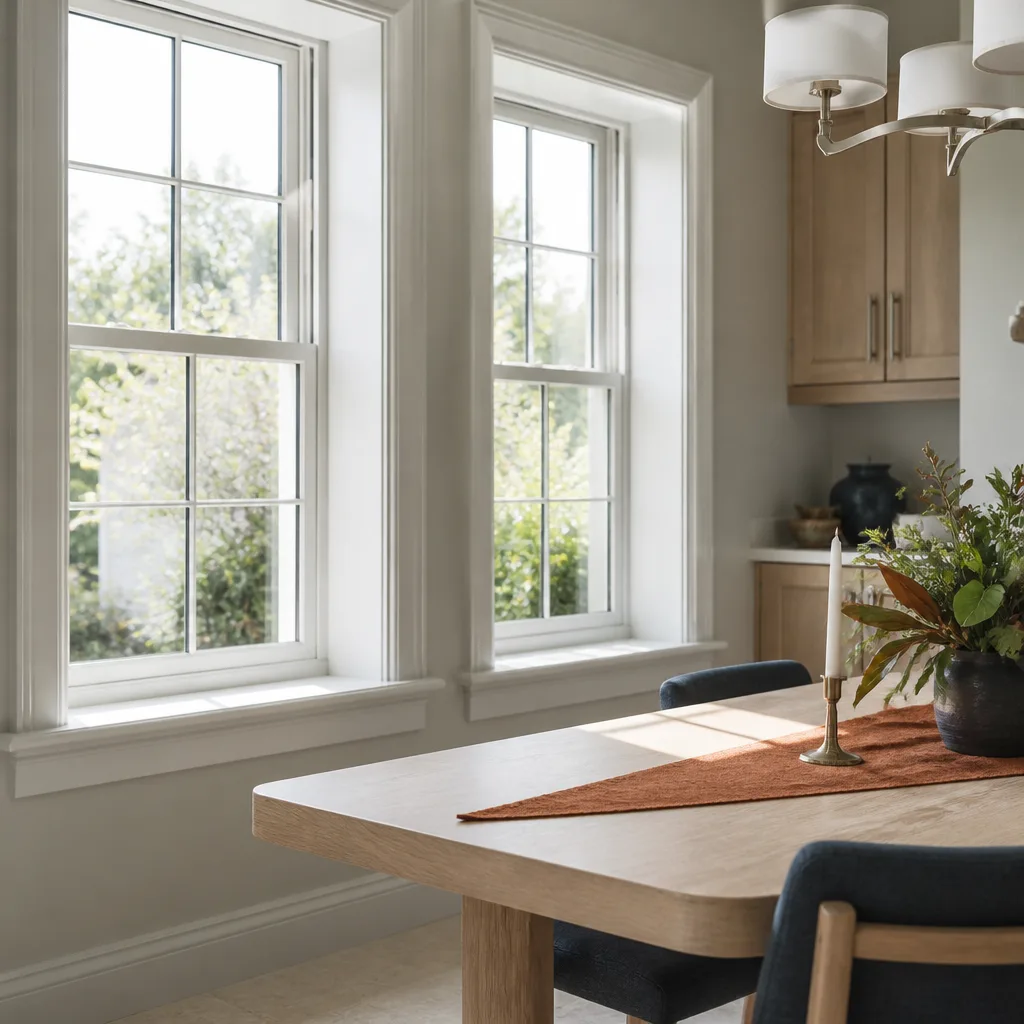
- Window replacement. A like-for-like window swap often still requires a permit because it changes the building envelope and energy compliance record. Self-installation can void the manufacturer warranty and leave an unpermitted alteration on the home’s record.
- Exterior door replacement. Same category. The door is an envelope component, and the permit record matters for resale and insurance.
- Roof repairs that touch more than shingles. Flashing, decking replacement, and any change to the roof structure require a permit. A patch on a single shingle usually doesn’t.
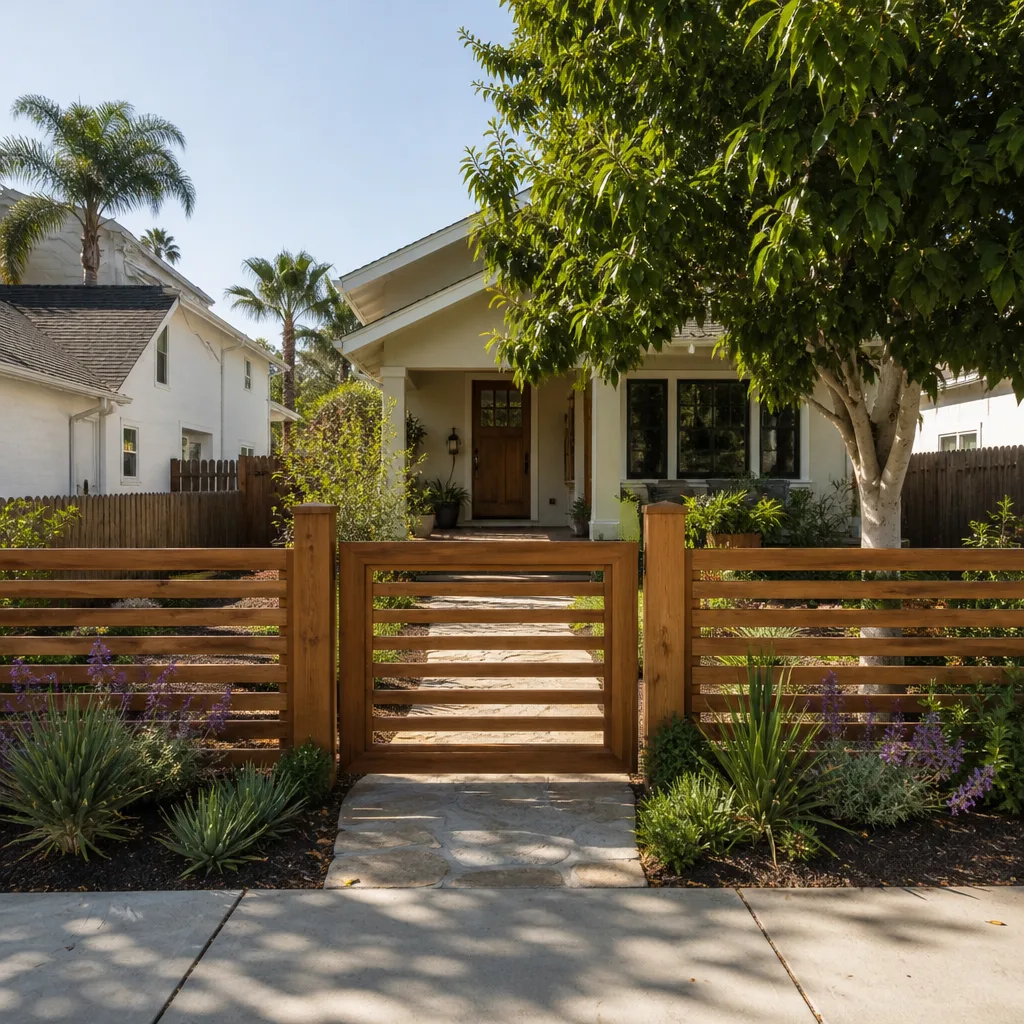
- Fence installation above the local height threshold. Heights and setbacks vary by jurisdiction, so check with the city before you dig. Permanent fencing often requires a permit and a property-line confirmation.
- Driveway replacement or pavers over the public approach. The apron where your driveway meets the street is typically under the public right-of-way, and work there is regulated.
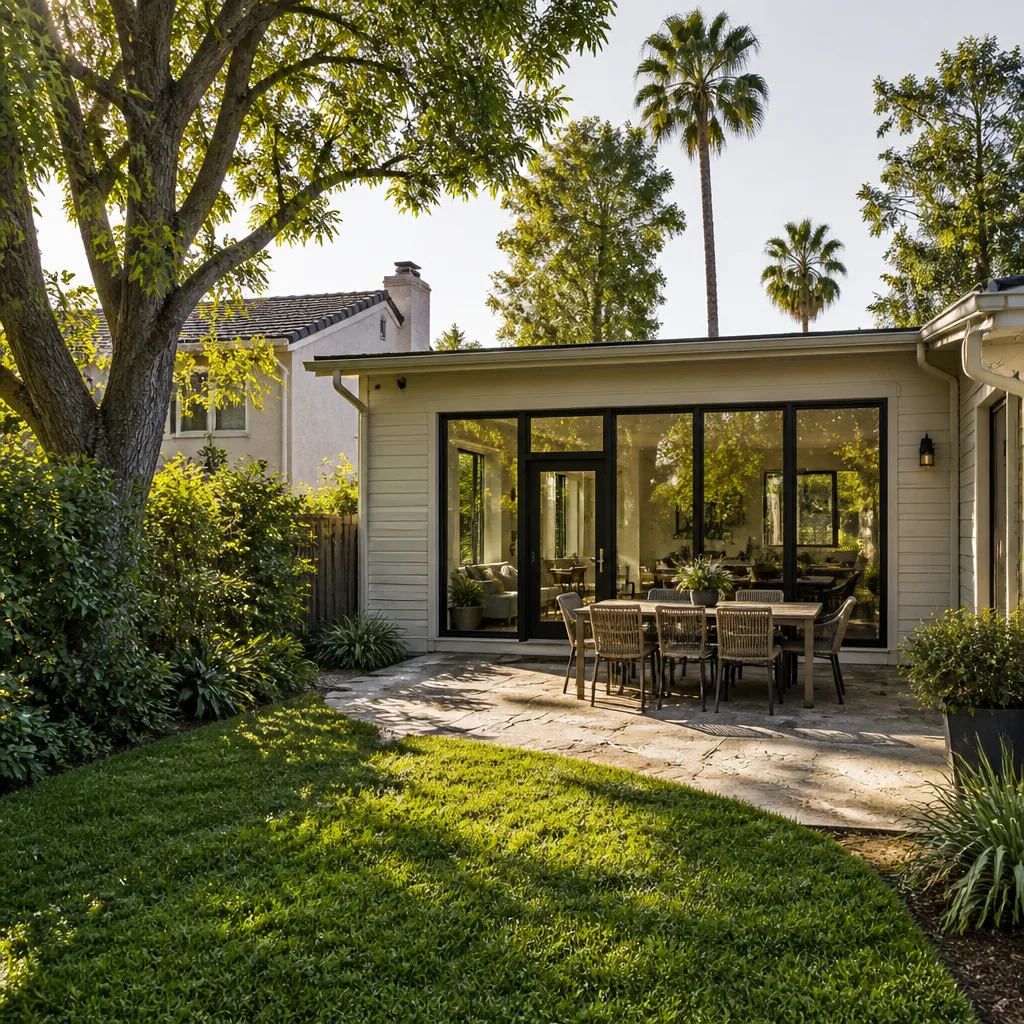
- Any addition or ADU. Structural, foundation, utility, and energy compliance all come into play. This is territory for a licensed contractor with permitting experience.
- Electrical panel changes, new circuits, or moving any plumbing or gas line. Licensed trades only.
The pattern to remember: if the work touches the envelope, structure, or an inspected trade, it needs the permit. If you ever want to sell, an open permit violation is a real obstacle. Our Construction Winchester team pulls permits and passes inspections routinely, and it’s an area where the paperwork is worth having done correctly the first time.
How Desert Conditions Punish DIY Installation Errors
Winchester sits in the Mojave, and that changes the failure modes. Materials that tolerate a humid climate with seasonal rainfall can fail here in a single summer if they’re underspecified or installed with a moderate-climate assumption. UV intensity, low humidity, wide day-night temperature swings, and the occasional intense monsoon dump all stress exterior work in ways milder climates don’t.
Where DIY installation errors show up fastest:
- Roof flashing. Improperly detailed flashing that a homeowner installs to close a gap can look invisible for months and then surprise you at the first monsoon. Water intrusion at a flashing joint is one of the most expensive repairs you can inherit, because it backs into the decking before it shows on the ceiling.
- Exterior caulk specification. Caulk rated for interior use or a moderate climate will fail in a Winchester summer. Exterior elastomeric caulk is what holds up here, and even then the joint prep matters more than the product. Re-caulking with the wrong product is a twice-a-year job; doing it with the right product is a decade-quality job on most joints.
- Paver base compaction. Pavers are only as good as the base under them. Loose base, gravel spec changes to save money, and skipped compaction all lead to shifting panels, sunken corners, and lippage within a season. Underlayment that would survive a mild climate can move under desert moisture swing if the base is spec’d short.
- Exterior paint on masonry. Cooler-climate assumptions about cure times don’t hold in Winchester summers. Paint applied outside the manufacturer’s temperature window adheres badly and chalks within a season.
- Stucco and plaster patching. Color matching and cure in arid conditions require technique most first-time patchers underestimate.
- Window and door sealing. A new window installed without the right flashing, sill pan, and exterior sealant is a leak waiting for the first storm.
None of this means DIY is off the table. It means the margin for error on exterior work is narrower in Winchester than in a climate where a mistake has time to show itself gently. In the desert, a mistake shows up in the first season.
The Real Cost Comparison: Three Common Projects
The honest way to compare DIY and professional bids is to count three things: materials, your time, and expected rework. Most homeowners count the first and skip the other two. Here’s how that math actually works for three common Winchester project types. All figures are rough ranges meant to help you think through the decision. A written estimate sets the final price on the professional side, and it’s free to get one.
1. Interior painting of an average-size room
- DIY materials: roughly $80-$200 for prep, tape, primer, and paint on a single room, depending on paint grade.
- Your time: one to two days including prep and second coat.
- Expected rework: low. A well-prepped DIY paint job on interior walls rarely needs redoing.
- Professional bid: typically several hundred dollars for the room, more when ceilings and trim are included.
- Verdict: DIY is genuinely fine here if you have the time and can prep carefully. Save the professional budget for exterior work.
2. Kitchen backsplash tile
- DIY materials: roughly $200-$600 for tile, thinset, grout, and tools you may not already own.
- Your time: two to four days including layout and grouting.
- Expected rework: moderate. Layout mistakes around outlets and uneven walls are the most common reason a first backsplash gets pulled and redone, which adds cost fast.
- Professional bid: typically a few hundred to low four figures depending on tile and square footage.
- Verdict: a lean DIY if you’re patient with layout and your walls are already square. A professional install makes more sense if you’re using large-format tile, natural stone, or Schluter edging systems where alignment shows.
3. Paver patio or small driveway apron
- DIY materials: roughly $3-$8 per square foot for pavers alone, plus base material, edging, and compaction equipment rental.
- Your time: several weekends for a modest patio, more if you’re doing the excavation and base by hand.
- Expected rework: high. Base compaction done without proper plate equipment, or base spec’d short, is the top reason DIY paver jobs fail within a season in Winchester.
- Professional bid: a per-square-foot figure that includes excavation, compacted base, pavers, edging, and cleanup, and a brand roster that includes Belgard, Unilock, Tremron, and Techo-Bloc.
- Verdict: DIY on pavers is where the math turns against you. The equipment and compaction are the whole job, and the failure mode is expensive. Our driveway & pavers team sees more rework from undercompacted DIY bases than from any other single cause.
What Partial DIY Looks Like in Practice
The best answer for a lot of Winchester homeowners isn’t DIY or full professional. It’s partial DIY, where you take the phases that don’t require a license and the contractor takes the phases that do. This is where you save real money without creating a permit, warranty, or insurance problem.
You can legitimately take on:
- Material selection. Choose your own cabinetry, countertops, tile, and paver style. Big-box runs are yours. The contractor installs.
- Demolition of non-structural finishes. Pulling out old cabinets (after utilities are safely off), tearing out carpet, removing old tile. Confirm which walls are load-bearing first.
- Finish painting. After the trades have finished, the painting is often yours if you want it.
- Landscaping and cleanup around the completed work.
- Site prep that isn’t inspected – clearing, dumping, readying access.
Phases that must stay with the licensed contractor:
- Anything that gets inspected: framing, electrical, plumbing, gas, the permit progress itself.
- Envelope work: roofing, windows, exterior doors.
- Structural work: additions, ADUs, load-bearing wall changes.
- Anything that would void a manufacturer warranty if installed by an unauthorized party, including most window and roofing systems.
If a whole project is on your list, from the driveway to the roofline, our home additions & ADU work is a good example of why one licensed contractor carrying the permit record from start to finish matters. Homeowners who try to split the permit-holding role across two parties usually end up with a compliance gap. A partial DIY plan works best when the licensed scope is drawn clearly up front, which is what a free estimate is for.
Insurance, Resale, and the Paper Trail
The two places unpermitted DIY work bites Winchester homeowners hardest are insurance claims and resale. Both are paperwork problems that surface years after the work is done.
On the insurance side, if a claim is filed for water damage, roof failure, or fire, the adjuster will look at the cause. If the cause traces to unpermitted or code-violating work, the claim can be reduced or denied. That’s true even if the work itself was done carefully. A homeowner who replaced their roof flashing without a permit and later files a monsoon-damage claim can find themselves paying for the repair out of pocket because the installation wasn’t documented.
On the resale side, a title search turns up permit history. Open permits and unpermitted additions both show up, and buyers and their agents ask questions. A single unpermitted window replacement is usually fixable. An unpermitted addition is a five-figure problem that can delay or kill a sale. In our experience, the repair-and-permit process for unpermitted work is often more expensive than the original project would have been done correctly.
Both problems disappear when the work is done under permit by a licensed contractor. That’s the whole game.
Common Mistakes to Avoid
- Assuming a like-for-like window swap needs no permit. In Clark County it often does, because it touches the envelope and energy record. Ask the building department before you buy the window.
- Using interior-rated caulk on exterior joints. A Winchester summer will fail it within a season. Read the label and spec elastomeric exterior sealant.
- Skipping compaction on a paver base to save time. Base compaction is the whole job. Without proper plate equipment, pavers move within the first season and never settle properly again.
- Starting a fencing project before confirming the property line. A fence in the wrong place is a legal problem between neighbors, not a construction problem, and 811 doesn’t cover property lines. Get the survey.
- Assuming your homeowner’s policy covers unpermitted workmanship. It often doesn’t, and an adjuster will ask. Keep the permit record and receipts.
- Doing your own electrical panel work or gas line relocation. Both are licensed-trade territory, and both are genuinely dangerous. There’s no partial version of this.
- Choosing a DIY paver protocol over a compaction spec. The pavers are the visible layer. The base is the build. Underbuilt base, underbuilt patio.
When to Call a Professional
Call a licensed contractor when the project touches the building envelope, structure, or an inspected trade, when a permit is required, when a manufacturer warranty depends on authorized installation, or when the failure mode is expensive enough that a redo would cost more than the original bid. If you’re not sure which side of the line a project falls on, that’s a good sign it belongs with a professional. If you’re planning more than one project and want it under one contractor relationship, that’s the other reason to call. Construction Winchester offers free estimates in Winchester. Call (888) 345-2603. We answer 24/7. Fast dispatch from 7am to 7pm, Sunday through Friday. Our technicians have up to 14 years of experience, and every written estimate is line-item so you can see exactly what’s included. For a both-inside-and-out project, our fence installation and roofing and remodeling scopes all live under one accountable contract.
See the difference
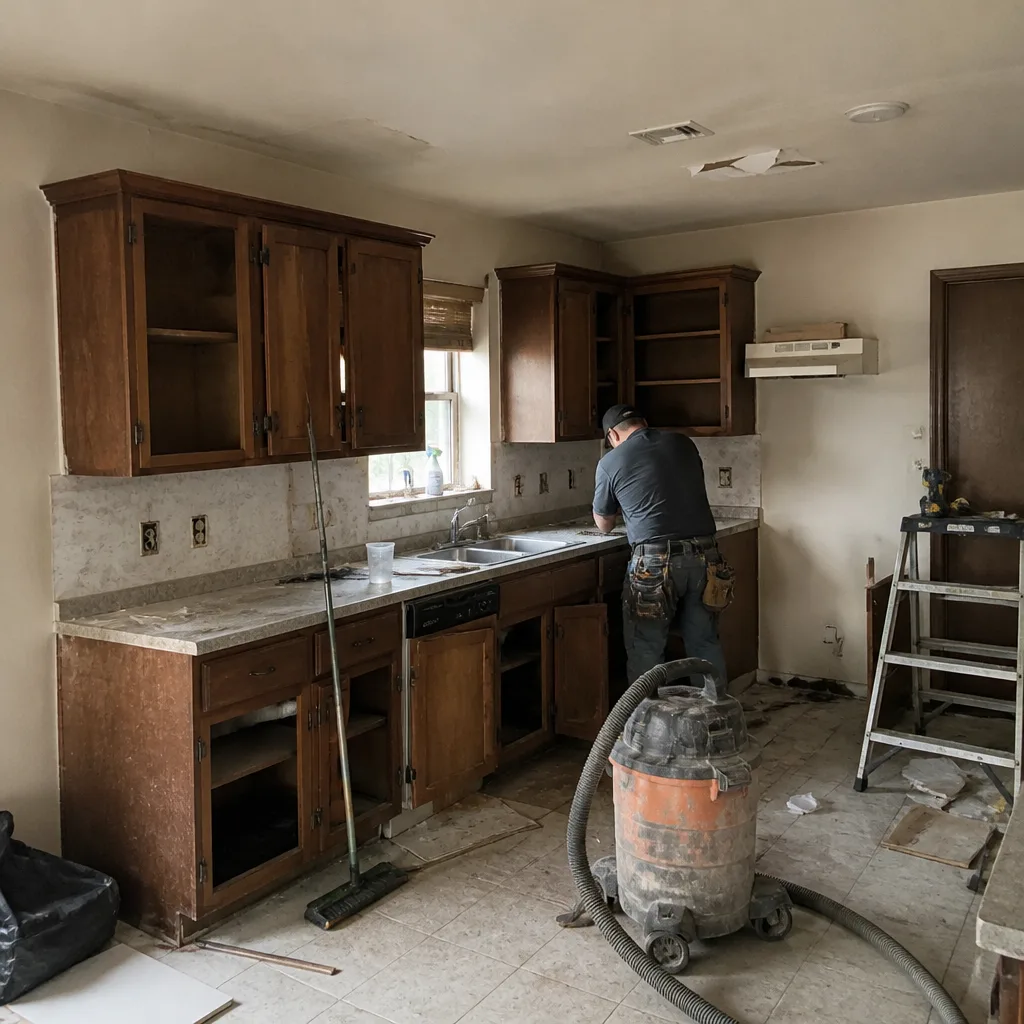 Before
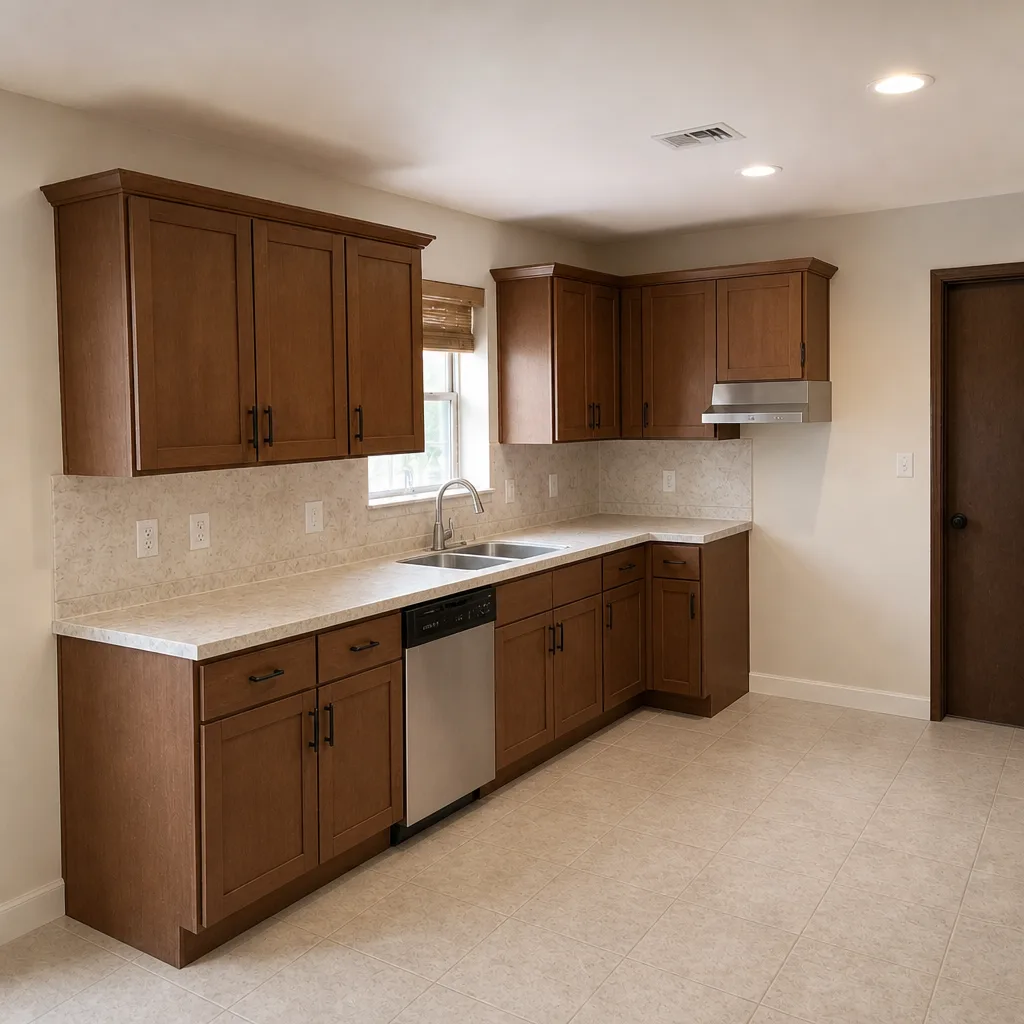 After
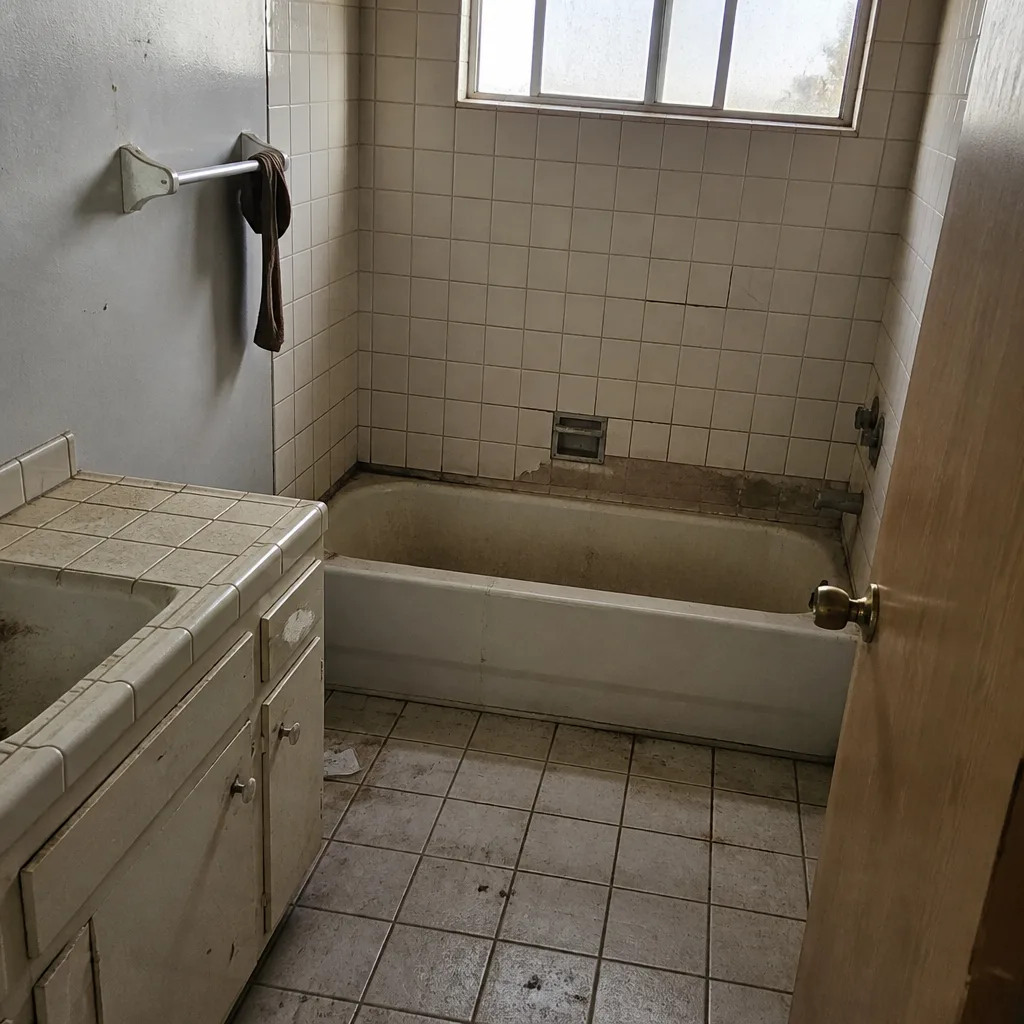 Before
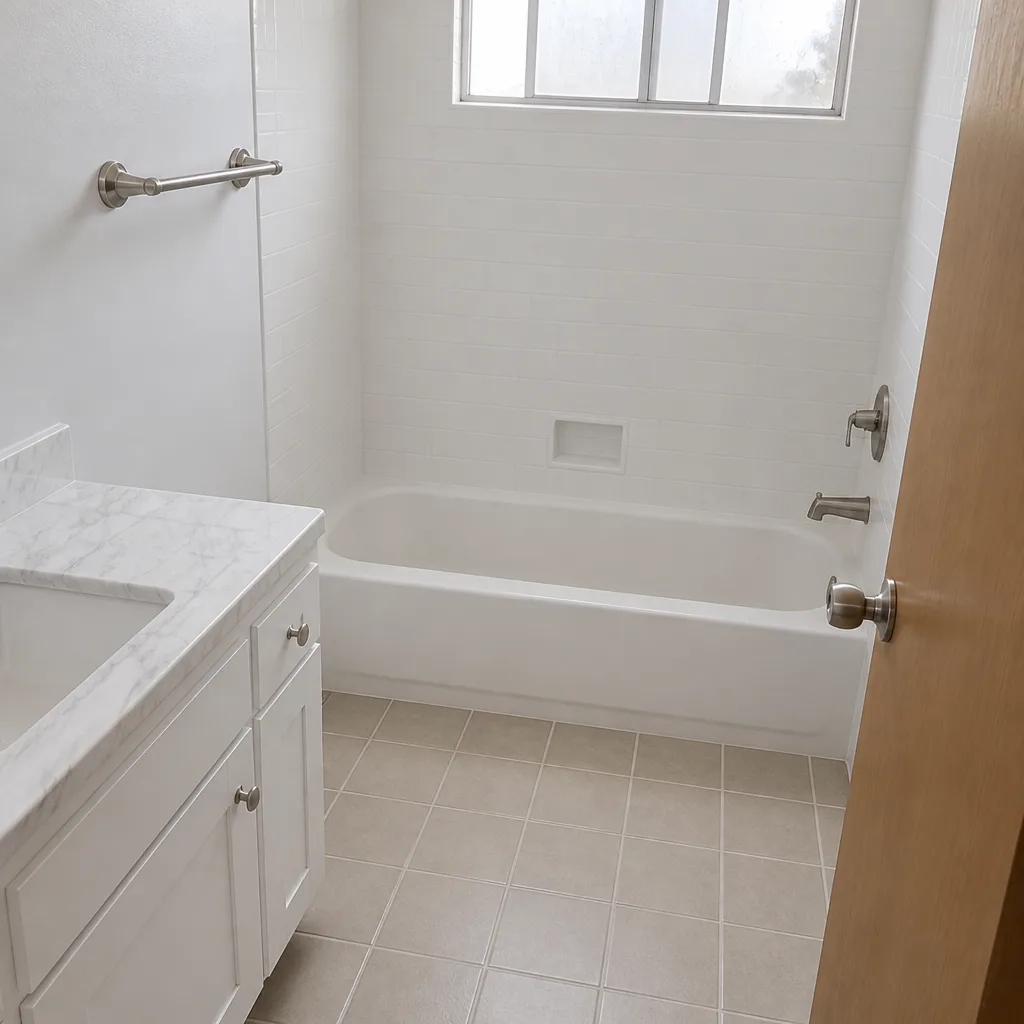 After
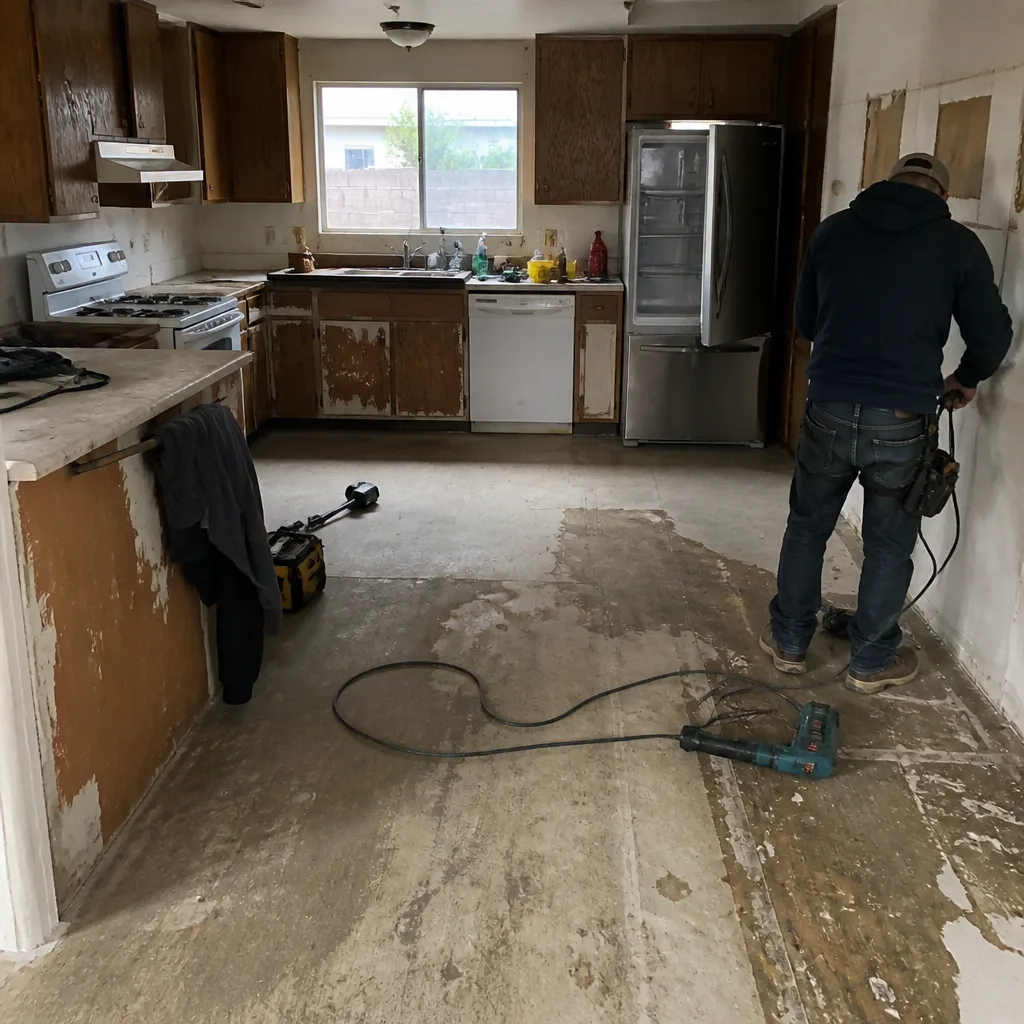 Before
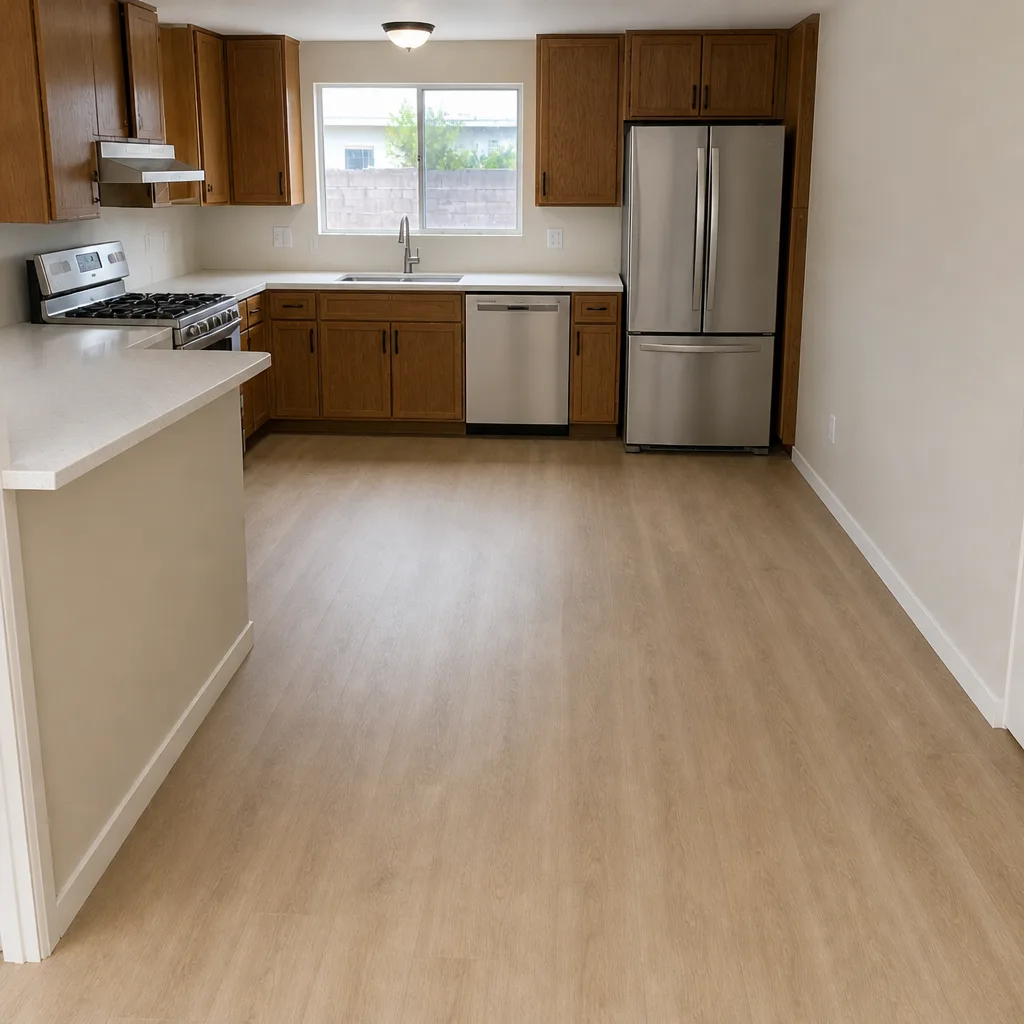 After
Frequently Asked Questions
Often yes. Like-for-like window replacement in Clark County frequently requires a permit because it changes the building envelope and the home’s energy compliance record. Check with the city’s building department for your specific product and installation before you buy, and confirm who’s pulling the permit.
Not recommended for most homeowners. The visible pavers are the easy part. Excavation depth, base compaction with a plate compactor, and edge restraint are what determine whether the patio survives a desert season. DIY installations with undercompacted bases are the top cause of paver failure we see. Call (888) 345-2603 for a free estimate if you want it done to spec.
It can. Most policies don’t exclude DIY as a category, but a claim caused by unpermitted or code-violating work can be reduced or denied, and adjusters will ask about the permit record. Keep all permits and receipts, or have the work done under a licensed contractor.
Undercompacted paver bases and underspecified exterior caulk are the two we see most often. Both fail within the first desert season, and both are more expensive to fix than they would have been to do right the first time.
Yes, and it’s often the smartest split. You can handle material selection, demolition of non-structural finishes, and finish painting. Licensed trades should handle anything inspected: electrical, plumbing, gas, and framing. The permit holder has to stay with the contractor.
It shows up on a title search and it can affect both insurance and resale. The fix usually requires bringing the work up to code, then going through a permit and inspection process. Getting an honest assessment before you list the home is a lot cheaper than discovering the problem during a buyer’s inspection. Call (888) 345-2603 to talk through it. Estimates are free.
The Bottom Line
Winchester homeowners can and should DIY the cosmetic work that adds real value without touching a permit: paint, hardware, landscaping, and freestanding fencing at the allowed height. Everything that gets inspected or alters the envelope, structure, or the utility systems needs to stay with a licensed contractor, because that’s where the permit record, warranty, and insurance implications live. Desert conditions tighten the margin on exterior work, so roof flashing, caulk spec, and paver base are the specific failure points to respect. The partial DIY approach is where most homeowners find their best answer, and every project is worth a written line-item estimate before you decide. We’re here when you want to compare.
Call (888) 345-2603 for a free estimate. We answer 24/7. Fast dispatch from 7am to 7pm, Sunday through Friday. You can also reach us any time by phone for a both-inside-and-out project, from the driveway to the roofline.
Written by the team at Construction Winchester.